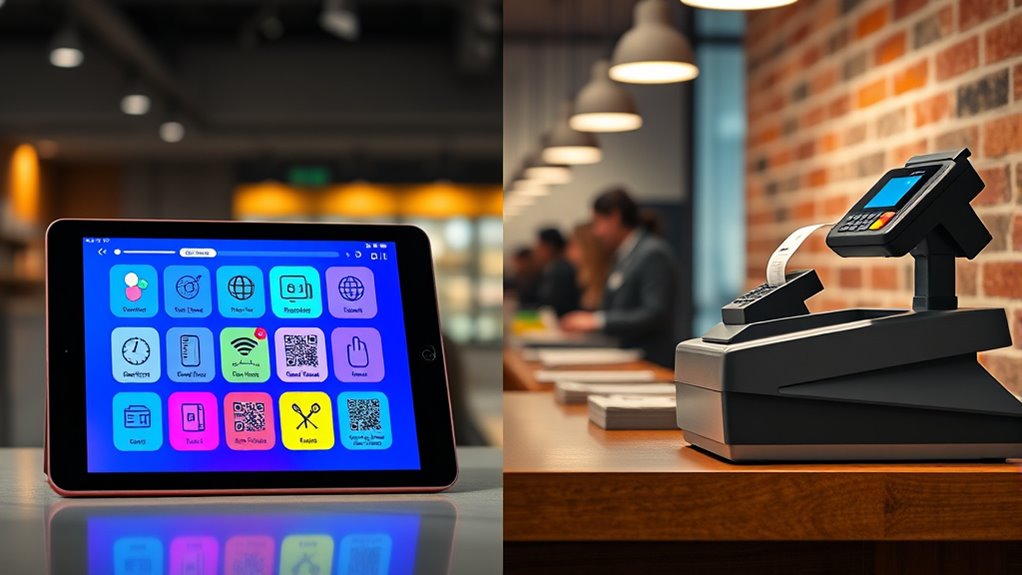

All-in-one payment platforms simplify your business management by integrating online, in-store, and mobile payments, offering faster checkouts and seamless digital wallet support. They include advanced security features to reduce fraud and protect your reputation. Plus, setup is quick, and dashboards give you full transaction visibility, saving administrative time. Traditional merchant accounts often involve separate systems and manual processes, making operations more complex. To discover how these solutions can transform your business, keep exploring the benefits further.
Key Takeaways
- All-in-one platforms offer integrated acceptance across online, in-store, and mobile channels, whereas traditional accounts often require separate solutions.
- Modern platforms include built-in fraud prevention and security features, reducing the need for additional security providers.
- All-in-one systems provide streamlined setup, management, and real-time transaction monitoring, simplifying administrative tasks compared to traditional merchant accounts.
- They feature advanced tools like recurring billing, analytics, and multi-currency support, eliminating third-party integrations needed with traditional accounts.
- Overall, all-in-one platforms deliver faster, safer, and more flexible payment processing, enhancing customer experience and operational efficiency.
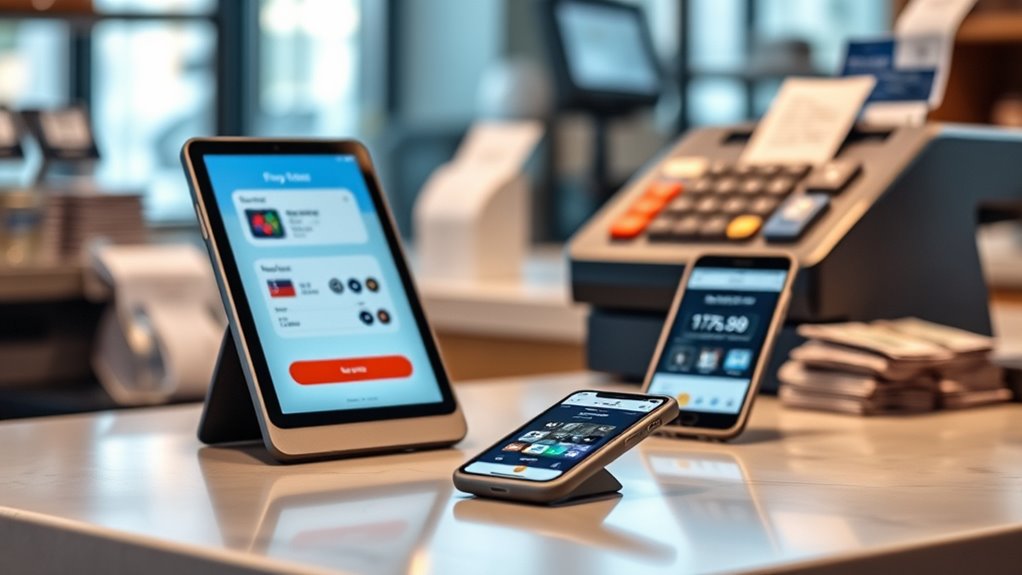
Have you ever wondered how businesses streamline their transactions and improve customer experience? One key way is through all-in-one payment platforms, which have revolutionized the way companies handle payments. Unlike traditional merchant accounts, these platforms offer a unified solution that simplifies accepting payments across multiple channels, including online, in-store, and mobile. With the rise of digital wallets, customers now prefer quick, contactless transactions, and these platforms integrate seamlessly with digital wallets, making it easier for your business to adapt to changing customer preferences. This integration not only enhances convenience but also accelerates the checkout process, leading to higher satisfaction and increased sales.
One standout benefit of all-in-one payment platforms is their robust approach to fraud prevention. Traditional merchant accounts often require separate security measures, which can be complex and inconsistent. In contrast, these modern platforms come equipped with advanced fraud detection tools that monitor transactions in real-time, identify suspicious activity, and block potential threats before they affect your business. This proactive approach helps you minimize losses and protects your reputation. You don’t have to juggle multiple security systems or worry about gaps in your defenses—everything is integrated in one easy-to-manage platform.
All-in-one payment platforms offer advanced fraud detection tools that protect your business in real-time.
Another advantage is the simplified setup and management. Traditional merchant accounts can involve lengthy approval processes, multiple providers, and complex fee structures. All-in-one payment platforms streamline this process by offering a single application, clear pricing, and instant onboarding. Once set up, you can manage all transactions from a centralized dashboard, giving you full visibility into your sales, refunds, and chargebacks. This consolidation reduces administrative overhead and allows you to focus on growing your business instead of managing multiple accounts and systems.
Moreover, these platforms often come with built-in features like recurring billing, multi-currency support, and detailed analytics. These tools help you understand your customer behavior, optimize your marketing strategies, and tailor your offerings accordingly. Compared to traditional merchant accounts, which might require additional integrations or third-party tools, all-in-one platforms provide an ecosystem that’s designed to work together smoothly. This integrated approach ensures that your payment processing is not only secure and efficient but also flexible enough to adapt as your business evolves.
In essence, switching to an all-in-one payment platform can transform your payment experience, making transactions faster, safer, and more customer-friendly. With seamless digital wallet integration and advanced fraud prevention, you’re better equipped to meet modern payment demands and build trust with your customers. It’s a smarter, more streamlined way to handle payments that can set your business apart in today’s competitive landscape.
As an affiliate, we earn on qualifying purchases.
Frequently Asked Questions
How Do All-In-One Platforms Handle International Currency Conversions?
All-in-one platforms handle international currency conversions by automatically applying current conversion rates during transactions. When a customer pays in a foreign currency, they benefit from real-time currency exchange, ensuring transparency. You can usually see the latest conversion rates, and the platform manages the currency exchange process smoothly. This simplifies international sales, reduces manual effort, and helps you avoid hidden fees, making global transactions more straightforward and cost-effective.
What Security Measures Are Standard in All-In-One Payment Solutions?
You benefit from standard security measures in all-in-one payment solutions, including robust data encryption that safeguards your customers’ sensitive information during transactions. Fraud prevention tools are also integrated, actively monitoring and detecting suspicious activities to protect your business. These measures guarantee secure, seamless payments, giving you peace of mind and building trust with your clients. Staying compliant with industry standards like PCI DSS further enhances your platform’s security.
Can All-In-One Platforms Integrate With Existing Accounting Software?
Yes, all-in-one platforms can often integrate with your existing accounting software, but watch out for potential integration challenges. Compatibility issues may arise, making it tricky to sync data seamlessly. You might face software compatibility hurdles, requiring extra effort or custom solutions. However, many providers now prioritize smooth integrations, so with the right platform, you can streamline your financial management without missing a beat.
What Are the Typical Transaction Fees for All-In-One Payment Platforms?
You’ll find that transaction fee structures for all-in-one payment platforms typically range from 2% to 3% per transaction, plus a small fixed fee, though exact costs vary. Most platforms prioritize fee transparency, clearly outlining charges upfront so you know what to expect. Some may offer flat-rate options, while others charge based on transaction volume or card type, making it essential to compare fee structures carefully before choosing a platform.
How Do Customer Support Services Compare Between Platforms?
You’ll find that customer support varies between platforms, with all-in-one payment platforms often offering more integrated customer service and technical support tailored to their ecosystem. They typically provide 24/7 support via chat or phone, making it easier to resolve issues quickly. Traditional merchant accounts may have more limited support channels, but they often offer personalized service through dedicated account managers. Your choice depends on your need for immediate assistance and support quality.
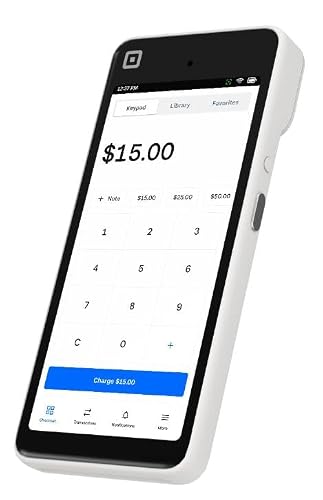
Square Handheld Credit Card Machine | Authorized Square Reseller | Includes SwyftPAY Merchant Account Setup & Payment Processing Consultation | POS Terminal for Retail & Service Businesses
- POS Deployment Support: Expert onboarding from industry professionals
- Business-Friendly Design: Ideal for retail, restaurant, and service businesses
- Portable Payment Device: Accepts card, NFC, and mobile wallet payments
As an affiliate, we earn on qualifying purchases.
As an affiliate, we earn on qualifying purchases.
Conclusion
Choosing between all-in-one payment platforms and traditional merchant accounts is like picking between a sleek, modern spaceship and a trusty old train. The platform offers streamlined efficiency and flexibility, making your business journey smoother and faster. Don’t let complexity weigh you down—embrace the future of payments and soar above the competition. With the right choice, you’ll navigate the financial cosmos with confidence, turning every transaction into a smooth, effortless voyage.

Keep Your Merchant Account Safe: The Payment Processing Guide to Reducing Chargebacks, Preventing Fraud, and Protecting Your MIDs
As an affiliate, we earn on qualifying purchases.
As an affiliate, we earn on qualifying purchases.
As an affiliate, we earn on qualifying purchases.