
To lower your risk profile and get better processing rates, focus on improving your credit score by paying bills on time, reducing outstanding debt, especially high-interest ones, and avoiding unnecessary credit inquiries. Regularly review your credit reports for errors and keep your credit utilization below 30%. Additionally, pay down existing debt, spread out payments, and avoid taking on new debt unless necessary. Keep practicing responsible credit habits to see long-term improvements. Keep exploring for more ways to strengthen your financial profile.
Key Takeaways
- Consistently pay bills on time to demonstrate financial discipline.
- Reduce outstanding debts, especially high-interest credit cards and loans.
- Maintain a low credit utilization ratio below 30%.
- Avoid applying for multiple new credit accounts simultaneously.
- Regularly monitor and dispute errors on your credit report to ensure accuracy.

Lowering your risk profile is essential for building financial stability and peace of mind. When lenders evaluate your profile, they look closely at your credit score and debt to income ratio, as these indicators reveal your ability to manage debt responsibly. Improving these metrics can markedly reduce the perception of risk and help you secure better processing rates on loans or credit products. Your credit score, which reflects your history of borrowing and repayment habits, plays a pivotal role. By paying bills on time, reducing outstanding debt, and avoiding new unnecessary credit inquiries, you can boost your score over time. A higher credit score signals reliability and financial discipline, making you a more attractive borrower.
Improving your credit score and debt-to-income ratio enhances financial stability and loan approval chances.
Simultaneously, focusing on your debt to income ratio is vital. This ratio compares your monthly debt payments to your gross monthly income and demonstrates how comfortably you can handle additional debt. To lower this ratio, start by paying down existing debts, especially high-interest credit cards and loans. Making consistent, extra payments helps reduce your overall debt load, which in turn lowers your ratio. You should also avoid taking on new debt unless absolutely necessary, as increasing your debt load can negatively impact your ratio and raise your perceived risk. Increasing your income can also help, but managing your debt levels is typically the most effective approach.
Another practical step is to review and dispute any inaccuracies on your credit report. Errors, such as incorrect account statuses or outdated information, can unfairly lower your credit score. Regularly monitoring your report ensures you can correct mistakes promptly, helping to maintain a healthy credit profile. Additionally, keeping your credit utilization ratio low—preferably below 30%—demonstrates responsible credit management and positively influences your credit score. This means spreading out your balances or paying off debts more frequently to avoid high utilization on single accounts.
Furthermore, engaging in responsible borrowing practices such as choosing appropriate credit products and maintaining a diverse credit mix can enhance your profile. Consistency is key when trying to lower your risk profile. Making on-time payments, reducing debt, and managing your credit responsibly over months or even years will gradually improve your profile. It’s also wise to avoid applying for multiple credit lines at once, as numerous recent inquiries can temporarily lower your score. Focus on building a stable financial foundation, and over time, these efforts will reflect positively on your credit score and debt to income ratio. With patience and discipline, you’ll position yourself better for favorable processing rates, helping you access credit on more advantageous terms and ultimately achieve greater financial stability.

Merchant Accounts; Expand Your Business With Credit Card Processing And Learn How to Protect Your Customer, Monitor Accounts, And Find The Best Service Rates
As an affiliate, we earn on qualifying purchases.
As an affiliate, we earn on qualifying purchases.
Frequently Asked Questions
How Long Does It Take to See Results After Lowering My Risk Profile?
You can typically see results from credit improvement efforts within one to three months after lowering your risk profile. Lenders conduct risk assessments regularly, so as your credit score improves, your processing rates may improve relatively quickly. Keep in mind that consistent responsible credit behavior and timely payments boost your credit profile, leading to better rates over time. Patience and persistence are key to seeing sustained improvements.
Are There Any Negative Consequences of Lowering My Risk Profile?
Every coin has two sides, and lowering your risk profile can have some negatives. You might see your credit score dip temporarily, which could impact your future financial stability. If you lower your risk profile too much, you may also limit your access to certain credit options or better rates. Always weigh these potential consequences to guarantee your financial health stays strong while improving your processing rates.
Can I Lower My Risk Profile if I Have Poor Credit History?
Yes, you can lower your risk profile even with poor credit history. Start by focusing on credit repair to improve your credit score, and seek financial counseling to manage your finances better. These steps show lenders you’re committed to responsible borrowing, which can help you qualify for better processing rates. Keep making timely payments and reducing debt, and over time, your risk profile will improve.
What Specific Actions Can I Take to Improve My Processing Rates Quickly?
Imagine a small business owner struggling with high processing rates due to a low credit score. To improve quickly, focus on debt reduction—pay down outstanding balances and settle overdue accounts. Regularly monitor your credit report for errors and make timely payments. These actions boost your credit score, lowering your risk profile, and help secure better processing rates faster. Consistency is key for lasting improvement.
Is Professional Help Necessary to Effectively Lower My Risk Profile?
You don’t necessarily need professional help to effectively lower your risk profile. Conducting a thorough risk assessment and focusing on credit improvement strategies can make a significant difference. By regularly reviewing your credit report, paying bills on time, and reducing debt, you actively lower your risk. While professionals can offer guidance, taking these proactive steps yourself can lead to better processing rates and a healthier financial profile.
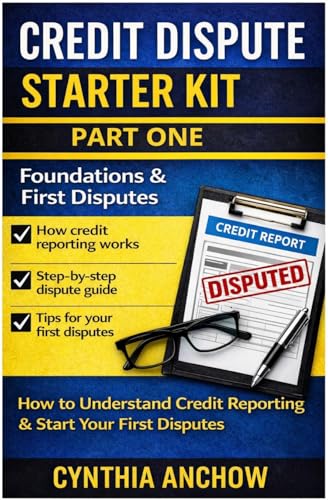
Credit Dispute Starter Kit: A Step-by-Step Guide to Disputing Errors, Collections, and Inaccurate Credit Reporting
As an affiliate, we earn on qualifying purchases.
As an affiliate, we earn on qualifying purchases.
Conclusion
By taking proactive steps to lower your risk profile, you’re steering your financial ship away from stormy waters and into calmer seas. Keep your credit in check, reduce debt, and maintain steady income to make yourself more attractive to lenders. Remember, a lower risk profile isn’t just a number—it’s the key that grants better processing rates. With consistent effort, you can turn the tide in your favor and sail toward smarter, more affordable financial opportunities.

SMART Debt Reduction Planner: A 12-Month Step-by-Step Plan to Pay Off Debt, Build Savings, and Take Control of Your Money
As an affiliate, we earn on qualifying purchases.
As an affiliate, we earn on qualifying purchases.

1Pc 8 Digit Silver and Black Ultra Thin Solar Power Calculator with Touch Screen Credit Card Design Portable for Business School Basic Office Calculators,Mini Calculator
- Design: Credit card-sized ultra-thin calculator
- Power Source: Solar-powered, no batteries needed
- Interface: Responsive touch screen
As an affiliate, we earn on qualifying purchases.
As an affiliate, we earn on qualifying purchases.