If you’re choosing between invoicing tools and a full merchant account, consider what your business needs most. Invoicing tools automate billing and send recurring invoices, making collection easier, but they don’t process payments directly. A merchant account enables you to accept instant payments online or in person, supporting immediate cash flow. Depending on whether you want automation or quick transactions, your choice varies—stay tuned to discover which option suits you best.
Key Takeaways
- Invoicing tools automate billing and recurring invoices but lack full payment processing capabilities.
- Merchant accounts enable immediate, real-time payment acceptance for online and in-person sales.
- Combining invoicing tools with integrated payment gateways offers a seamless online payment experience.
- Choose invoicing tools if automation and recurring billing are priorities; opt for merchant accounts for instant transactions.
- Small businesses needing versatile, immediate payment options should invest in a full merchant account.

When choosing how to handle your payments, understanding the difference between invoicing tools and merchant accounts is essential. Both options serve distinct purposes, and knowing which suits your business needs can streamline your cash flow and improve customer experience. Invoicing tools often include features like invoicing automation, which allows you to generate, send, and manage invoices with minimal manual effort. These tools typically integrate with payment gateways, enabling your customers to pay directly through a secure online portal. This makes the invoicing process faster and more efficient, reducing the chances of late payments and errors. If your business primarily bill clients periodically or on a subscription basis, invoicing automation simplifies your workflow by automatically sending recurring invoices and reminders, freeing up your time for other tasks.
On the other hand, a full merchant account offers a broader range of payment processing capabilities. It acts as a merchant’s bank account, allowing you to accept various forms of payments—credit cards, debit cards, ACH transfers, and sometimes even mobile wallets. Unlike standalone invoicing tools, merchant accounts are designed to handle immediate transactions, making them ideal if you need to process in-person payments or online sales directly through your website. They often include payment gateways, which act as secure bridges between your website and the payment processor, ensuring transactions are completed smoothly and securely. If your business involves frequent, high-volume sales, a merchant account grants you the flexibility to accept multiple payment methods and manage transactions in real-time.
While invoicing tools excel at automating billing routines and simplifying receivables management, they typically don’t provide full payment processing services on their own. Instead, they rely on integration with payment gateways to facilitate online payments. Merchant accounts, however, give you the ability to accept payments immediately, providing a seamless checkout experience for your customers. If you choose an invoicing tool with integrated payment gateways, you can offer your clients an easy way to settle bills online, speeding up your revenue cycle. Conversely, if you need immediate, versatile payment acceptance capabilities, a merchant account becomes a necessary investment.
Smart Business Pack
15 software titles essential for every business
As an affiliate, we earn on qualifying purchases.
As an affiliate, we earn on qualifying purchases.
Frequently Asked Questions
Can Invoicing Tools Accept International Payments?
Yes, invoicing tools can accept international payments, including international currency transactions and cross-border payments. Many modern invoicing platforms integrate with payment gateways that support multiple currencies, making it easy for you to bill clients worldwide. However, check if the tool charges extra fees for international transactions or currency conversion. This way, you guarantee smooth, cost-effective international payments without needing a full merchant account.
How Secure Are Merchant Accounts for Online Transactions?
Did you know that over 80% of online transactions involve some form of security concern? Merchant accounts are generally secure for online payments, thanks to advanced encryption and fraud prevention measures. They’re designed to protect your business and customers from fraud. While no system is completely risk-free, using a reputable merchant account minimizes your security concerns and helps prevent fraud effectively, giving you peace of mind during every transaction.
Do Invoicing Tools Integrate With Accounting Software?
Yes, invoicing tools often integrate seamlessly with accounting software, enabling you to streamline payment automation and improve invoice customization. This integration helps you track payments, manage financial data, and reduce manual entry errors. You can automate recurring payments, send personalized invoices, and sync your financial records effortlessly, saving you time and ensuring accuracy. Choosing an invoicing tool with strong integration capabilities supports efficient financial management tailored to your small business needs.
What Are the Ongoing Costs of a Merchant Account?
Sure, you’ll love the surprise of ongoing merchant account costs. Expect transaction fees for every sale and monthly charges that sneak up on you. While it sounds straightforward, these costs can add up faster than you think, eating into your profits. So, be prepared to budget for these recurring expenses, which are part of the price you pay for the convenience of accepting card payments directly through your merchant account.
Can Small Businesses Upgrade From Invoicing Tools to Merchant Accounts?
Yes, you can upgrade from invoicing tools to a merchant account as your business grows. This upgrade offers greater payment flexibility, allowing you to accept multiple payment methods easily. It also improves customer management by providing integrated processing and reporting features. Moving is straightforward—most providers offer support to help you set up. Upgrading helps streamline your sales process, boost efficiency, and enhance customer satisfaction.
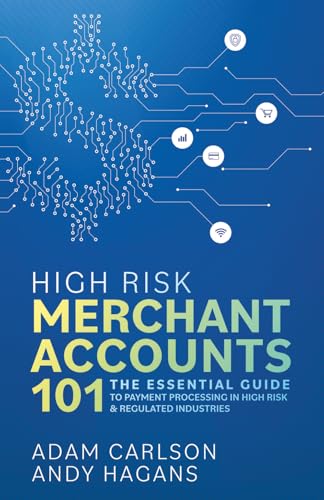
High Risk Merchant Accounts 101: The Essential Guide to Payment Processing in High Risk & Regulated Industries
As an affiliate, we earn on qualifying purchases.
As an affiliate, we earn on qualifying purchases.
Conclusion
Choosing between invoicing tools and a full merchant account depends on your business needs. For example, if you run a freelance graphic design business, an invoicing tool might suffice. But if you’re expanding and regularly processing high-volume payments, a merchant account could save you time and fees. Assess your sales volume and growth plans. Making the right choice now guarantees smoother transactions and happier clients—so pick what fits your business today and grows with you tomorrow.

Payments for Entrepreneurs: Navigating Global Gateways, Fees & UX for Growing Businesses (The Payments Playbook)
As an affiliate, we earn on qualifying purchases.
As an affiliate, we earn on qualifying purchases.
recurring invoicing tool
As an affiliate, we earn on qualifying purchases.
As an affiliate, we earn on qualifying purchases.