
To implement Strong Customer Authentication (SCA) in the U.S., you should adopt multi-factor security measures that combine something the customer knows, has, and is—like passwords, mobile devices, and biometrics. Incorporate biometric verification such as fingerprint or facial recognition to enhance security while providing seamless access. Confirm your system uses encryption and clear privacy policies. Stay updated on emerging technologies and regulations, and by continuing, you’ll discover more ways to strengthen your authentication strategy effectively.

Get smart everyday buys delivered free — and shop member deals
- Fast, free delivery on millions of items
- Access to Prime Big Deal Days deals on October 6–7
- Prime Video, Amazon Music and more included
Key Takeaways
- Assess your existing authentication infrastructure and select biometric solutions that are user-friendly and reliable.
- Ensure compliance with PSD2-like regulations by implementing multi factor authentication combining knowledge, possession, and inherence factors.
- Integrate biometric verification seamlessly into your platforms with secure encryption and protected biometric data storage.
- Educate customers on the security benefits, privacy measures, and data handling policies to build trust and encourage adoption.
- Continuously monitor, test, and update your SCA processes to address emerging threats and maintain regulatory compliance.
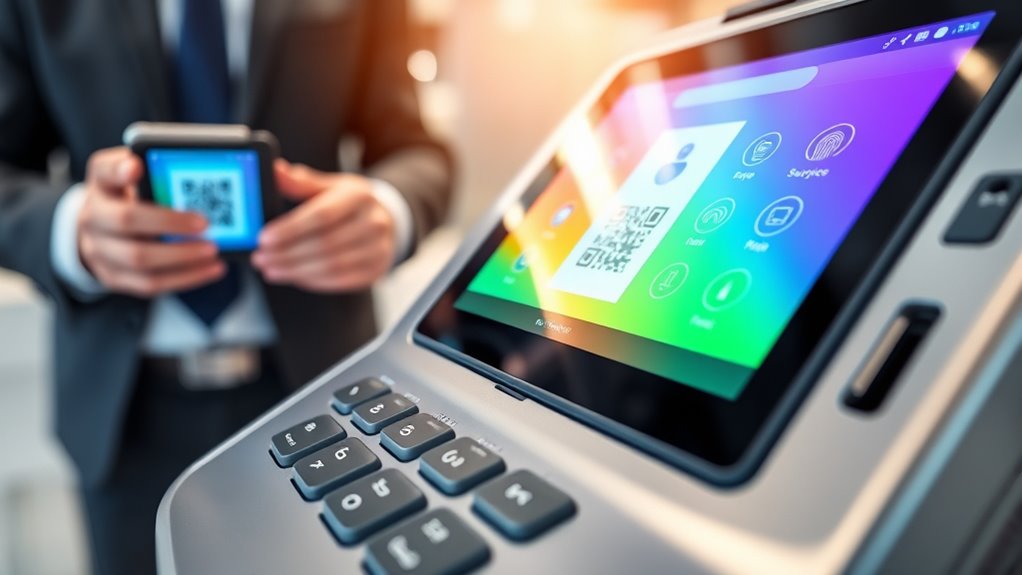
Implementing Strong Customer Authentication (SCA) is essential for protecting both your business and your customers from fraud. In today’s digital landscape, fraudsters constantly develop new tactics to exploit weak security measures. To stay ahead, you need to adopt robust authentication methods, with biometric verification playing a critical role. Biometric verification uses unique physical characteristics—like fingerprints, facial recognition, or iris scans—to confirm a customer’s identity. This approach not only enhances security but also improves user experience by allowing quick, seamless access. When you incorporate biometric verification into your authentication process, you add a layer of multi factor security that’s difficult for criminals to replicate or bypass.
Multi factor security combines multiple elements of authentication—something you know (password), something you have (a mobile device), and something you are (biometrics). This layered approach makes it *considerably* harder for unauthorized individuals to gain access, even if they compromise one factor. For example, a customer logging into their account might enter a password, then verify their identity through a fingerprint scan or facial recognition. By requiring two or more of these factors, you ensure that even if a password is stolen, the attacker cannot access the account without the biometric verification. This method aligns perfectly with SCA requirements, which mandate multi factor authentication for online payments and account access, especially under regulations like PSD2 in Europe. While the U.S. doesn’t have a uniform regulation similar to PSD2, adopting these practices demonstrates a commitment to security and helps prevent fraud and chargebacks.
To implement biometric verification and multi factor security effectively, first assess your current infrastructure. Choose biometric solutions that are user-friendly, reliable, and compliant with industry standards. You’ll also want to *guarantee* your authentication system integrates smoothly with your existing platforms and provides a secure way to store biometric data—preferably using encryption and secure storage solutions to prevent breaches. Educate your customers on the benefits and safety of biometric verification to foster trust and encourage adoption. Clearly communicate how their biometric data will be used, stored, and protected to alleviate privacy concerns. Incorporating advanced security features such as biometric verification can further strengthen your authentication process.
Furthermore, continuously monitor and update your authentication protocols. Fraud tactics evolve, and so should your security measures. Regularly test your systems for vulnerabilities, stay informed about new biometric technologies, and adapt your multi factor strategies accordingly. Remember, implementing strong customer authentication isn’t a one-time effort; it’s an ongoing process that demands vigilance and adaptability. By prioritizing biometric verification within a multi factor security framework, you not only comply with emerging regulations but also build a safer environment that protects your customers and your reputation from fraud risks.
As an affiliate, we earn on qualifying purchases.
Frequently Asked Questions
How Does SCA Impact Mobile Payment Transactions?
You’ll notice that SCA enhances mobile payment transactions by boosting fraud prevention and ensuring customer verification. It requires you to authenticate your identity through methods like biometrics or one-time passwords, making transactions more secure. While this may add a step, it’s designed to protect you from fraud. Overall, SCA strengthens trust in mobile payments, giving you confidence that your transactions are verified and safeguarded against unauthorized access.
Are There Exemptions Available for Certain Transactions?
Like a master key opening doors, transaction exemptions can ease your SCA process. Certain transactions, such as low-value or recurring payments, qualify for exemptions, reducing merchant requirements. You should evaluate these options carefully, as they can streamline customer experience and compliance. Always stay updated on evolving regulations, ensuring you correctly apply exemptions so your transactions remain smooth, secure, and compliant without unnecessary hurdles.
What Are the Penalties for Non-Compliance With SCA?
If you don’t comply with SCA, you risk regulatory penalties that could include hefty fines or sanctions, impacting your business’s reputation. Non-compliance also leads to increased compliance costs, as you’ll need to address violations and implement corrective measures. Staying compliant helps you avoid these penalties, ensures smoother transactions, and maintains customer trust. It’s vital to understand and adhere to SCA requirements to protect your business from unnecessary financial and legal risks.
How Can Small Businesses Implement SCA Effectively?
You can implement SCA effectively by streamlining your digital onboarding process, making it quick and user-friendly. Educate your customers about SCA benefits and procedures, turning compliance into a trust-building opportunity. Use clear instructions and simple steps to prevent frustration, ensuring they understand why security matters. By actively engaging your customers and simplifying their experience, you’ll create a seamless, secure environment that boosts confidence and reduces fraud risks.
What Role Does Biometric Authentication Play in SCA?
Biometric authentication plays a vital role in SCA by offering a secure, convenient authentication method through biometric security, such as fingerprint or facial recognition. You can incorporate biometric authentication methods to verify your customers’ identities quickly and accurately, reducing fraud risks. By integrating biometric security, you enhance overall security, streamline the user experience, and guarantee compliance with SCA requirements, making transactions safer and more efficient for your business.
As an affiliate, we earn on qualifying purchases.
Conclusion
By embracing Strong Customer Authentication, you’re not just adding a layer of security—you’re revolutionizing your entire approach to fraud prevention. Think of it as transforming your business into an impenetrable fortress, where even the craftiest hackers stand no chance. Implementing SCA isn’t just a step forward; it’s the ultimate shield that elevates your reputation overnight, making your customers feel safer than ever before. Get it right, and watch your trust and security soar to legendary heights.
multi-factor authentication hardware
As an affiliate, we earn on qualifying purchases.
As an affiliate, we earn on qualifying purchases.
biometric data encryption software
As an affiliate, we earn on qualifying purchases.
As an affiliate, we earn on qualifying purchases.
Fall Picks
fall essentials
As an affiliate, we earn on qualifying purchases.