

The best beginner investing books explain how to start without making investing seem more complicated than it is. My best overall pick is The Bogleheads’ Guide to Investing for its practical, long-term framework; Investing for Dummies is a broad reference, while The Psychology of Money focuses on the behavior behind financial decisions. The main tradeoff is between a quick, accessible introduction and a deeper guide to portfolio choices, risk, and investor habits. Some books also focus on teens, small starting sums, or active trading rather than long-term investing. Read on for the full comparison and help matching a book to your experience and goals.

Get smart everyday buys delivered free with Prime
- Fast, free delivery on millions of items
- Prime Video, Amazon Music and more included
- Member-only deals all year
Key Takeaways
- The Bogleheads’ Guide to Investing earns the overall lead by emphasizing a usable long-term plan, while The Little Book of Common Sense Investing makes a narrower case for low-cost index investing.
- Investing for Dummies and Investing 101 serve readers who want broad introductions; a shorter, more approachable format may be easier to start, while a wider survey can answer more topic questions.
- The teen-focused titles address starting young, but their audience-specific framing may feel less relevant to adult readers.
- The Psychology of Money adds behavioral insight rather than a step-by-step portfolio plan, making it a useful complement rather than a standalone technical manual.
- How to Day Trade for a Living is the clearest outlier: its active-trading focus differs from the long-term, diversified approach emphasized by several other picks.


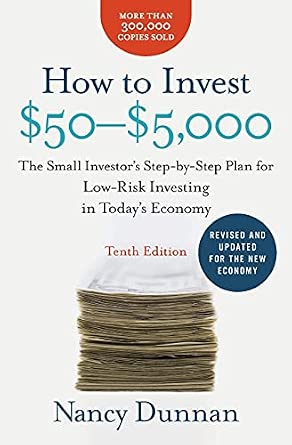


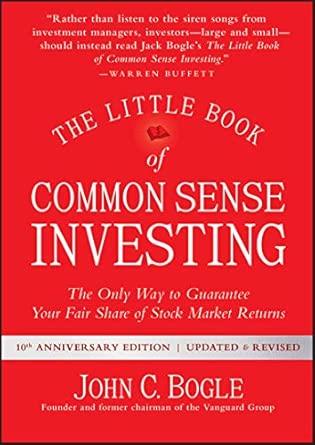


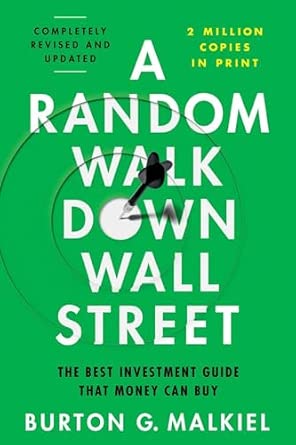
| beginner investing book | ASIN | Subject |
|---|---|---|
| A Beginner’s Guide to the Stoc | 1099617200 | Stock market investing |
| A Teenager’s Guide to Investin | B08PXJZG2K | Stock market investing |
| Investing 101 for Teens and Yo | B0FK33Z563 | Investing |
| Investing QuickStart Guide: A | 1636100287 | Stock market investing |
| Investing 101: From Stocks and | 1440595135 | Investing fundamentals |
| The Bogleheads’ Guide to Inves | 1119847672 | The Bogleheads’ approach to investing |
| Investing for Beginners Made S | B0GJZJVQHQ | — |
| How to Invest $50–$5,000 | 0061935166 | — |
| How to Day Trade for a Living: | 1535585951 | — |
| Investing for Dummies | 1394286732 | — |
| The Little Book of Common Sens | 1119404509 | Common-sense investing |
| The Psychology of Money: Timel | 0857197681 | Money and personal perspectives |
| Investing for Absolute Beginne | B0F5NW9BXD | — |
| The Simple Path to Wealth: You | B0DQJMVM59 | Financial independence |
| A Random Walk Down Wall Street | 1324035439 | Investing |
More Details on Our Top Picks
A Beginner’s Guide to the Stock Market: Everything You Need to Start Making Money Today
For a reader whose main goal is to get oriented to the stock market, A Beginner’s Guide to the Stock Market is a direct starting point. Its beginner focus and stock-market subject make it a closer fit for someone seeking an entry-level introduction than Investing 101, which is described as covering a broader range of investment types and portfolio basics. The tradeoff is that the available product information offers no detail about its specific lessons, examples, or approach, so I can’t judge how thoroughly it explains the steps from learning concepts to making investment choices. The title promises practical starting guidance, but readers who want confirmed coverage of bonds, ETFs, or diversification may prefer the more explicitly described Investing 101. This pick makes the most sense when a focused, beginner-oriented stock-market guide is the priority.
Pros:- Explicitly aimed at beginners
- Focuses on getting started with the stock market
- A focused subject may suit readers who do not want a broad investing survey
Cons:- Available product information does not describe its specific lessons or investing approach
- Coverage of other investment types and portfolio diversification is not specified
Best for: New readers who want an introductory guide centered on the stock market rather than a broad survey of investment types
Not ideal for: Readers who need verified coverage of bonds, ETFs, portfolio construction, or specific step-by-step lessons, since those details are not provided
- ASIN:1099617200
- Subject:Stock market investing
- Intended level:Beginner
- Stated focus:Getting started with the stock market
- Format details:Not provided
- Publication details:Not provided
Our verdict“Choose this for a beginner-focused stock-market introduction, but pick Investing 101 if you want documented coverage of multiple investment types and portfolio building.”
A Teenager’s Guide to Investing in the Stock Market: Invest Hard Now, Play Hard Later
A Teenager’s Guide to Investing in the Stock Market stands apart by naming teenagers as its audience, giving it a more age-specific role than Investing 101, which is described for beginners generally. That focus may make it a natural choice for a young reader who wants stock-market investing introduced with their life stage in mind. It is also part of the Invest Now Play Later series, though the available details do not explain the series’ teaching method or the book’s specific topics. That lack of detail makes it harder to compare the depth of its explanations with the broader overview in Investing 101 or to know whether it discusses diversification and risk. I’d choose it for its clearly defined teen audience, not on the assumption that it covers particular strategies the product information does not confirm.
Pros:- Written specifically for teenagers
- Introduces stock-market investing
- Identified as part of the Invest Now Play Later series
Cons:- Available information does not outline the book’s topics or teaching approach
- Coverage of diversification, risk, and other investment types is not specified
Best for: Teenagers looking for an introductory stock-market investing book aimed specifically at their age group
Not ideal for: Adult beginners seeking a broadly described guide to stocks, bonds, ETFs, IPOs, and portfolio building
- ASIN:B08PXJZG2K
- Subject:Stock market investing
- Intended audience:Teenagers
- Series:Invest Now Play Later
- Intended level:Introductory
- Format details:Not provided
Our verdict“Pick this for a teenage beginner who values an age-specific stock-market introduction; choose Investing 101 for a more clearly described range of investing topics.”
Investing 101 for Teens and Young Adults: Start Investing Early, Build Lifelong Wealth, and Avoid Costly Mistakes
This guide combines an age-specific audience with a clearly stated emphasis on starting early, building wealth over time, and avoiding common mistakes. That gives it a different angle from A Teenager’s Guide to Investing in the Stock Market, whose description confirms its teen audience and stock-market focus but supplies no details about long-term habits or pitfalls. For teens and young adults thinking beyond their first stock purchase, the stated focus here offers a useful reason to choose it. Still, the available information does not identify particular investment vehicles, explain its approach to risk, or confirm how practical its advice is. Compared with Investing 101, which explicitly spans stocks, bonds, ETFs, IPOs, and portfolio building, this title’s described strength is its age group and long-term framing rather than breadth of coverage.
Pros:- Aimed at beginner investors who are teens or young adults
- Emphasizes starting early and building wealth over the long term
- Highlights common investing mistakes to avoid
Cons:- Available details do not identify the investment types covered
- The specific methods and examples used to explain mistakes are not provided
Best for: Teenagers and young adults who want an introductory guide centered on starting early, long-term wealth building, and avoiding common mistakes
Not ideal for: Readers who want confirmed explanations of particular investment vehicles or a clearly described diversified-portfolio guide
- ASIN:B0FK33Z563
- Subject:Investing
- Intended audience:Teens and young adults
- Intended level:Beginner
- Stated focus:Starting early and building long-term wealth
- Additional stated topic:Avoiding common investing mistakes
Our verdict“Choose this for a young beginner focused on long-term habits and common pitfalls, while Investing 101 is the clearer fit for a broad investment-vehicle overview.”
Investing QuickStart Guide is positioned as a beginner-friendly introduction to stock-market investing and wealth growth, with a place in the QuickStart Guides series. That series identity gives this title a distinct entry-point role, while A Beginner’s Guide to the Stock Market is also aimed at newcomers but has no series information in the supplied details. The descriptions are similarly broad, however, and neither confirms particular lessons or methods. Compared with Investing 101, this book has a narrower stated emphasis on the stock market and growing wealth; Investing 101 gives clearer assurances about stocks, bonds, ETFs, IPOs, and diversification. I’d choose this QuickStart title when its stock-market focus and series framing appeal, but readers who want confirmed breadth or portfolio guidance have a stronger documented match elsewhere in this lineup.
Pros:- Aimed at beginners
- Focuses on the stock market and growing wealth
- Part of the QuickStart Guides series
Cons:- Available product information gives no detail on its specific lessons or examples
- Coverage of diversified portfolios and investment types beyond the stock market is not specified
Best for: Beginner readers who want a stock-market-focused introduction associated with a named introductory guide series
Not ideal for: Readers who need confirmed detail on specific investment types, portfolio construction, or the book’s teaching methods
- ASIN:1636100287
- Subject:Stock market investing
- Intended level:Beginner
- Stated focus:Stock market and wealth growth
- Series:QuickStart Guides
- Format details:Not provided
Our verdict“Choose this for a beginner-oriented stock-market entry point, but favor Investing 101 if a documented range of investment types and portfolio guidance matters more.”
Investing 101: From Stocks and Bonds to ETFs and IPOs – An Essential Primer on Building a Profitable Portfolio
Of these five titles, Investing 101 has the clearest documented scope: it introduces stocks and bonds, covers ETFs and IPOs, explains investing terminology, and offers practical guidance on building a diversified portfolio. That breadth makes it my strongest all-around pick for a beginner who wants more than a stock-market-only starting point. By comparison, A Beginner’s Guide to the Stock Market and Investing QuickStart Guide are described more narrowly, while the two teen-focused books speak to a more specific audience. The tradeoff is that a broad primer may spend less time on any one strategy, and its beginner-level explanations are not aimed at experienced investors seeking advanced analysis. I’d start here if learning the basic landscape and how portfolio diversification fits together are the main goals.
Pros:- Covers stocks, bonds, ETFs, and IPOs
- Explains investing concepts in beginner-friendly terms
- Includes practical guidance on building a diversified portfolio
- Offers broader stated coverage than the stock-market-focused guides in this batch
Cons:- May be too basic for experienced investors seeking advanced strategies
- Broad coverage may offer less depth on any single investment type
Best for: Adult beginners who want an accessible overview of several investment types and an introduction to diversified portfolio building
Not ideal for: Experienced investors seeking advanced strategies, or readers who want a book tailored specifically to teenagers and young adults
- ASIN:1440595135
- Subject:Investing fundamentals
- Intended level:Beginner
- Investment types:Stocks, bonds, ETFs, and IPOs
- Additional topic:Investing terminology
- Portfolio guidance:Building a diversified portfolio
Our verdict“Choose this as the broadest documented beginner primer in the batch, unless you need an age-specific guide or advanced investing material.”
The Bogleheads’ Guide to Investing
The Bogleheads’ Guide to Investing is the most useful pick here for beginners who want a clear investing philosophy rather than a tour of trading tactics. Its Bogleheads framing points readers toward disciplined, long-term investing; compared with How to Day Trade for a Living, that makes it a better fit for building habits around a portfolio than pursuing frequent trades. The title and supplied description do not confirm specific chapters, formats, or tools, so I would not treat it as a step-by-step account-opening manual. Its main tradeoff is that a defined investing approach may feel less broad to readers who want a survey of many strategies. Choose it for a guiding framework; choose Investing for Dummies if your priority is a broadly titled introduction.
Pros:- Focused on the Bogleheads’ approach to investing.
- Offers a distinct long-term alternative to trading-centered beginner books.
- Its dedicated investing focus gives readers a clearer identity than a general title alone.
- Can suit readers who want an investing framework rather than an emphasis on quick tactics.
Cons:- The supplied product information does not spell out its specific chapters or methods.
- May be less suited to readers looking for a broad survey of investing styles.
- No format or edition details were provided.
Best for: New investors seeking a long-term investing philosophy and a disciplined alternative to frequent trading.
Not ideal for: Readers who want confirmed, detailed instructions for opening an account, selecting specific investments, or day trading.
- Title:The Bogleheads’ Guide to Investing
- ASIN:1119847672
- Product type:Investing guide
- Subject:The Bogleheads’ approach to investing
- Intended audience:Investors interested in the Bogleheads’ approach
- Format:Not provided
Our verdict“Choose this for a beginner-friendly entry point centered on the Bogleheads’ investing approach, not a verified how-to manual for trading or account setup.”
Investing for Beginners Made Simple: A Step-by-Step Guide to the Stock Market, ETF Investing, and Building Wealth
Investing for Beginners Made Simple is aimed squarely at readers starting with little money, and its stated mix of stock market and ETF investing makes it more directly beginner-oriented than The Bogleheads’ Guide to Investing, whose supplied description focuses on an investing approach rather than a step-by-step promise. The title also foregrounds building wealth, giving a new investor a practical-sounding starting point. The tradeoff is that the available information offers no chapter outline, examples, or detail about how it explains these topics, so I cannot judge how deeply it develops them. It is a plausible first read for someone who wants a basic route into stocks and ETFs, but readers seeking a confirmed low-risk plan may prefer How to Invest $50–$5,000.
Pros:- Explicitly aimed at beginner investors.
- Covers both stock market investing and ETFs according to the supplied description.
- Addresses building wealth with little money.
- Presented as part of The Wealth Series.
Cons:- No detailed product description or chapter information was provided.
- The available data does not clarify the depth of its investment guidance.
- No edition or other format details beyond the book format were supplied.
Best for: First-time investors with limited starting funds who want a beginner-oriented introduction to stocks, ETFs, and wealth building.
Not ideal for: Readers who need a detailed, verifiable curriculum or a specifically low-risk plan, since the supplied description does not establish either.
- Title:Investing for Beginners Made Simple: A Step-by-Step Guide to the Stock Market, ETF Investing, and Building Wealth
- ASIN:B0GJZJVQHQ
- Format:Book
- Series:The Wealth Series
- Stated subject:Stock market investing
- Stated subject:ETF investing
- Stated audience:Beginners starting with little money
Our verdict“Pick this if you want a beginner-targeted introduction to stocks and ETFs and are comfortable with limited detail about the book’s contents.”
How to Invest $50–$5,000, 10th Edition: The Small Investor’s Step-by-Step Plan for Low-Risk Investing in Today’s Economy
How to Invest $50–$5,000 stands apart by naming the small-investor problem directly: its stated plan is for amounts from $50 to $5,000, with a focus on low-risk investing. That makes it more specific than Investing for Beginners Made Simple, which covers stocks, ETFs, and wealth building but is not described as a low-risk plan for a defined amount. The step-by-step framing may appeal to readers who want practical direction without beginning with a large sum. The tradeoff is its deliberately narrow scope: a reader seeking broad coverage of trading tools or investing philosophies may find The Bogleheads’ Guide to Investing a closer match. The “today’s economy” framing also makes the edition worth checking against current circumstances before relying on dated guidance.
Pros:- Specifically addresses investing amounts from $50 to $5,000.
- Described as a step-by-step plan for small investors.
- Emphasizes low-risk investing.
- Identifies itself as the 10th edition.
Cons:- Its small-investor and low-risk focus may not suit readers seeking broader strategy coverage.
- The supplied data does not describe specific investments or examples in the book.
- Readers should verify how well the economy-focused guidance fits current conditions.
Best for: New investors working with a small initial amount who want a step-by-step guide framed around low-risk investing.
Not ideal for: Readers seeking an expansive survey of investing approaches, active trading instruction, or guidance confirmed to reflect current market conditions.
- Title:How to Invest $50–$5,000
- ASIN:0061935166
- Edition:10th
- Stated audience:Small investors
- Investment amount range:$50–$5,000
- Stated approach:Step-by-step plan
- Stated focus:Low-risk investing
- Economic framing:Today’s economy
Our verdict“Choose this if you want beginner guidance framed around a small starting sum and low-risk investing, rather than a broad overview or trading manual.”
How to Day Trade for a Living: A Beginner’s Guide to Trading Tools and Tactics, Money Management, Discipline, and Trading Psychology
How to Day Trade for a Living is the specialist option in this group: its stated focus is day trading, including tools and tactics, money management, discipline, and trading psychology. That makes it a very different starting point from The Bogleheads’ Guide to Investing, which centers on an investing approach rather than active trading. For a beginner who is specifically investigating day trading, the inclusion of money management and psychology broadens the focus beyond tactics alone. The tradeoff is just as clear: this is not the natural first choice for someone seeking a general, long-term investing foundation. The supplied information also gives no detail about particular tools or the depth of its guidance, so readers wanting broad stock and ETF basics may prefer Investing for Beginners Made Simple.
Pros:- Explicitly aimed at beginner day traders.
- Covers trading tools and tactics according to the supplied description.
- Includes money management as a stated topic.
- Addresses discipline and trading psychology, not only trading tactics.
Cons:- Its day-trading focus is narrower than general beginner investing books.
- No further details were supplied about the tools or tactics covered.
- The supplied data does not establish its format or edition.
Best for: New traders specifically seeking an introduction to day-trading tools, tactics, money management, discipline, and trading psychology.
Not ideal for: Beginners whose goal is long-term investing fundamentals, ETF basics, or a low-risk plan rather than active trading.
- Title:How to Day Trade for a Living: A Beginner’s Guide to Trading Tools and Tactics, Money Management, Discipline, and Trading Psychology
- ASIN:1535585951
- Stated audience:Beginner day traders
- Stated subject:Day trading
- Stated topic:Trading tools and tactics
- Stated topic:Money management
- Stated topic:Discipline and trading psychology
Our verdict“Choose this only if day trading is your specific learning goal; for general long-term investing, start with a broader investing guide instead.”
Investing for Dummies
Investing for Dummies has the broadest-sounding brief among these five titles, making it a sensible candidate for a reader who wants an introductory book without committing to a particular strategy. Compared with How to Invest $50–$5,000, it is not described as focusing on small sums or low-risk investing; compared with How to Day Trade for a Living, it does not signal a trading-only focus. That general positioning is its potential advantage, but the supplied data provides only the title, so I cannot confirm its topics, structure, edition, or level of detail. Readers who want a clearly stated subject may find the Bogleheads approach or the small-investor guide easier to match to a specific goal. This is a broad-title option, not a verified substitute for either.
Pros:- The title positions it as an introductory investing book.
- Its general framing may suit readers who have not chosen a specific investing focus.
- Does not identify itself as exclusively about day trading.
- Offers a potential broad starting point alongside more specialized titles in this roundup.
Cons:- No detailed product description or topic list was provided.
- The supplied data does not confirm its depth or organization.
- No edition or format information was provided.
Best for: Beginners seeking a general investing introduction who do not yet know whether they want a focused approach, small-investor plan, or trading guide.
Not ideal for: Readers who need confirmed coverage of a specific topic, such as ETFs, low-risk investing, or day-trading tactics.
- Title:Investing for Dummies
- ASIN:1394286732
- Product type:Book
- Stated subject:Investing
- Stated positioning:Introductory title
- Format:Not provided
Our verdict“Consider this if you want a general investing title, but choose a more specifically described book when you need guidance on a defined topic.”
The Little Book of Common Sense Investing: The Only Way to Guarantee Your Fair Share of Stock Market Returns
I’d choose this when a beginner wants a clear argument for keeping investing simple rather than learning to select individual stocks. Its focus on common-sense investing and a fair share of market returns gives it a narrower, more defined purpose than A Random Walk Down Wall Street, which covers investing and financial markets more broadly. That focus can help readers grasp why a straightforward approach appeals, but it may leave less room for the wider survey of market topics a curious newcomer wants. Compared with Investing for Absolute Beginners, this book is better suited to someone ready to think about an investing philosophy than someone seeking a clearly labeled starting guide. The available information does not specify its chapter structure or level of detail, so readers wanting a step-by-step plan should check whether its contents match their needs.
Pros:- A focused theme gives beginners a clear investing principle to evaluate.
- Connects common-sense investing with the goal of receiving a fair share of market returns.
- Offers a more targeted starting point than broad guides such as A Random Walk Down Wall Street.
Cons:- The provided description does not confirm how much practical, step-by-step guidance it includes.
- Its focused approach may not satisfy readers seeking a wide introduction to financial markets.
- No format or edition details are available in the product data.
Best for: New investors who want to understand the case for a simple, common-sense approach to stock market investing.
Not ideal for: Readers who need a step-by-step introduction to account setup, investment terminology, or a broad survey of markets; those details are not provided here.
- Author:Not provided
- ASIN:1119404509
- Book title:The Little Book of Common Sense Investing
- Subtitle:The Only Way to Guarantee Your Fair Share of Stock Market Returns
- Subject:Common-sense investing
- Stated focus:Earning a fair share of stock market returns
Our verdict“Choose this if you want to examine a simple investing philosophy, not if you need a confirmed step-by-step primer.”
The Psychology of Money: Timeless Lessons on Wealth, Greed, and Happiness
I’d put this on a beginner’s list for the human side of money, not as a how-to manual for choosing investments. Its stated subjects—wealth, greed, and happiness—make it a different kind of entry point from Investing for Absolute Beginners, which is explicitly aimed at introducing investing basics. That contrast matters: this book may help a reader reflect on how beliefs and behavior shape financial decisions, while the beginner guide sounds more directly instructional. It is also less market-centered by description than The Little Book of Common Sense Investing. The tradeoff is that the available product information does not confirm coverage of investment mechanics, portfolio construction, or action steps. I’d pair it with a practical investing primer if the goal is to move from reflection to making informed investment choices.
Pros:- Addresses money-related thinking rather than focusing only on investment products.
- Its themes of wealth, greed, and happiness offer a distinct complement to practical beginner guides.
- Can suit readers interested in the personal choices behind financial decisions.
Cons:- The product description does not establish that it teaches investing fundamentals.
- No specific exercises, action steps, or portfolio guidance are confirmed.
- Readers seeking a direct market overview may prefer A Random Walk Down Wall Street.
Best for: New investors who want to reflect on their attitudes toward wealth and money before or alongside learning investment mechanics.
Not ideal for: Readers looking for explicit instruction on investment accounts, asset selection, or portfolio setup; those topics are not specified in the provided description.
- Author:Not provided
- ASIN:0857197681
- Book title:The Psychology of Money
- Subtitle:Timeless Lessons on Wealth, Greed, and Happiness
- Subject:Money and personal perspectives
- Stated themes:Wealth, greed, and happiness
Our verdict“Pick this for reflection on money and behavior, and pair it with a practical primer if you need investing instructions.”
Investing for Absolute Beginners: Everything You Need to Know to Get Started Today
Among these five, this is the most directly aimed at someone starting from zero: the description promises foundational investing concepts and identifies the book as part of The Investing for Absolute Beginner Series. That makes its intended reader clearer than The Psychology of Money, whose stated focus is attitudes toward wealth, or The Little Book of Common Sense Investing, which centers on an investing philosophy. The limitation is equally clear: no detailed contents are provided, so I can’t judge how thoroughly it explains those foundations or whether its guidance includes concrete steps. Readers who want a broader guide to financial markets might compare it with A Random Walk Down Wall Street; those who mainly want an independence-focused roadmap may look at The Simple Path to Wealth. This is the most obvious starting point, but its specific depth remains uncertain.
Pros:- Explicitly designed for absolute beginners.
- Identifies foundational investing concepts as a central focus.
- Part of a series intended for beginner investors.
Cons:- No detailed table of contents is supplied to show exactly what it teaches.
- The description does not identify a particular strategy or explain the depth of its guidance.
- Its broad beginner framing may be less targeted than books centered on investing psychology or a defined wealth-building approach.
Best for: People with little or no investing background who want a book explicitly framed around foundational concepts and getting started.
Not ideal for: Readers who need to confirm detailed chapter coverage, a specific investing strategy, or advanced market analysis before buying; the supplied contents information is limited.
- ASIN:B0F5NW9BXD
- Format:Book
- Book title:Investing for Absolute Beginners
- Subtitle:Everything You Need to Know to Get Started Today
- Series:The Investing for Absolute Beginner Series
- Intended audience:Absolute beginners
- Stated subject:Foundational investing concepts
Our verdict“Choose this as the clearest first stop if you are new to investing and accept that its detailed coverage is not specified.”
The Simple Path to Wealth: Your Road Map to Financial Independence and a Rich, Free Life
I’d consider this when a beginner’s main motivation is financial independence and greater freedom, since those aims are explicit in its subtitle and description. That gives it a goal-led angle distinct from Investing for Absolute Beginners, which is positioned around foundational concepts, and The Psychology of Money, which emphasizes attitudes toward wealth and happiness. A clear destination can make an investing book feel relevant, but the product data does not say which strategies, steps, or investment topics the book covers. Beginners who need the basics explained before considering a long-term plan may find the more explicitly instructional beginner guide a safer starting point. Compared with The Little Book of Common Sense Investing, this title signals a broader life goal rather than a narrowly stated investing principle, though its precise scope is not confirmed here.
Pros:- Clearly connects its subject to financial independence.
- Frames wealth-building around the prospect of a freer life, giving beginners a motivating long-term goal.
- Offers a goal-oriented angle that differs from foundational primers and money-mindset books.
Cons:- The supplied description does not outline its investment methods or chapter contents.
- Readers cannot tell from the provided data how much beginner-level instruction it contains.
- Its financial-independence framing may be less useful to someone seeking a broad introduction to market mechanics.
Best for: Readers who are new to investing and want guidance framed around financial independence and having more freedom.
Not ideal for: Beginners who need confirmed instruction in investing terminology, account choices, or portfolio construction; the supplied description does not confirm those details.
- Author:Not provided
- ASIN:B0DQJMVM59
- Book title:The Simple Path to Wealth
- Subtitle:Your Road Map to Financial Independence and a Rich, Free Life
- Subject:Financial independence
- Stated aim:Building a life with greater freedom
Our verdict“Choose this if financial independence is your main goal, but check the contents if you need a clearly documented investing primer.”
A Random Walk Down Wall Street: The Best Investment Guide That Money Can Buy
I’d choose this for a beginner who wants an introduction framed around both investing and financial markets, rather than a book devoted to one narrow theme. That makes it broader by description than The Little Book of Common Sense Investing, whose stated focus is common-sense investing, and less explicitly beginner-targeted than Investing for Absolute Beginners. The breadth is its draw for readers who want context, but the supplied information does not spell out its chapter topics, complexity, or practical exercises. A reader who prefers a clearly defined starting level may have an easier time judging the absolute-beginner guide; someone chiefly interested in money habits may prefer The Psychology of Money. I’d treat this as the market-oriented option in the group, with the caveat that the available description alone cannot confirm how approachable or step-by-step it is.
Pros:- Its stated scope includes both investing and financial markets.
- Offers a broader market-oriented contrast to books focused on money psychology or one investing approach.
- May suit readers who want context beyond a narrowly defined beginner topic.
Cons:- The supplied description does not detail its chapter coverage or teaching approach.
- Its beginner accessibility cannot be confirmed from the provided data.
- Readers seeking a clearly labeled entry-level guide may find Investing for Absolute Beginners easier to evaluate.
Best for: Curious beginners who want a book described as covering both investing and financial markets, not just a single investing philosophy.
Not ideal for: Readers who need verified beginner-level pacing, a step-by-step plan, or specified practical exercises; those details are absent from the supplied product data.
- Author:Not provided
- ASIN:1324035439
- Book title:A Random Walk Down Wall Street
- Subtitle:The Best Investment Guide That Money Can Buy
- Subject:Investing
- Stated coverage:Financial markets
Our verdict“Pick this for a broad investing-and-markets perspective, but choose the absolute-beginner guide if explicit entry-level instruction matters most.”

How We Picked
I compared these books by how well they answer the questions a new investor is likely to have: what investing terms mean, how to think about risk, how to build a sensible starting plan, and how to avoid costly mistakes. I also considered audience fit, clarity, practical usefulness, and whether a book explains a durable approach or centers on a narrower strategy. A book that helps a reader make informed long-term choices ranks ahead of one that mainly introduces terminology or promotes active trading.
The ranking reflects distinct strengths, not a claim that every reader needs the same book. Broad primers such as Investing for Dummies offer range; focused titles such as The Little Book of Common Sense Investing make a more specific case; and behavioral books like The Psychology of Money address habits that technical explanations can miss. I also accounted for edition-sensitive subjects, specific audiences, and the difference between learning about investing and receiving individualized financial advice.
Factors to Consider When Choosing Beginner Investing Books
Choosing among investing books is less about finding the one with the most topics and more about matching its approach to what you need to learn next. These factors can help you avoid buying a book that is either too basic, too specialized, or built around a strategy you do not intend to follow.
Choose a learning format you will finish
A beginner book only helps if its explanations hold your attention long enough to become useful. A quick-start guide may suit readers who want a direct introduction, while a broad reference can be better for people who like to look up unfamiliar terms as they go. Do not confuse brevity with clarity: a short book can leave important ideas unexplained, and a long one can bury the first steps. Skim the contents or sample pages for plain-language explanations, examples, and a progression from basic ideas to decisions. If financial jargon is new to you, favor a book that defines terms in context rather than assuming you already know them. A readable first book and a more detailed reference can work better together than one book trying to cover everything.
Separate long-term investing from trading
Books about investing and books about trading can use similar words while teaching very different activities. Long-term investing guides usually focus on diversified holdings, patience, costs, and staying with a plan; trading guides may center on short-term price moves, tools, and discipline. A beginner can mistake detailed tactics for a reliable shortcut, even though active trading carries distinct risks and demands more time. Decide whether you want to build wealth over years or study frequent buying and selling before choosing a title. If your goal is a long-term portfolio, a trading manual is unlikely to be the most useful first purchase. Treat strategy books as education, not a promise of returns.
Check how the book handles risk and uncertainty
Useful investing education explains that returns are uncertain and that investments can lose value. Look for discussion of diversification, time horizon, volatility, and how emotional reactions can disrupt a plan. A book that sounds certain about one route or outcome may leave a beginner unprepared for market declines. Think about whether you can tolerate seeing your investments fall temporarily and whether you may need the money soon. Shorter time horizons can call for different choices than money intended for distant goals. No general book can set a suitable portfolio for every reader, so treat its examples as teaching tools rather than personal instructions.
Match the book’s audience to your starting point
Audience fit affects both the examples a book uses and the assumptions it makes about the reader. Teen-focused books can make early saving and investing feel accessible to young people, but adults may prefer a general primer that speaks directly to their circumstances. Readers who already understand basic terms may get more from a focused guide to index investing or investor behavior than from an introductory glossary. A book aimed at absolute beginners can still help an experienced reader fill gaps, but repeated basics may slow progress. Choose based on what you already know, not just the word beginner on the cover. When in doubt, sample the opening chapters to see whether the level feels respectful and useful.
Weigh breadth against a clear point of view
A wide-ranging introduction can help you compare stocks, bonds, funds, and other concepts, but it may not tell you which questions matter most when making a plan. A focused book can offer a clearer framework, yet its narrower scope may leave gaps in your knowledge. Beginners often make the mistake of treating one author’s preferred strategy as the only reasonable choice. Read the central argument alongside its assumptions about time, risk, costs, and the investor’s willingness to manage a portfolio. If a book presents a strong viewpoint, pair it with a broad primer or a contrasting perspective before acting. The aim is to understand the reasoning well enough to make your own informed choices.
Check edition details and practical limits
Investing principles can last, but tax rules, account options, and market examples may change. For books that discuss current accounts, regulations, or specific products, check the publication and edition details before relying on those sections. A guide with a lasting framework may still need to be paired with up-to-date information from reliable official sources. Also distinguish general education from individualized financial, tax, or legal advice. Do not buy several overlapping introductory books before identifying what you still need to learn. A focused next read is usually more useful than collecting multiple versions of the same basic explanation.
Frequently Asked Questions
Which book should I read first if I know almost nothing about investing?
Start with a broad, plain-language introduction if terms like stocks, bonds, and funds are unfamiliar. Investing for Dummies is positioned as a wide primer, while Investing for Absolute Beginners and Investing for Beginners Made Simple signal a more introductory focus. Choose by checking a sample for clear explanations and a useful order, rather than picking by title alone. If you want a long-term framework after learning the basics, follow with The Bogleheads’ Guide to Investing. You do not need to master every investing term before learning how to think about risk and diversification.
Are books about index investing enough to get started?
They can give you a coherent foundation if you are interested in a low-cost, long-term approach, but they do not cover every possible investing decision. The Little Book of Common Sense Investing and The Bogleheads’ Guide to Investing emphasize an approach centered on broad, long-term investing. A separate primer can help explain account types, bonds, and other concepts that a focused argument may not explore at length. You will also need current information for details that change, such as tax rules or account features. Treat the books as education and check official sources before making decisions about your own finances.
Should I choose a general investing book or one focused on my age group?
Choose an age-focused title when its examples and starting assumptions match your real situation. A Teenager’s Guide to Investing in the Stock Market and Investing 101 for Teens and Young Adults speak directly to younger readers, who may have a longer investing horizon and different financial responsibilities. Adult beginners may find a general primer more relevant to their goals and questions. The underlying ideas can still transfer across age groups, but the examples may not. Look at the contents and sample pages to see whether the book addresses the decisions you face now.
Is a day-trading book a good first investing book?
Usually not if your aim is to build a long-term portfolio and learn the basics of investing. How to Day Trade for a Living focuses on trading tools, tactics, money management, and trading psychology, which differ from a long-term investing curriculum. Active trading can involve rapid decisions and substantial losses, so reading a guide does not make it a low-risk shortcut. A general primer or long-term investing book is a better starting point for learning about diversification, costs, and patience. Choose a trading title only if you specifically want to study that activity and understand its risks.
Can one beginner investing book tell me exactly what to buy?
A general investing book can explain strategies and tradeoffs, but it cannot account for your full financial situation, goals, tax circumstances, or comfort with risk. Be cautious of treating sample portfolios or specific examples as personal instructions. First learn how time horizon, diversification, and investment costs affect decisions. The Psychology of Money can help readers think about behavior and financial choices, while more technical guides cover investing frameworks. For decisions with significant personal or tax consequences, consult a qualified professional or current official guidance.
Conclusion
For a durable long-term framework, my best overall pick is The Bogleheads’ Guide to Investing; readers who want a broad reference can turn to Investing for Dummies as the best value in coverage. My best for beginners choice is Investing for Beginners Made Simple for readers drawn to a step-by-step introduction, while The Simple Path to Wealth is the best premium-style choice for someone ready to follow a focused financial-independence approach. Choose The Psychology of Money if investor behavior is your main concern, a teen-focused title for a younger reader, or How to Day Trade for a Living only if active trading is the specific subject you want to study. If you are unsure, begin with a broad primer, then add one focused book that fits your goals rather than trying to learn every approach at once.
Halloween Picks

Haunted Hill Farm 4.6-Ft. Spinning Beatrix Halloween Animatronic

Spirit Halloween Scary Sitting Scarecrow Animatronic, 4 ft 6 in

8.5 Foot Halloween Inflatable Haunted House Castle with Skeleton, Ghost & Skulls
As an affiliate, we earn on qualifying purchases.