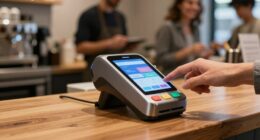
Consumers are increasingly favoring credit cards over debit cards because they offer better security, fraud protection, and added benefits like rewards and cashback. While debit cards are simple and linked directly to your bank account, they pose higher risks if compromised. Credit cards provide more flexibility, help build your credit, and come with advanced security features. If you want to understand the key differences shaping this trend, stay with us to learn more.
Key Takeaways
- Consumers are increasingly favoring credit cards over debit cards due to better security features.
- The shift is driven by concerns about fraud risk and the advantages of fraud protection with credit cards.
- Preference for credit cards also stems from added convenience, rewards, and flexible payment options.
- Advances in security technology are making credit cards a safer choice for everyday transactions.
- Overall, consumer trends indicate a move toward more secure, user-friendly payment methods.

Have you ever wondered what the difference really is between a debit and a credit? You’re not alone. Many consumers today are reevaluating their spending habits and how they prefer to pay. The shift isn’t just about banking; it’s about what makes your transactions safer and more convenient. As technology evolves, so do your options, and understanding the nuances can help you make smarter choices.
Many consumers are reevaluating their payment methods to prioritize security and convenience in a changing financial landscape.
When it comes to payment security, many people lean toward debit cards because they are directly linked to their checking accounts. This connection can give a sense of control, but it also means that if your card details are compromised, your bank account is at risk. On the other hand, credit cards often come with built-in fraud protection, making them a popular choice for those concerned about security. Credit companies invest heavily in advanced security measures, such as multi-factor authentication and real-time fraud monitoring, which can give you peace of mind. As a result, many consumers are shifting their preferences from debit to credit cards because they prioritize payment security. They want to avoid the potential hassle of having their funds frozen or drained due to fraudulent activity.
User convenience is another critical factor influencing this shift. Debit cards are simple to use — just swipe or tap, and you’re done. However, some find that managing their debit card spending can be limiting, especially since it directly affects their available balance. Credit cards, in contrast, often offer more flexibility in how and when you make payments. They provide the ability to rack up rewards, earn cashback, and build credit history, all while giving you a buffer in case of emergency expenses. Many consumers appreciate the convenience of being able to pay for larger purchases or split costs over time, which is easier with credit. Additionally, credit cards often come with better customer service options, making disputes or returns smoother. The increasing adoption of Cultural and Regional Breakfasts and diverse payment methods reflects that consumers are seeking options that suit their unique lifestyles and preferences.
The combination of enhanced payment security features and increased user convenience is shifting consumer preferences toward credit cards. While debit cards remain popular for everyday transactions, more people are opting for the added benefits and protections credit offers. This trend reflects a broader desire for safer, more flexible payment methods that fit into busy lifestyles. As technology continues to advance, expect these preferences to evolve further, with consumers seeking options that maximize both security and convenience at every transaction. Ultimately, your choice between debit and credit depends on your priorities, but it’s clear that the landscape is shifting towards more secure and user-friendly options.
Top picks for "debit credit consumer"
Open Amazon search results for this keyword.
As an affiliate, we earn on qualifying purchases.
Frequently Asked Questions
How Do Demographic Factors Influence Debit and Credit Card Preferences?
Your demographic factors substantially influence whether you prefer debit or credit cards. For example, younger consumers often favor debit cards due to their focus on budgeting and avoiding debt, reflecting current demographic trends. Conversely, older generations might lean toward credit cards for rewards and building credit, showing shifts in consumer behavior. Understanding these trends helps you see how age, income, and lifestyle shape your payment preferences and overall financial habits.
What Role Do Security Concerns Play in Consumer Choices?
Security concerns substantially influence your choice between debit and credit cards. You prioritize fraud prevention and data privacy, which makes you more cautious about sharing sensitive information. You’re likely to prefer secure payment methods that offer robust protection against fraud, such as EMV chip technology or contactless payments with encryption. These features help you feel confident in your transactions, reducing your worry about identity theft and unauthorized charges.
How Are Fintech Innovations Impacting Traditional Payment Methods?
Fintech innovations are transforming how you pay by making mobile wallets and peer-to-peer payments more accessible and convenient. You can now quickly send money to friends or pay with just a tap, bypassing traditional cards or cash. These advancements offer faster, more secure options, encouraging you to shift away from cash and cards toward digital solutions. As a result, traditional payment methods are evolving to meet your growing demand for seamless, real-time transactions.
What Are the Environmental Implications of Debit Versus Credit Usage?
You should consider that debit card usage generally has a lower environmental impact than credit cards, since it involves fewer resources and less energy consumption. Opting for digital payments aligns with sustainability practices, reducing paper waste and plastic use. By choosing debit over credit when possible, you contribute to more sustainable financial habits, minimizing your carbon footprint and supporting eco-friendly initiatives. Your payment choices can make a meaningful difference for the environment.
How Do Regional Economic Conditions Affect Payment Preferences?
You’ll notice that in regions with strong digital wallet trends, more people prefer cashless society options, especially where economic conditions are stable. For instance, in developed economies, over 60% favor digital payments. When the economy fluctuates, you might stick to cash or cards. Regional economic conditions directly influence your payment preferences, making you more adaptable to digital or traditional methods based on local stability and technological access.
Conclusion
As consumer choices change, credit and debit cards dance in a delicate dynamic. You see a shift toward smarter spending, stronger security, and seamless solutions. By embracing both options, you’re blending boldness with balance, building a better banking experience. Stay savvy, stay secure, and see how these shifting preferences shape your financial future. Remember, as your habits harness harmony, your financial freedom flourishes with focus and flexibility.