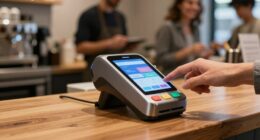

Digital payments are quickly replacing checks because they’re faster, more secure, and more convenient. You can transfer money instantly via bank transfers, mobile wallets, or cryptocurrencies, saving days of waiting. Plus, digital methods offer better security with encryption and biometric authentication. Checks are outdated, slow, and require manual effort. If you want to discover how these changes are shaping your financial future, there’s more to explore beyond this shift.
Key Takeaways
- Checks are slow, taking days to clear, whereas digital payments enable near-instantaneous transactions.
- Digital methods like bank transfers, mobile wallets, and cryptocurrencies offer faster, more efficient payment options.
- Checks require manual processing and record-keeping, increasing errors and administrative burden.
- The rise of cryptocurrencies provides decentralized, quick, and low-cost alternatives to traditional checks.
- Digital payments incorporate advanced security features, building trust and encouraging widespread adoption.
Digital payments are quickly transforming the way you handle transactions, making them faster, more convenient, and secure. As technology advances, more people are turning to digital options over traditional checks, which are becoming increasingly outdated. One major factor driving this shift is the rise of cryptocurrency adoption. Digital currencies like Bitcoin and Ethereum are gaining popularity because they offer a decentralized, fast, and transparent way to send and receive money. This trend is pushing you to consider how digital assets can complement or even replace traditional payment methods, especially for international or large transactions. Cryptocurrency transactions can be completed in minutes and often with lower fees, making them attractive alternatives to checks that can take days to clear and incur processing costs.
Digital payments, including cryptocurrencies, are revolutionizing transactions—faster, cheaper, and more secure than traditional checks.
Alongside cryptocurrencies, mobile wallets are becoming a key part of your financial landscape. Mobile wallets store your payment information securely on your smartphone, allowing you to make quick, contactless payments at stores, online, or even peer-to-peer. But with this convenience comes the need for robust mobile wallet security. If your mobile wallet isn’t protected properly, you risk losing access to your funds or becoming a target for cybercriminals. Many providers implement advanced encryption and biometric authentication, but it’s essential for you to stay vigilant—use strong passwords, enable two-factor authentication, and keep your device’s software up to date. The emphasis on mobile wallet security helps build trust in digital payments, encouraging wider adoption and replacing the traditional check’s cumbersome process.
The decline of checks also stems from their inefficiency and lack of immediacy. Writing, mailing, and waiting for checks to clear can take days, which hampers your ability to manage cash flow effectively. Digital payments, whether through bank transfers, mobile wallets, or cryptocurrencies, offer near-instantaneous settlement, giving you real-time control over your finances. Companies and consumers alike are recognizing these benefits, leading to a rapid decline in check usage. Furthermore, digital payments generate detailed transaction records automatically, simplifying bookkeeping and reducing errors. The adoption of high refresh rates in digital transaction systems further enhances user experience by providing faster feedback and confirmation.
As these technologies evolve, you’ll find that digital payments are not just a trend but a new standard. The integration of cryptocurrencies and the focus on mobile wallet security are key drivers of this change, providing you with safer, faster, and more versatile ways to handle money. Checks, with their slow processing times and manual effort, are becoming relics of the past. Embracing digital payment methods means you’re part of a financial system that’s more efficient, transparent, and aligned with the demands of today’s fast-paced world.
Top picks for "slow death check"
Open Amazon search results for this keyword.
As an affiliate, we earn on qualifying purchases.
Frequently Asked Questions
How Do Digital Payments Impact Small Businesses Differently?
Digital payments impact your small business by improving cash flow and customer convenience. You can process transactions faster, reducing wait times and making it easier for customers to pay with their preferred methods. This boost in efficiency helps you manage finances better and encourages repeat business. Plus, digital payments minimize errors, increase security, and allow you to track sales more accurately, giving you a competitive edge in today’s fast-paced market.
Are Digital Payments More Secure Than Traditional Checks?
Digital payments are generally more secure than checks because they reduce your risk of check fraud. They utilize advanced encryption protocols to protect your financial information during transactions, making it harder for hackers to steal data. Plus, digital payments often have built-in security features like real-time monitoring and fraud detection. So, you can feel more confident that your money is safe compared to handling traditional checks.
What Are the Environmental Benefits of Digital Payments?
Digital payments offer eco-friendly transactions by reducing paper usage and minimizing waste. With paperless benefits, you save trees and decrease energy consumption associated with printing, mailing, and processing checks. These eco-friendly transactions also lower carbon footprints since digital methods require less transportation and physical resources. By choosing digital payments, you contribute to a greener environment while enjoying faster, more efficient financial exchanges that support sustainability efforts.
How Do Digital Payment Systems Affect Financial Inclusion?
Digital payment systems enhance financial inclusion by making banking accessible through mobile banking, even in remote areas. You can easily manage your money, pay bills, and transfer funds without visiting a bank branch. However, digital literacy is vital; if you lack the skills to navigate these systems, it can be a barrier. Improving digital literacy empowers you to take full advantage of digital payments, bridging gaps and fostering financial inclusion.
What Are Future Technological Innovations in Digital Payments?
Ever wonder how payment tech will evolve? You’ll see innovations like cryptocurrency integration, making transactions more secure and versatile, and biometric authentication, which enhances security and convenience. Future digital payments could also include AI-driven fraud detection and seamless cross-border transfers. These advancements will make transactions faster, safer, and more accessible, transforming how you manage money daily. Isn’t it exciting to imagine a world where paying becomes effortless and worry-free?
Conclusion
As you embrace digital payments, remember that over 85% of transactions now occur electronically worldwide. This shift isn’t just about convenience; it’s about a future where cash fades into history. By switching to digital, you’re part of a movement that’s making transactions faster, safer, and more efficient. The slow death of checks signals a new era—one where technology leads the way. Don’t get left behind; adapt now and enjoy the benefits of this financial evolution.