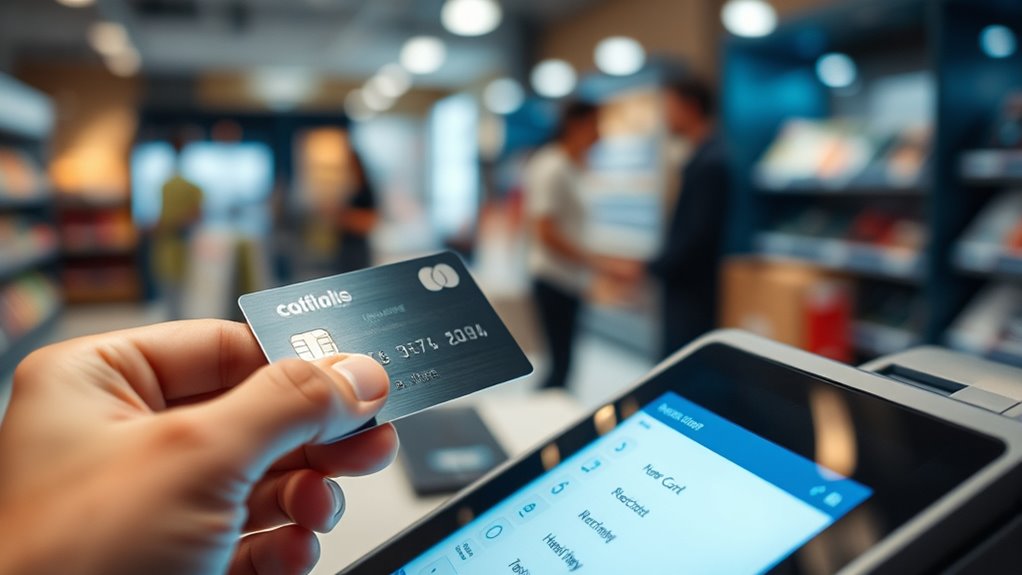
Contactless payments can boost your sales by offering faster, more secure transactions that enhance customer experience. They reduce checkout times, support safer interactions by minimizing physical contact, and help lower fraud risks with encryption and transaction limits. To maximize benefits, guarantee your terminals accept NFC devices and promote their safety features. If you’re interested in discovering how to seamlessly implement and encourage contactless options for your business, there’s more to explore below.
Key Takeaways
- Contactless payments offer faster transactions, reducing checkout times and enhancing customer experience.
- They improve security through encryption and dynamic cryptograms, minimizing fraud risks.
- Merchants can attract more customers by providing seamless, accessible payment options compatible with NFC devices.
- Limiting transaction amounts and educating staff help address security concerns and build customer trust.
- Implementing contactless technology can boost sales and customer satisfaction while maintaining safe, hygienic transactions.
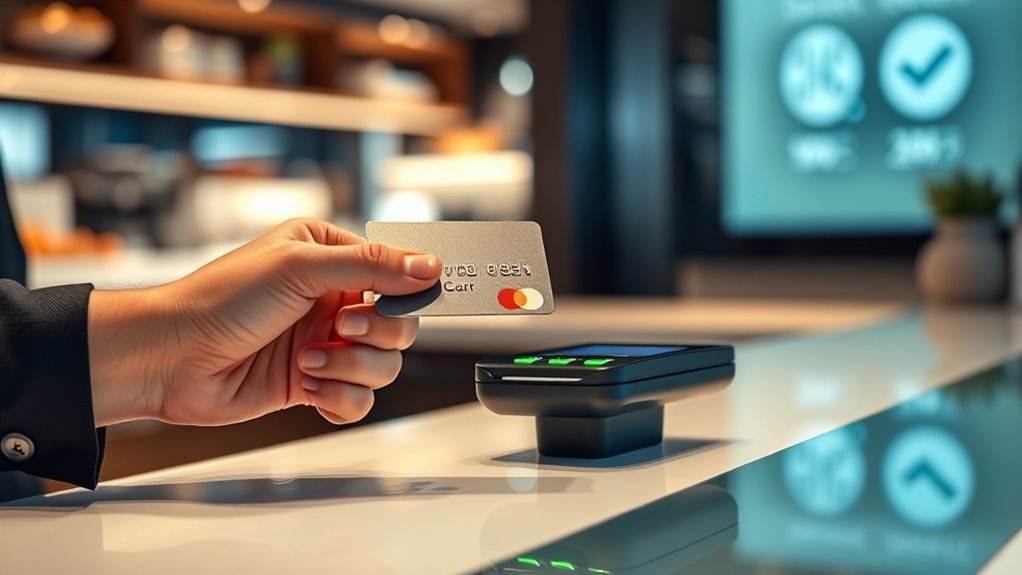
Contactless payments have transformed the way you make transactions by allowing you to pay quickly and securely without swiping or inserting your card. This convenience has led to a significant shift in how consumers prefer to pay, but it also raises important questions about security concerns and customer adoption. As a merchant, understanding these factors can help you better implement contactless solutions and reassure your customers.
Security concerns are often at the forefront of both merchants’ and consumers’ minds when it comes to contactless payments. Many worry about the potential for fraud or data breaches. However, contactless payments are designed with multiple layers of security. They use encryption to protect your customers’ card information, and the transaction process often involves dynamic cryptograms that change with each payment, making it difficult for hackers to intercept usable data. Additionally, because contactless transactions are typically limited to small amounts unless a PIN is entered, the risk of large-scale fraud diminishes. Educating your staff and customers about these security features can help alleviate concerns and build trust. Staying informed about ongoing security developments, such as cybersecurity vulnerabilities, can help you adapt your safety measures accordingly.
Customer adoption plays a *vital* role in the success of contactless payment systems. While many consumers appreciate the speed and convenience, some may be hesitant to embrace new technology due to unfamiliarity or lingering security worries. To encourage adoption, you should clearly communicate the benefits of contactless payments—such as faster checkout times and enhanced safety—while also demonstrating the security measures in place. Offering multiple payment options initially can ease customers into the *changeover*, allowing them to choose what feels safest. Over time, as they experience the ease and security firsthand, more customers are likely to adopt contactless methods.
Another factor that influences customer adoption is the availability of compatible devices. Ensuring your point-of-sale terminals are updated to accept contactless payments, including NFC-enabled cards and mobile wallets, is essential. The more accessible and seamless the experience, the more likely your customers will be to try it. Promotions or small incentives can also motivate hesitant customers to give contactless payments a try. Remember, building confidence in this technology takes time, but once customers see how convenient and secure it is, adoption tends to grow organically.

Credit Card Wand Tap to Pay Holder, 3D Printed Tap to Pay Wand for Contactless NFC Payment, Magic Wand Card Holder for Debit or Credit Cards (Pink)
Fun Tap to Pay Experience: Turn everyday payments into a fun moment with this credit card wand, simply…
As an affiliate, we earn on qualifying purchases.
As an affiliate, we earn on qualifying purchases.
Frequently Asked Questions
How Secure Are Contactless Payment Transactions?
Contactless payment transactions are quite secure because they use advanced encryption protocols to protect your data. These protocols guarantee your card information isn’t exposed during the transaction. Additionally, fraud prevention measures like tokenization and real-time monitoring help detect suspicious activity quickly. You can trust that your contactless payments are safe, provided you keep your device and card secure and report any suspicious activity immediately.
What Are the Initial Setup Costs for Merchants?
About 60% of consumers prefer contactless payments, so you’ll want to act fast. Your upfront investment typically includes hardware expenses like contactless payment terminals, which can range from $300 to $1,000 each. These costs cover the necessary POS equipment and software updates. While the initial setup might seem significant, the long-term benefits of faster transactions and happier customers make it a worthwhile investment for your business.
Can Contactless Payments Be Integrated With Existing POS Systems?
Yes, contactless payments can be integrated with your existing POS system. You need to check hardware compatibility to guarantee your current terminals support contactless technology. Additionally, software integration is essential; you may need to update or add specific software modules for seamless operation. Most modern POS systems are designed to accommodate contactless payment methods, making the shift smoother without a complete overhaul of your current setup.
Are There Any Customer Demographics Less Likely to Use Contactless Payments?
Some specific demographics are less likely to leverage contactless payments, particularly older users, who often face cultural barriers and lack familiarity with the technology. Additionally, certain communities may have demographic preferences favoring cash or traditional methods over digital options. To broaden adoption, you should consider these cultural barriers and tailor your approach, providing education and support to encourage diverse customer engagement with contactless payment options.
How Do Contactless Payments Impact Transaction Speed During Peak Hours?
During peak hours, contactless payments markedly improve transaction speed, helping you serve customers faster. They reduce wait times by eliminating the need for cash handling or card insertion, boosting peak hour efficiency. As a result, your checkout process becomes smoother and more streamlined, minimizing congestion and enhancing customer satisfaction. This quick transaction flow keeps lines moving and ensures your business operates seamlessly during busy periods.

SumUp Plus Card Reader, Bluetooth – NFC RFID Credit Card Reader for Smartphone
Accept all major credit and debit cards and pay one low rate
As an affiliate, we earn on qualifying purchases.
As an affiliate, we earn on qualifying purchases.
Conclusion
Embracing contactless payments gently guides your business toward a brighter, more seamless future. By thoughtfully integrating this technology, you create a welcoming environment where customers feel valued and transactions flow effortlessly. While there are subtle considerations to keep in mind, the overall journey offers a smooth shift into convenience and efficiency. So, take a confident step forward—your customers will appreciate the ease, and your business will flourish in the gentle glow of innovation.

Sonew Door Access Control RFID Card Reader Contactless Proximity Standalone Reader Security System
As an affiliate, we earn on qualifying purchases.
As an affiliate, we earn on qualifying purchases.
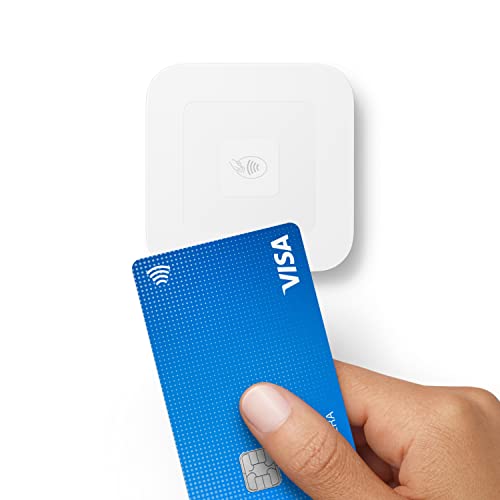
Square Reader for contactless and chip (2nd Generation)
Use the, easy-to-use, and customizable POS to get started.
As an affiliate, we earn on qualifying purchases.
As an affiliate, we earn on qualifying purchases.