
TL;DR
The Small Business Payments Alliance’s 2026 holiday shopping report says 89% of consumers consider supporting small businesses important. The report argues that accepting credit cards can help small firms serve shoppers, but the available findings do not establish how much card acceptance changes sales or business costs.
The Small Business Payments Alliance says 89% of consumers consider supporting small businesses over large retailers important, and argues that accepting credit cards can help small firms compete during the 2026 holiday shopping season. The report points to consumer preferences for card payments, though the figures provided do not show how much card acceptance changes an individual business’s sales.

Get smart everyday buys delivered free with Prime
- Fast, free delivery on millions of items
- Prime Video, Amazon Music and more included
- Member-only deals all year
The alliance’s Small Business Holiday Shopping Season Report 2026 frames payment choice as part of a small business’s ability to serve holiday customers. It says credit card acceptance can help businesses serve more customers, increase sales and manage operations efficiently. Those benefits are the alliance’s assessment; the published summary does not provide a sales estimate or a comparison of businesses that accept cards with those that do not.
The article also cites separate reports indicating that 78% of Americans prefer cards for in-person shopping and 70% of shoppers prioritize payment method when choosing where to shop. The summary does not name those reports, describe their methodology or specify when the surveys were conducted. The figures should be read as reported preferences, not as measurements of holiday purchases or guarantees of business growth.
For local retailers, the practical message is that a shopper’s preferred way to pay may affect the shopping experience and, according to the report, could factor into where customers decide to spend. The article presents card acceptance as one consideration for businesses preparing for the season, alongside the broader finding that many consumers say they value supporting small businesses.
Card payments may help small shops compete
A 2026 report highlights consumer support for small businesses and reported preferences for card payments. Those preferences do not guarantee purchases or prove sales growth.
What shoppers report
The figures describe attitudes and preferences, not confirmed holiday purchases.
Support matters
Many consumers say supporting small firms is important, but that does not show where they will shop.
Cards are preferred
Reported card preferences suggest payment options may shape the shopping experience.
Why acceptance may matter
The alliance says card acceptance can help retailers serve customers and manage operations.
- Offer a familiar way to pay
- Make checkout more convenient
- Help shoppers act on plans to support local businesses
- Effect on an individual store’s sales
- Processing costs compared with added revenue
- Whether preferences lead to holiday purchases
Evidence has limits
The published summary leaves important details unanswered.
| What is reported | What is not established |
|---|---|
| Consumer attitudes and payment preferences | Survey methods, sample size and field dates |
| Alliance assessment of card acceptance | Measured sales gains or processing costs |
Payment Choice at Local Shops
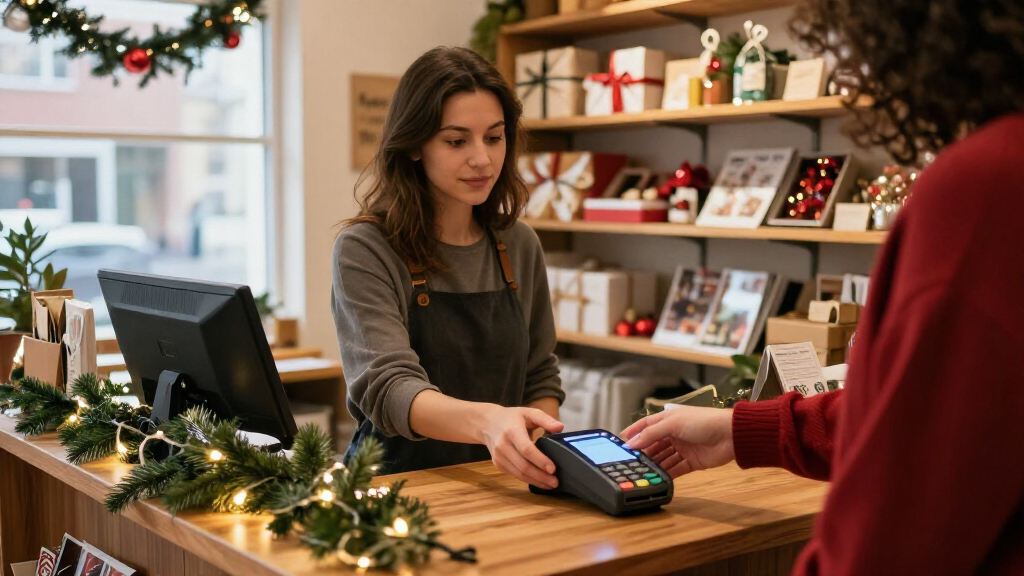
The findings put a specific operational question in front of small retailers: can customers pay in the way they prefer? If the reported preference for cards applies to a business’s own customers, not accepting them could make checkout less convenient or influence a shopper’s choice. The figures do not establish that this happens in every store, but they suggest payment options may matter alongside product selection and service during a busy shopping period.
The report’s message also connects consumer sentiment with the point of sale. Saying that supporting small businesses is important does not by itself show where a person will shop or what they will buy. Offering a familiar payment method may make it easier for that intention to translate into a purchase, but the available information does not quantify that effect. Nor does it compare card processing costs with any additional revenue.
That distinction matters to owners weighing business decisions before the holidays. The report makes a case for card acceptance as a way to serve customers, not a documented calculation of its financial return. Businesses would need to consider their own customer base, payment costs and operating needs when judging whether the approach works for them.
Products Worth Considering

Apple Mac mini Desktop Computer with M6 Chip (2026)

Logitech MX Creative Console with 9 Customizable Keys, Graphite

Canon SELPHY QX20 Compact Photo Printer – Dark Gray
As an affiliate, we earn on qualifying purchases.
What the Holiday Figures Show
The report is presented by the Small Business Payments Alliance, an organization focused on small business payments. The article’s headline emphasizes competition with larger retailers, while its central consumer finding is that 89% say support matters. That is a statement of reported attitudes, rather than evidence that 89% of consumers will make a small-business purchase this season.
The other two percentages add information about payment preferences and shopping decisions: 78% reportedly prefer cards for in-person purchases, and 70% reportedly prioritize payment method when choosing a retailer. The article does not provide the underlying survey details needed to compare those figures directly with the SBPA result. They therefore offer broad context, not a single, fully documented measure of holiday demand.
The immediate setting is the run-up to the 2026 holiday shopping season. The report’s summary does not give a forecast for total spending, identify particular industries or regions, or state how many businesses accept credit cards. Its focus is narrower: consumer attitudes toward small businesses and the potential usefulness of card payments for retailers.
“89% of consumers say supporting small businesses over big retailers is important.”
— Small Business Payments Alliance
Limits of the Published Findings
The article does not include the full report’s survey methods, sample size, field dates or question wording. It also does not identify the separate reports behind the 78% and 70% figures. Without that information, readers cannot assess how representative the findings are or whether the surveys measured the same population and period.
It is also unclear how the alliance measured the operational and sales benefits it attributes to credit card acceptance. The summary provides no estimates for added revenue, transaction costs, processing fees or differences between businesses with different payment options. The 89% figure describes stated views about supporting small businesses; it does not confirm that those consumers will shop locally this season.
No specific retailer, customer or payment provider is quoted in the report summary, and no actual holiday sales results are provided. The evidence describes reported attitudes and preferences ahead of the season rather than outcomes observed during it.
Holiday Sales Will Test the Claims
The next evidence will come from retailers’ experience over the holiday period: whether customers use card payment options, whether those options affect checkout or shopping decisions, and how businesses weigh transaction costs against sales and operational needs. The article does not identify a planned follow-up study or a date for additional SBPA findings.
For now, the report offers a seasonal prompt rather than a measured forecast. Owners considering changes can compare the findings with their own customer requests and business costs, while readers should distinguish reported consumer preferences from confirmed purchasing behavior. Actual holiday performance and the financial effect of card acceptance remain to be established.
Source: rss
Key Questions
What does the 2026 SBPA report say about supporting small businesses?
The Small Business Payments Alliance reports that 89% of consumers say supporting small businesses over large retailers is important. That is a reported attitude, not a count of consumers who will make a purchase at a small business.
What does the article say about card payment preferences?
It cites reports indicating that 78% of Americans prefer cards for in-person shopping and 70% of shoppers prioritize payment method when choosing where to shop. The summary does not identify those reports or give their survey details.
Does the report prove that accepting credit cards increases sales?
No sales increase is quantified in the published summary. The alliance says card acceptance can help businesses serve more customers and increase sales, but the available details do not establish the size of any effect.
When will the effect on holiday sales be known?
The article provides no sales results or timetable for follow-up findings. The effect of card acceptance during the 2026 holiday season remains unclear until retailers’ actual performance is reported.
Source: hardwareretailing.com