
Understanding the difference between card-present and card-not-present transactions helps you grasp how payment security and fraud risks are managed. With card-present, you physically swipe or insert your card, which activates security features like chip authentication to protect against fraud. In contrast, card-not-present transactions, such as online purchases, lack physical verification, making them riskier. Knowing these differences can help you choose safer payment methods and understand liability shifts—continue exploring to see how these factors impact your security.
Key Takeaways
- Card-present transactions involve physical card verification, offering higher security and lower fraud risk compared to card-not-present transactions.
- Card-not-present transactions are more vulnerable to fraud due to the absence of physical card authentication.
- Security measures like chip authentication are effective in card-present scenarios, while remote transactions rely on CVV and fraud detection tools.
- Liability for fraud shifts based on transaction type, with merchants often responsible for card-not-present fraud and issuers for card-present.
- Understanding the differences guides businesses in implementing appropriate security protocols and minimizing financial risks.

When it comes to processing payments, understanding the difference between card-present and card-not-present transactions is vital. These two types of transactions differ markedly in how they handle card data, security measures, and the risks involved. Card-present transactions occur when the cardholder physically presents their card at a point-of-sale terminal, like swiping, inserting, or tapping the card. Conversely, card-not-present transactions happen when the card isn’t physically used, such as online purchases or phone orders. Recognizing these distinctions helps you grasp why certain security protocols are in place and how they impact fraud prevention strategies.
In card-present transactions, chip authentication plays a key role. When you insert a chip-enabled card into a terminal, the chip generates a unique code for each transaction, making it much harder for fraudsters to duplicate. This dynamic security feature greatly enhances fraud prevention because even if someone intercepts transaction data, they can’t reuse the code. The chip’s ability to authenticate the card during each transaction gives merchants and cardholders confidence that the card is genuine and present in the right hands. It also reduces the likelihood of counterfeit card use, helping to curb fraud at the point of sale.
By contrast, card-not-present transactions inherently carry higher risks. Since there’s no physical card to verify, fraudsters often exploit vulnerabilities through methods like data breaches or phishing scams. Without the benefit of chip authentication, these transactions rely heavily on other security measures such as CVV codes, billing address verification, and multi-factor authentication. While these methods help bolster fraud prevention, they’re not foolproof. Criminals often find ways to bypass them, making online and remote transactions more susceptible to fraud. This increased risk underscores the importance of implementing additional security layers, like tokenization or fraud detection systems, to mitigate potential losses.
Understanding these differences also influences how you manage chargebacks and fraud liability. With card-present transactions, liability often shifts to the issuer if chip authentication is used properly, protecting merchants. For card-not-present transactions, merchants usually shoulder more liability, prompting many to adopt stricter security protocols. Recognizing the security features, like chip authentication, and their role in fraud prevention, helps you choose the right payment processing solutions and implement best practices. Additionally, leveraging innovations such as tokenization can further reduce fraud risks in card-not-present transactions. Whether you’re a business owner or consumer, knowing how these transaction types differ ensures you stay protected and reduce exposure to financial fraud.
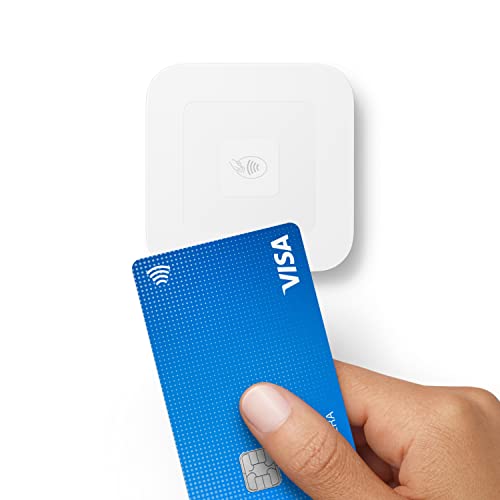
Square Reader for contactless and chip (2nd Generation)
Use the, easy-to-use, and customizable POS to get started.
As an affiliate, we earn on qualifying purchases.
As an affiliate, we earn on qualifying purchases.
Frequently Asked Questions
How Do Fraud Risks Differ Between Card-Present and Card-Not-Present Transactions?
You face higher fraud risks with card-not-present transactions because they lack physical verification. Hackers exploit this weakness through stolen data, making tokenization security vital to protect sensitive info. Transaction authentication methods, like 3D Secure, help verify your identity and reduce fraud. In contrast, card-present transactions benefit from physical card verification, lowering your risk. Always guarantee strong authentication and tokenization to safeguard your transactions effectively.
What Security Measures Are Most Effective for Card-Not-Present Payments?
You might think your online payments are as secure as a bank vault, but scammers agree. To stay safe, use tokenization security that replaces your card details with unique tokens, making theft pointless. Biometric authentication, like fingerprint or facial recognition, adds an extra layer of fun (and security) by confirming it’s really you. Combine these measures, and you’ll outsmart fraudsters who prefer sneaky, not secure, transactions.
How Do Chargeback Processes Vary Between the Two Transaction Types?
You’ll find that chargeback procedures differ between card-present and card-not-present transactions. For card-present, dispute resolution is usually quicker because of physical proof, like a signature or chip data. In contrast, card-not-present transactions often involve more complex evidence gathering and longer processes due to the lack of physical verification. Understanding these differences helps you navigate dispute resolution more effectively and prepares you for potential chargebacks.
Are Certain Industries More Vulnerable to Card-Not-Present Fraud?
You might think industries like retail or travel are safe from card-not-present fraud, but irony hits hard here. E-commerce and digital services are actually more vulnerable due to industry-specific vulnerabilities and regional fraud trends. Online businesses face higher risks because fraudsters exploit weak security measures. So, even if you think you’re protected, the digital landscape’s vulnerabilities can surprise you, making your industry a prime target for fraud.
What Future Technologies Could Impact the Difference Between These Transaction Types?
Future technologies like biometric authentication and blockchain verification could profoundly impact the difference between card-present and card-not-present transactions. Biometric methods, such as fingerprint or facial recognition, will enhance security in remote payments, reducing fraud risks. Blockchain can offer transparent, tamper-proof transaction records, making remote transactions more trustworthy. These innovations will bridge the gap, making card-not-present transactions as secure as card-present ones, and transforming payment security overall.
Mullvad VPN | 6 Months for 5 Devices | Protect Your Privacy with Easy-To-Use Security VPN Service
Mullvad VPN: If you are looking to improve your privacy on the internet with a VPN, this 6-month…
As an affiliate, we earn on qualifying purchases.
As an affiliate, we earn on qualifying purchases.
Conclusion
Now, picture yourself at a bustling checkout, your card sliding smoothly through the reader—card-present, secure, like a handshake. But when you shop online, your info drifts through the digital wind—card-not-present, riskier, like a whisper in the dark. Understanding the difference helps you protect your hard-earned money, like a shield against unseen threats. So, stay aware, stay vigilant, and keep your transactions safe—because in this digital world, awareness is your best armor.

Practical Fraud Prevention: Fraud and AML Analytics for Fintech and eCommerce, Using SQL and Python
As an affiliate, we earn on qualifying purchases.
As an affiliate, we earn on qualifying purchases.

Yubico – YubiKey 5C NFC – Multi-Factor authentication (MFA) Security Key and passkey, Connect via USB-C or NFC, FIDO Certified – Protect Your Online Accounts
POWERFUL SECURITY KEY: The YubiKey 5C NFC is the most versatile physical passkey, protecting your digital life from…
As an affiliate, we earn on qualifying purchases.
As an affiliate, we earn on qualifying purchases.