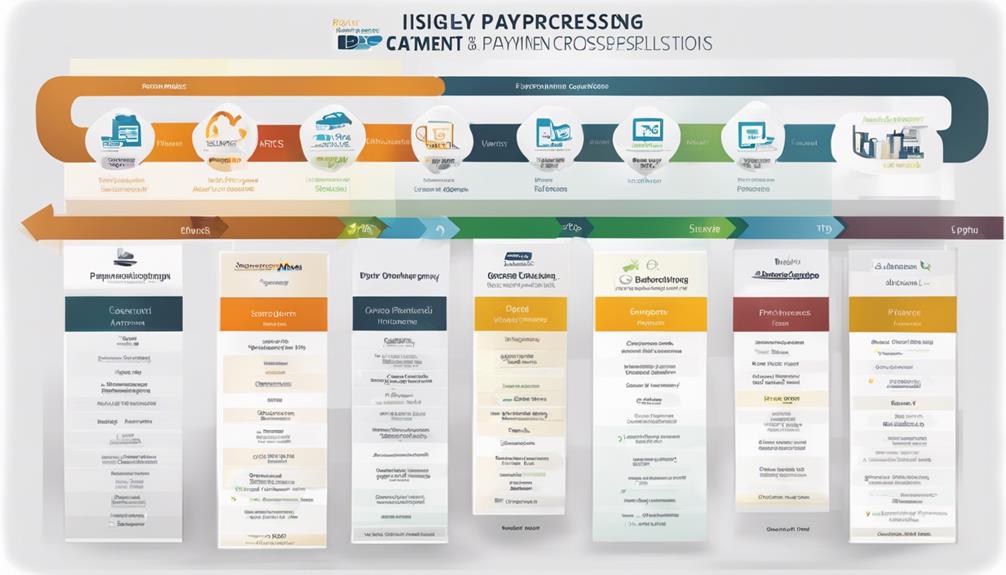

Gateway tokens and network tokens both enhance payment security by replacing sensitive card data. Gateway tokens are temporary and used for single transactions, reducing fraud risk. Network tokens are more persistent, supporting ongoing and recurring payments without re-entering card details. This evolution allows you to enjoy seamless, secure transactions over time. If you want to understand how these tokens shape digital payments today and their future impact, keep exploring this topic further.
Key Takeaways
- Gateway tokens are temporary, single-use identifiers for a specific transaction, while network tokens are persistent and support recurring payments.
- Payment tokenization evolved from short-lived gateway tokens to more durable network tokens that enhance security and user convenience.
- Gateway tokens minimize fraud risk during transactions, whereas network tokens enable ongoing, seamless mobile wallet payments.
- Proper token lifecycle management ensures gateway tokens expire after use, while network tokens are securely maintained for future transactions.
- Both types of tokens play essential roles in modern digital payments, with network tokens representing an advancement in secure, continuous payment processing.
Understanding the difference between gateway tokens and network tokens is essential if you’re exploring the world of blockchain and cryptocurrency. These tokens play a crucial role in how digital transactions are secured and processed. Gateway tokens are typically used during the initial transaction process, acting as temporary stand-ins for sensitive card data when you make a payment online or through a mobile wallet. They’re designed to protect your data by replacing real card details with a token, reducing the risk of exposure during transmission. Once the transaction is complete, these gateway tokens are usually discarded or expire, emphasizing their role as short-lived identifiers. On the other hand, network tokens are more persistent and are managed within the broader payment ecosystem, often linked to your card or account. They ensure a seamless user experience by allowing recurring transactions and continuous payment processes without needing to re-enter your card information each time. This shift from using actual card data to network tokens enhances security and simplifies token lifecycle management, which is vital for maintaining mobile wallet security over time. Additionally, high-quality tokenization relies on robust security protocols to prevent unauthorized access and ensure data integrity.
In the context of mobile wallets, tokenization has significantly improved security. Instead of storing actual card details, your mobile wallet generates and stores tokens that are useless outside the specific transaction or merchant. This approach minimizes fraud risk and makes it harder for hackers to misuse your payment information. The token lifecycle management becomes critical here, as tokens need to be carefully generated, stored, and invalidated when necessary to prevent misuse. Proper management ensures that tokens are only active during their intended period and are securely replaced when your card or account details change. This process reduces the chance of unauthorized access and keeps your mobile wallet secure over the long term.
Understanding these distinctions helps you see how payment tokenization has evolved to prioritize security and convenience. Gateway tokens serve their purpose during a single transaction, while network tokens support ongoing, recurring payments with enhanced security. Both are integral to modern digital payments, but their roles are different, and knowing this helps you better manage your digital assets. As tokenization technology advances, so does your ability to protect your financial data, especially with robust token lifecycle management strategies. Whether you’re making a one-time purchase or setting up recurring payments, grasping how these tokens work ensures you stay informed and secure in the evolving landscape of digital payments.
Top picks for "token gateway network"
Open Amazon search results for this keyword.
As an affiliate, we earn on qualifying purchases.
Frequently Asked Questions
How Do Gateway Tokens Impact Cross-Border Transactions?
Gateway tokens improve cross-border transactions by enhancing security and reducing fraud risks. They help you navigate cross-border compliance by masking sensitive data, making international payments smoother. However, they don’t eliminate currency conversion challenges, so you still need to manage exchange rates effectively. Using gateway tokens streamlines your payment process, ensuring data protection while addressing compliance, but stay aware of potential currency fluctuations during cross-border transactions.
What Are the Security Risks of Network Tokens?
Think of network tokens as guardians of your payment info, but even guardians face threats. Their security risks include potential token theft or misuse if tokenization compliance isn’t strict, making fraud prevention harder. Hackers may target the token system itself, risking data breaches. You must guarantee robust security measures and compliance to protect transactions, so your payment environment remains safe and trustworthy.
Can Gateway Tokens Be Used for Recurring Payments?
Yes, gateway tokens can be used for recurring payments. They facilitate token renewal, making it easier to process ongoing transactions without exposing sensitive card data. This enhances security and streamlines the payment process, ultimately improving customer retention. By using gateway tokens, you guarantee a seamless experience for your customers, encouraging them to continue their subscriptions or repeat purchases with confidence, knowing their payment details are protected and easily renewed.
How Do Network Tokens Influence Transaction Speed?
Sure, network tokens speed up transactions, but don’t get too excited—they still have a limited token lifespan. This means, despite reducing transaction latency, they eventually need renewal, causing a tiny delay. Ironically, what seems like a quick fix might still slow you down when renewal time hits. So, while network tokens enhance speed, they’re not magic; they’re just a smarter, slightly more reliable way to handle your payments.
Are There Industry Standards for Tokenization Practices?
Yes, industry standards for tokenization practices exist to guarantee security and consistency. You should follow industry compliance guidelines like PCI DSS, which outline secure handling of payment data. Managing the token lifecycle effectively is vital, from creation to deactivation, to prevent vulnerabilities. By adhering to these standards, you protect sensitive information, maintain trust, and confirm your tokenization process aligns with evolving security requirements.
Conclusion
As you explore the nuances between gateway and network tokens, you’ll find that each subtly enhances security and streamlines transactions in its own elegant way. Embracing these advancements allows you to navigate the digital payment landscape with confidence, knowing that your transactions are safeguarded by sophisticated tokenization methods. Ultimately, choosing the right approach helps you move smoothly through modern commerce, appreciating the quiet sophistication that underpins secure, seamless payments.