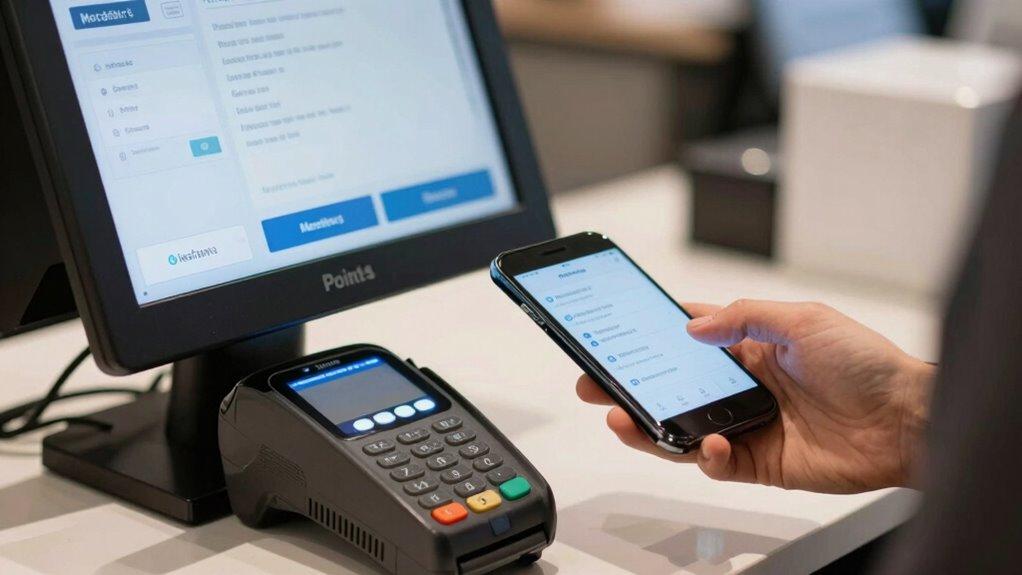

Merchant-initiated transactions are set up by the merchant, often for ongoing services like subscriptions or memberships, and happen automatically without you needing to act each time. Customer payments, on the other hand, require you to actively confirm or enter your details for each purchase or invoice. Understanding the difference helps you manage your expenses and avoid surprises. Keep exploring to learn more about how these transaction types can impact your financial security and convenience.

Get smart everyday buys delivered free with Prime
- Fast, free delivery on millions of items
- Prime Video, Amazon Music and more included
- Member-only deals all year
Key Takeaways
- Merchant-initiated transactions are started by the merchant, often for ongoing services, while customer payments are initiated directly by the consumer at the point of sale.
- Customer payments require explicit consumer consent, whereas merchant-initiated transactions may be set up for recurring billing without repeated authorization.
- Merchant-initiated transactions need enhanced fraud prevention measures due to higher risk of unauthorized charges.
- Customer payments typically involve one-time actions like entering card details, while merchant-initiated transactions can occur automatically.
- Clear communication and authorization are essential for customer trust and proper management of both transaction types.
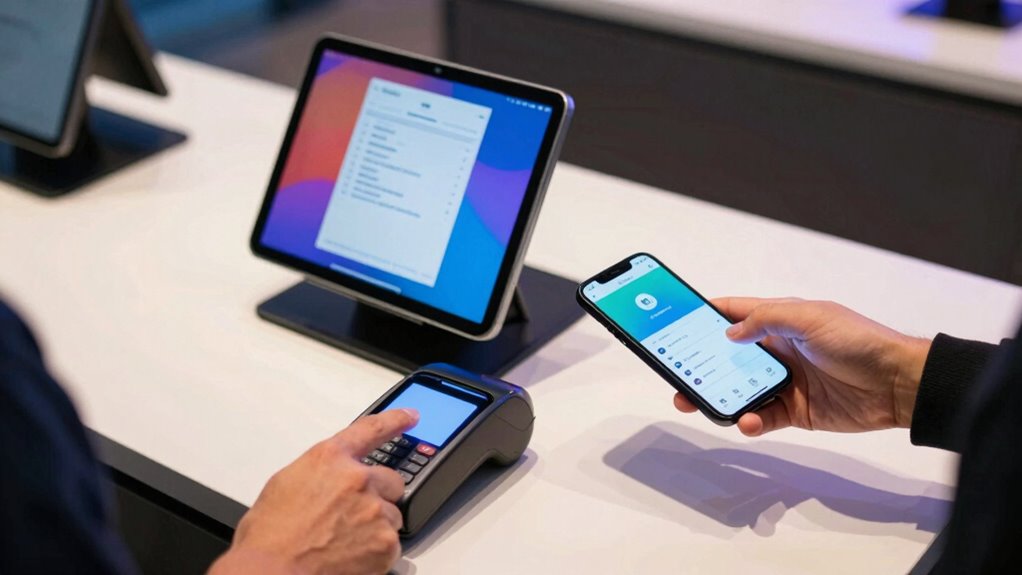
When it comes to online and in-store transactions, understanding the difference between merchant-initiated transactions and customer payments is essential for both businesses and consumers. Merchant-initiated transactions are those where the merchant takes the lead, often to provide ongoing services or products without requiring the customer to authorize each payment. These include recurring billing setups, where payments are automatically charged to a customer’s account at regular intervals. Customer payments, on the other hand, are initiated directly by the consumer, typically when they make a purchase or settle an invoice. Recognizing this distinction helps you manage your financial relationships more effectively and ensures smooth transaction processes.
Understanding merchant-initiated versus customer payments helps ensure secure, smooth transactions for businesses and consumers alike.
For businesses, merchant-initiated transactions are a critical part of offering subscription-based services, memberships, or any ongoing billing model. They enable continuous revenue streams without the need for customers to repeatedly authorize each payment, making it easier to maintain customer engagement and satisfaction. However, this convenience comes with the responsibility of implementing robust fraud prevention measures. Fraud prevention is crucial because merchant-initiated transactions, especially recurring billing, can be exploited if not properly secured. Unauthorized charges or fraudulent activities can damage your reputation and lead to chargebacks, which hurt your bottom line. Therefore, setting up secure authorization protocols and monitoring transactions regularly is key to protecting both your business and your customers. fraud prevention measures are especially important for safeguarding sensitive financial information.
Customer payments tend to be straightforward, usually involving a one-time transaction where the customer explicitly authorizes the payment at the point of sale. These payments often require explicit consent, such as entering card details or confirming a purchase. Because of this, they tend to carry less risk of fraud if proper security measures are in place. Nonetheless, consumers should stay vigilant about sharing their payment information, especially online, to prevent fraud. In contrast, merchant-initiated transactions, especially those involving recurring billing, require explicit consent upfront and clear communication about the billing schedule. This transparency helps build trust and reduces disputes. Additionally, understanding how payment security measures are implemented can further minimize risk and protect sensitive information. Implementing trusted payment gateways and encryption protocols can significantly enhance transaction security.
Furthermore, awareness of transaction types can help consumers better understand their rights and responsibilities, especially in cases involving automatic payments or subscriptions. Understanding the differences between these transaction types empowers you to choose the right payment strategies and safeguards. For example, consumers should be aware of authorization requirements for recurring payments to prevent unexpected charges. If you’re a consumer, knowing when a merchant can initiate charges helps you keep track of your expenses and spot any suspicious activity early. For businesses, aligning your processes with best practices for fraud prevention and transparent communication around recurring billing can boost customer confidence and minimize risks. Whether you’re making a payment or setting up a recurring service, clear understanding and proper security measures ensure your financial interactions are safe, efficient, and trustworthy.
subscription payment management tools
As an affiliate, we earn on qualifying purchases.
As an affiliate, we earn on qualifying purchases.
Frequently Asked Questions
How Is Fraud Prevention Handled Differently in Merchant-Initiated Transactions?
In merchant-initiated transactions, you rely more on automated fraud detection systems and transaction security protocols to prevent fraud. Since these transactions aren’t directly initiated by the customer, you implement stricter verification steps and real-time monitoring. These measures help you identify suspicious activities early, reducing fraud risks. You also use advanced analytics and fraud scoring to affirm each transaction’s legitimacy, maintaining overall payment security.
What Are the Typical Fees Associated With Each Transaction Type?
You’ll find fees can be a rollercoaster, with pricing models wildly varying. Customer-initiated payments often have straightforward, flat-rate fees, while merchant-initiated transactions tend to involve higher, sometimes percentage-based charges. Transaction timing also impacts costs—immediate payments might cost more than delayed ones. Expect to see setup fees, processing fees, and sometimes monthly charges. Understanding these fee structures helps you plan better, ensuring you’re not caught off guard by unexpected costs.
Can Customers Cancel Merchant-Initiated Transactions After Authorization?
You generally can’t cancel merchant-initiated transactions after authorization without the merchant’s cooperation. Customer consent is essential during the initial setup, but cancellation rights depend on your agreement with the merchant and applicable laws. If you want to stop future payments, contact the merchant directly; they might agree to cancel or modify the transaction. Remember, your cancellation rights vary, so review your terms and conditions carefully to understand your options.
How Do Chargeback Processes Differ Between the Two?
Chargeback challenges chase different courses for merchant-initiated versus customer-initiated payments. You’ll find recurring billing and authorization holds play pivotal roles—merchant-initiated charges often involve automatic, ongoing transactions, making disputes trickier. Customers contest charges through chargebacks, which merchants can challenge, but recurring billing complicates resolution. Conversely, customer-initiated payments are usually straightforward, with disputes often tied to unauthorized or mistaken charges. Understanding these distinctions helps you navigate chargeback processes more confidently.
What Regulatory Considerations Apply to Merchant-Initiated Transactions?
You need to guarantee regulatory compliance by following laws like PCI DSS, which protect payment data, and adhere to privacy regulations such as GDPR or CCPA to safeguard customer information. Privacy concerns should be addressed by obtaining explicit consent before initiating transactions, maintaining transparent policies, and securely handling data. Staying updated on evolving regulations helps you avoid penalties and builds trust with your customers, ensuring your merchant-initiated transactions remain compliant and secure.
fraud prevention software for online payments
As an affiliate, we earn on qualifying purchases.
As an affiliate, we earn on qualifying purchases.
Conclusion
So, while merchant-initiated transactions often seem like a hassle you didn’t ask for, they actually keep your favorite services running smoothly—without you lifting a finger. Ironically, the very convenience they offer can sometimes make you forget who’s really in control: you or the merchant. Next time a charge appears unexpectedly, remember, it’s all part of the delicate dance between your autonomy and their convenience—sometimes, one’s freedom is just a transaction away.
As an affiliate, we earn on qualifying purchases.
As an affiliate, we earn on qualifying purchases.
Halloween Picks
halloween
As an affiliate, we earn on qualifying purchases.