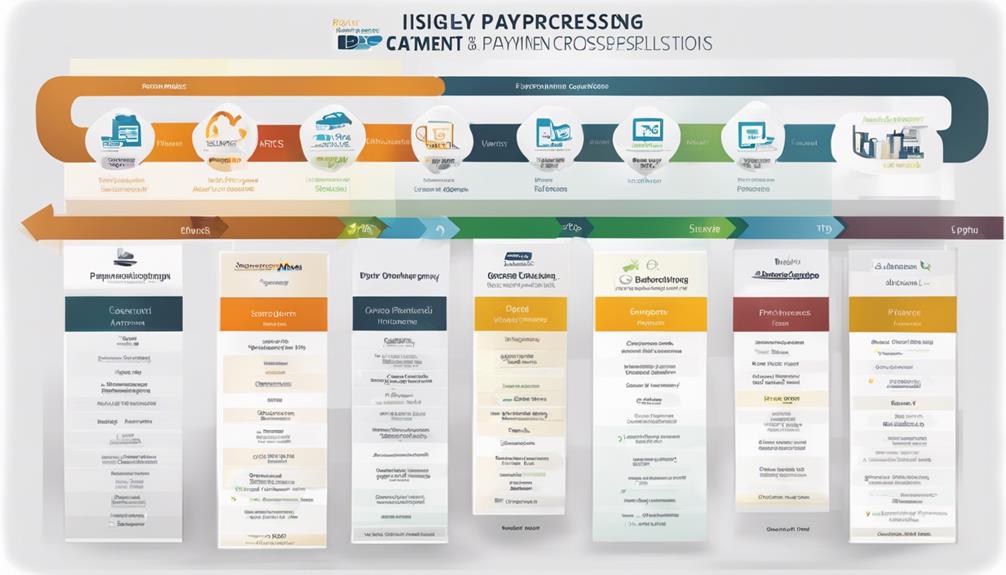

When reviewing a payment processor contract, focus on five key clauses: fees and transparency, renewal terms, security and compliance requirements, liability and chargeback responsibilities, and service scope. Make sure you understand how fees are calculated, notice periods for renewal or cancellation, security standards like PCI DSS, and who’s responsible for chargebacks and refunds. Pay attention to these details to avoid surprises and protect your business. Keep going to discover more tips to navigate these vital contract points.

Get smart everyday buys delivered free with Prime
- Fast, free delivery on millions of items
- Prime Video, Amazon Music and more included
- Member-only deals all year
Key Takeaways
- Review renewal and cancellation clauses to avoid automatic contract updates and penalties.
- Check fee structures, including hidden charges and transparency of interchange plus versus blended models.
- Confirm security compliance requirements like PCI DSS to prevent extra fees or liabilities.
- Understand liability and indemnification provisions to clarify responsibility for fraud or data breaches.
- Clarify chargeback and refund policies to manage costs and prevent unexpected expenses.

When you sign a payment processor contract, understanding its key clauses is essential to protect your business. These agreements aren’t just formalities; they define your financial obligations, rights, and risks. One of the most critical areas to review is the fees and pricing structure. Payment processors typically charge transaction fees, which can include a flat fee or a percentage based on the transaction amount. These vary by payment method, such as credit or debit cards. Some contracts also specify recurring fees, like monthly or annual charges for maintaining the service. Be aware that interchange fees paid to card networks often aren’t transparent—they differ by network and may be buried in the fine print. Chargeback fees are another cost to watch for, especially if you operate in high-risk industries. Disputed transactions can trigger hefty fees, so understanding how your processor handles chargebacks helps you prepare for potential expenses. Pricing models vary widely; some adopt blended fees that combine flat and percentage charges, while others use Interchange Plus models, which are more transparent because they pass through actual card network fees plus a markup. Reviewing these details can prevent surprises on your billing statements. Additionally, understanding the different payment processing models can help you choose the most cost-effective option for your business.
Contract terms and renewal provisions are equally important. Many agreements specify an effective date and duration, but a common pitfall is automatic renewal clauses. Unless you give notice within a designated window, your contract could renew automatically, locking you into potentially unfavorable terms. Notice periods for termination are typically outlined, and failing to adhere to them can result in penalties or early termination fees. Understanding these renewal and cancellation conditions helps you avoid ongoing charges for a service you no longer need or want. It’s wise to track renewal dates and plan your exit strategy accordingly.
Security and compliance clauses are vital, especially since protecting cardholder data is a legal requirement. Your contract should specify that you maintain compliance with PCI DSS standards, and the payment processor must implement security measures to safeguard sensitive information. Non-compliance can lead to additional fees or penalties, so ensure these clauses align with industry standards. Service scope and performance standards are also crucial; your contract should clearly define what services you’re entitled to, such as transaction authorization, settlement, and reporting. Clarify any limitations to avoid gaps in your payment processing capabilities. Liability and indemnification clauses determine who bears responsibility for losses, damages, or security breaches. These provisions set financial limits and clarify risk allocation, which is essential for managing potential liabilities. Lastly, review how chargebacks and refunds are handled, including associated fees. Chargebacks can be costly, and understanding your processor’s procedures helps you minimize losses.
payment processor fee analysis tool
As an affiliate, we earn on qualifying purchases.
As an affiliate, we earn on qualifying purchases.
Frequently Asked Questions
How Can I Negotiate Better Terms in My Payment Processor Contract?
To negotiate better terms, you should start by thoroughly understanding your business needs and transaction volume. Use your bargaining power by highlighting your volume or loyalty, and propose incentives like early payments. Demand transparency on all fees and explore tiered pricing options. Research market offers and compare providers to strengthen your position. Be prepared to negotiate liability clauses and termination rights to ensure flexibility, ultimately securing favorable, clear contract terms upfront.
What Are Common Hidden Fees in Payment Processor Agreements?
Hidden fees in payment processor agreements are like hidden traps in a treasure map, ready to surprise you. You might overlook AVS charges, batch fees, or statement costs creeping in unnoticed. Monthly minimums and early termination penalties can sneak up like shadows, draining your profits. Always read the small print, ask questions, and clarify every fee to avoid walking into costly surprises that can turn your treasure hunt into a minefield.
How Do Chargeback Policies Impact My Business?
Chargeback policies directly impact your business by increasing costs and risking account stability. When your chargeback rate exceeds 1%, you may face penalties, higher processing fees, or even account termination. Frequent chargebacks also hurt your reputation and limit growth opportunities. Plus, handling disputes takes time and resources, diverting your focus from core operations. To minimize these effects, you need effective chargeback management strategies and clear policies with your payment processor.
What Remedies Are Available if the Processor Breaches the Contract?
When your contract’s breached, it’s like hitting a rough patch on a smooth road. You can terminate the agreement, especially if there’s cause like fraud or non-compliance. Legal remedies include seeking damages, demanding specific performance, or requesting injunctive relief. You might also rely on indemnification or limitation of liability clauses. Remember, courts step in only if contractual remedies fall short, acting as the final safety net in this legal journey.
Are There Industry-Specific Clauses to Consider in Contracts?
When reviewing payment processor contracts, you should consider industry-specific clauses. These can include compliance requirements like PCI DSS for data security or HIPAA for healthcare data. Look out for special audit rights, higher transaction limits for high-risk sectors, and hardware or software support tailored to your industry. Understanding these clauses guarantees you’re prepared for industry regulations, mitigating risks and avoiding unexpected costs or restrictions.
As an affiliate, we earn on qualifying purchases.
Conclusion
Remember, your contract is the map guiding your journey through the payment landscape. Watch for hidden reefs—those sneaky clauses that could sink your plans. By carefully reading the fine print, you hold the compass to steer clear of surprises and navigate confidently. Stay vigilant, and let each clause be a lighthouse guiding your ship safely to smooth sailing in your business ventures. Your clarity now guarantees a clearer horizon ahead.
As an affiliate, we earn on qualifying purchases.
contract review checklist for payment processors
As an affiliate, we earn on qualifying purchases.
As an affiliate, we earn on qualifying purchases.
Halloween Picks
halloween
As an affiliate, we earn on qualifying purchases.