
Globally, the way you verify your card varies widely. In some countries, PINs are the main method, offering a quick and secure way to authenticate transactions. Others rely on signatures, especially for credit cards, though they’re less reliable. Many regions now favor no verification at all for contactless payments, focusing instead on transaction limits and fraud detection. To find out how these differences impact your transactions, keep exploring further.
Key Takeaways
- PINs are widely used globally, especially where cost-effective security is prioritized, often combined with chip technology.
- Signatures are still common in some regions, notably for credit cards, but are less reliable due to forgery risks.
- Biometric methods like fingerprint and facial recognition are increasingly adopted for seamless, secure verification in advanced regions.
- Some areas and merchants opt for no verification for contactless transactions, relying on limits and fraud detection algorithms.
- Regional infrastructure, privacy concerns, and technological adoption influence whether PIN, signature, or no verification method is used.

As digital transactions become more widespread, understanding the various cardholder verification methods used around the world is essential. Different countries adopt diverse approaches to confirm that the person using a card is its rightful owner. One notable trend is the increasing biometric adoption, which leverages unique physical traits like fingerprints or facial recognition. This method not only streamlines the checkout process but also enhances fraud prevention techniques, making it harder for unauthorized users to access funds. In many regions, biometric verification is becoming a preferred alternative to traditional methods such as PINs and signatures, especially as technology advances and costs decrease.
In countries with high biometric adoption, retailers and financial institutions often favor biometric authentication because it offers a seamless and secure experience. For example, fingerprint scanners or facial recognition systems can verify identity quickly and with high accuracy, reducing the risk of card fraud. These methods serve as robust fraud prevention techniques, especially in areas where card skimming and cloning are prevalent. Biometric data is inherently difficult to duplicate or steal, providing an added layer of security that traditional PINs or signatures can’t always guarantee.
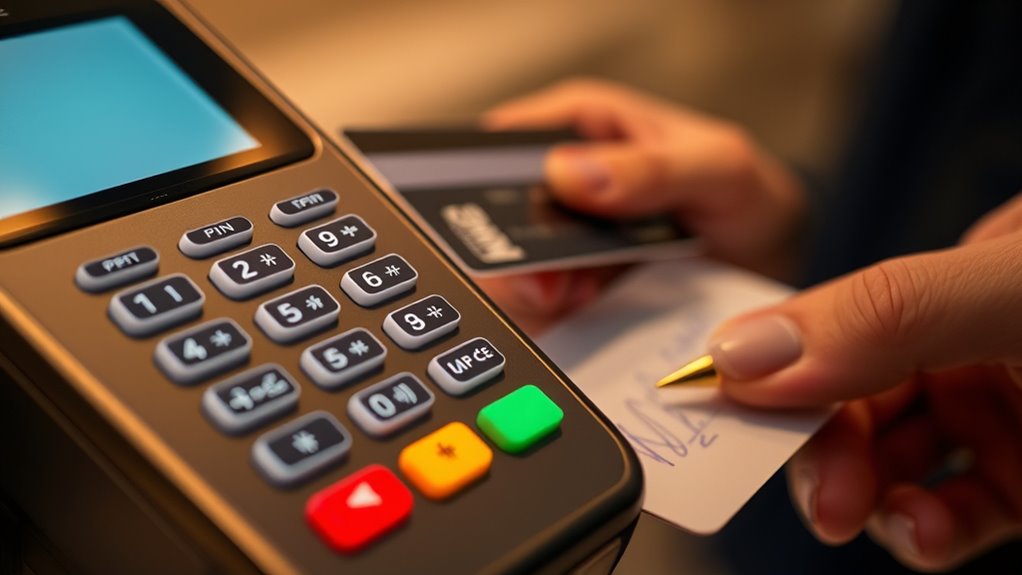
However, not all regions rely heavily on biometric verification. In some countries, PINs remain the primary method of cardholder verification, especially where privacy concerns or technological infrastructure limit biometric adoption. PINs are simple, cost-effective, and widely understood, making them suitable for a broad user base. They act as a straightforward fraud prevention technique, especially when combined with chip technology in EMV cards. Conversely, signatures are still common in certain areas, particularly for credit card transactions, but their effectiveness is often debated, as signatures can be forged and are less reliable than other methods.
Some countries and merchants opt for no verification method at all, particularly with contactless payments. In these cases, the convenience of quick transactions is prioritized, relying on transaction limits and fraud detection algorithms to minimize risk. While this approach may seem riskier, it’s often supported by sophisticated fraud prevention techniques implemented behind the scenes, such as real-time transaction monitoring and behavioral analytics. Additionally, the security of eSIM technology provides an extra layer of protection, especially as more devices incorporate this feature for mobile payments.
Frequently Asked Questions
How Do Cultural Differences Influence Verification Method Preferences?
Cultural influence shapes your verification preferences markedly. In some regions, you might favor quick, contactless methods due to social norms emphasizing efficiency and hygiene, while others prefer PINs or signatures rooted in tradition and security perceptions. Your comfort level with technology, trust in banking systems, and local customs drive these preferences. Understanding these cultural influences helps financial institutions tailor verification methods, ensuring they align with user expectations and enhance security worldwide.
Are Biometric Verifications Gaining Acceptance Worldwide?
Imagine a world where your fingerprint open a door—that’s biometric verification gaining acceptance worldwide. Biometric adoption accelerates as technology advances and security concerns grow. Cultural influences shape this shift, with some regions embracing fingerprint scans and facial recognition faster than others. You’ll see more places integrating these methods, trusting them for convenience and safety. As global acceptance rises, biometric verification becomes a seamless part of your everyday transactions.
What Security Risks Are Associated With Signature-Based Verification?
Signature-based verification poses security risks like fraud, as signatures can be forged or easily duplicated, making it less reliable for fraud prevention. It also compromises user convenience because it often requires manual comparison and can slow transactions. You might find it less secure and less efficient compared to methods like PINs or biometrics, which offer quicker, more accurate protection against unauthorized access while maintaining better user convenience.
How Do Emerging Payment Technologies Impact Verification Methods?
Like the swift changes in technology, emerging payment methods reshape verification. Digital wallets and tokenization streamline security, making traditional PINs and signatures seem like relics. You’ll find that these innovations offer more convenience and reduced fraud risk, as tokenization replaces sensitive data with unique tokens. This evolution pushes you toward contactless and biometric options, transforming how you verify yourself and ensuring safer, faster transactions in a rapidly digital world.
Which Countries Are Moving Away From Pin-Based Verification?
Some countries are moving away from PIN-based verification as they embrace cashless societies and mobile payments. For instance, the Nordic countries, like Sweden and Denmark, increasingly rely on biometric and device-based methods, reducing the need for PINs. This shift makes transactions faster and more convenient, especially with the rise of mobile payments, allowing users to verify identity through fingerprint or facial recognition instead of traditional PINs.
Conclusion
No matter where you are in the world, understanding the subtle differences in cardholder verification can make your transactions smoother. While some regions favor PINs, others prefer signatures or even more discreet methods. Embracing these variations isn’t just about compliance—it’s about appreciating the diverse ways we keep our payments secure. So next time you tap or swipe, remember, there’s a quiet, local story behind every verification choice, adding a touch of global intrigue to your everyday purchases.