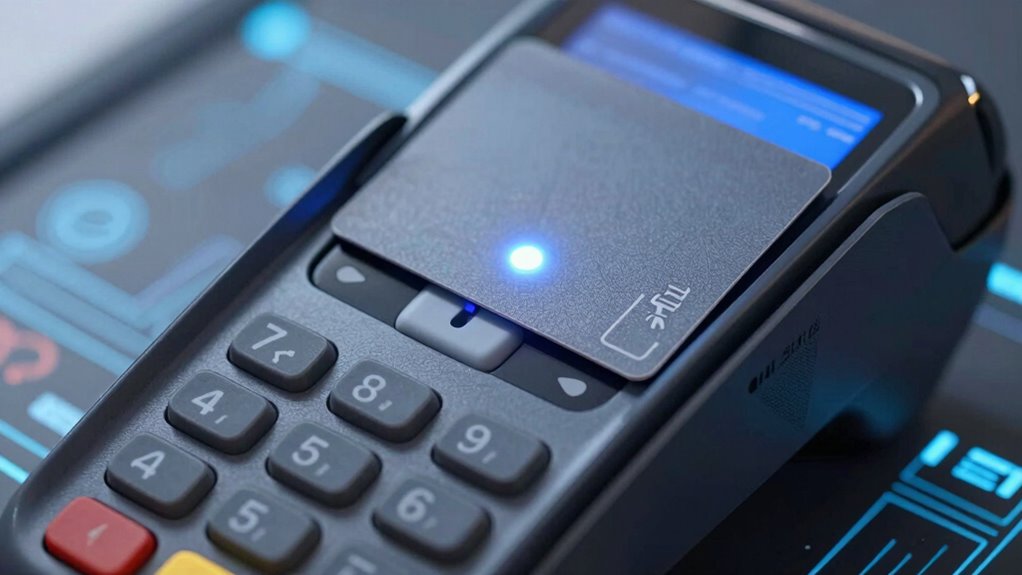

Stored credential indicators play a key role in your card processing. They determine the level of security needed, allowing you to handle recurring transactions with less customer authentication, which improves convenience. Properly setting these indicators helps you prevent fraud and maintain compliance with industry standards. They also make it easier to monitor transactions, detect suspicious activity, and ensure transparency. By managing these indicators correctly, you can streamline reconciliation and improve overall security—discover how these details impact your process as you continue.

Get smart everyday buys delivered free — and shop member deals
- Fast, free delivery on millions of items
- Access to Prime Big Deal Days deals on October 6–7
- Prime Video, Amazon Music and more included
Key Takeaways
- Stored Credential Indicators determine the level of authentication needed for subsequent transactions, affecting processing flow.
- They help differentiate between initial and recurring payments, influencing security protocols.
- Proper indicators enable fraud detection and monitoring by providing transaction context.
- Accurate indicator management streamlines reconciliation and transparency in processing records.
- Compliance with industry standards relies on correct use of stored credential indicators to ensure security and regulatory adherence.
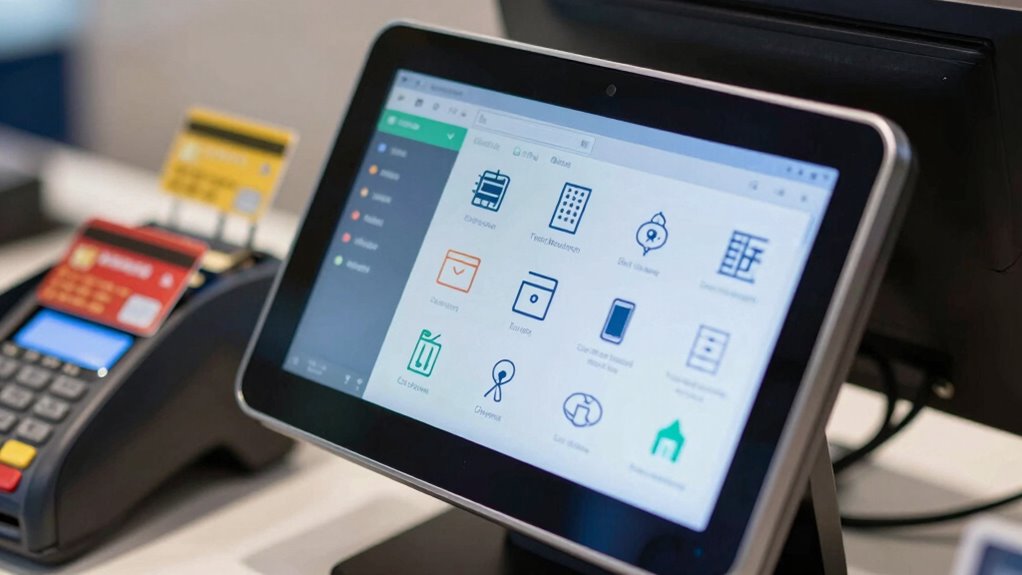
Stored credential indicators also impact the level of security required during processing. For example, a recurring transaction marked with a stored credential flag may not require the same level of customer authentication as a first-time purchase. This is *important* because it balances convenience with security, allowing seamless repeat transactions while maintaining safeguards against fraud. When these indicators are correctly set, they help prevent fraudulent activities by ensuring that only authorized transactions proceed under the appropriate conditions. They also provide transparency for merchants and issuers, enabling better monitoring and detection of suspicious activity. If a stored credential indicator indicates a transaction is a subsequent authorization, you can confidently apply the correct authentication protocols, which minimizes fraud risks. Additionally, understanding stored credential indicators helps streamline the reconciliation process and enhances overall transaction transparency. Proper management of these indicators can also influence the security protocols required, aligning with best practices for protecting sensitive data. Moreover, accurate indicator management is essential for maintaining compliance with industry standards and regulations.
stored credential indicator management tools
As an affiliate, we earn on qualifying purchases.
As an affiliate, we earn on qualifying purchases.
Frequently Asked Questions
How Do Stored Credential Indicators Impact Chargeback Processes?
Stored credential indicators help you identify whether a transaction is a recurring or stored credential, which impacts chargeback processes. By clearly marking these transactions, you improve fraud prevention and transaction transparency, making it easier to dispute unauthorized charges. This clarity helps you respond quickly to chargeback disputes, as you can show the transaction’s nature and authorization status, reducing financial losses and strengthening your fraud defenses.
Are There Security Risks Associated With Storing Credential Indicators?
Storing credential indicators is like guarding a treasure chest—you risk vulnerabilities if not secured properly. You face security risks like data breaches when sensitive info isn’t protected with strong data encryption. Implementing strict access control is essential; it’s your shield against unauthorized access. Without these measures, stored credential indicators become open windows for hackers, risking customer trust and financial loss. Proper security practices keep your data safe and your reputation intact.
How Do Different Card Networks Define Stored Credential Indicators?
Different card networks define stored credential indicators through specific credential management and indicator standards. These standards specify how merchants should communicate whether a credential is saved and its purpose. For example, Visa and Mastercard have distinct indicator standards that help you identify if a credential is a recurring or one-time use. Understanding these definitions guarantees proper handling during transactions, reducing errors and enhancing security in your card processing practices.
What Are the Compliance Requirements for Storing Credential Indicators?
You need to guarantee credential storage complies with regulatory standards like PCI DSS, which mandates secure handling and encryption of stored credential indicators. Regularly review your processes to maintain regulatory compliance, implement strong access controls, and keep detailed audit logs. Properly managing credential storage not only safeguards sensitive data but also helps you meet industry regulations, reducing the risk of data breaches and potential penalties associated with non-compliance.
How Do Stored Credential Indicators Affect Customer Experience?
Ever wonder how stored credential indicators impact your customers? They boost customer trust by ensuring transactions are transparent, showing clear authentication and authorization details. When these indicators are correctly used, your customers feel confident that their information is handled securely, leading to smoother, faster experiences. Conversely, improper handling can cause confusion or hesitation. So,using these indicators thoughtfully helps you build loyalty through transparency and trust in every transaction.
secure transaction monitoring software
As an affiliate, we earn on qualifying purchases.
As an affiliate, we earn on qualifying purchases.
Conclusion
As you navigate the world of card processing, understanding stored credential indicators helps you steer smoothly through the complex landscape. Think of these indicators as gentle guiding lights, subtly illuminating the path for secure and efficient transactions. By paying attention to these cues, you can avoid potential pitfalls and keep your processing journey on a steady course. Embracing this knowledge guarantees your transactions flow seamlessly, much like a calm river gracefully finding its way to the sea.
industry compliance payment security
As an affiliate, we earn on qualifying purchases.
As an affiliate, we earn on qualifying purchases.
fraud detection transaction tools
As an affiliate, we earn on qualifying purchases.
As an affiliate, we earn on qualifying purchases.
Fall Picks
fall essentials
As an affiliate, we earn on qualifying purchases.