For a practical starting point, I’d choose Personal Finance for Beginners: An Essential Guide to Budgeting and Managing Money as the best overall pick for its direct focus on core money habits. Personal Finance QuickStart Guide is a strong alternative for readers who want a wider path from financial stress toward wealth-building, while The Infographic Guide to Personal Finance suits people who learn visually. The main tradeoff is breadth versus focus: some books introduce many topics, while others concentrate on a specific age group, visual learning, or debt repayment. I compared all 13 options for clarity, useful beginner coverage, and fit for different readers. Continue reading for the full breakdown and help choosing the right starting point.

Get smart everyday buys delivered free with Prime
- Fast, free delivery on millions of items
- Prime Video, Amazon Music and more included
- Member-only deals all year
Key Takeaways
- The strongest starting points cover everyday money decisions. Budgeting and managing money are a more direct first step for many readers than a book built around a single wealth or debt philosophy.
- Broad coverage and focused instruction serve different needs. QuickStart and the general beginner guides aim to cover multiple parts of personal finance, while The Total Money Makeover centers on a defined debt-and-money plan.
- Visual learners have a distinct option. The Infographic Guide makes presentation its main point of difference, which may help readers who prefer diagrams to long explanations.
- Age-specific books are not interchangeable with general guides. The teen and young-adult titles speak to earlier financial decisions, while adult beginners may want broader coverage of their current obligations.
- Several titles have similar beginner-focused promises. Buyers should compare the actual emphasis—such as budgeting, saving, debt, or investing—rather than choosing by the word “beginner” alone.
| Financial Literacy Essentials For Dummies |  | Best for Building Financial Foundations | Title: Financial Literacy Essentials For Dummies | ASIN: 1394326165 | Subject: Financial literacy | VIEW LATEST PRICE | See Our Full Breakdown |
| Personal Finance For Dummies |  | Best Broad Personal Finance Reference | Title: Personal Finance For Dummies | ASIN: 1394207549 | Subject: Personal finance | VIEW LATEST PRICE | See Our Full Breakdown |
| How to Adult: Personal Finance for the Real World |  | Best for Everyday Adult Money Decisions | Title: How to Adult: Personal Finance for the Real World | ASIN: B08ZVZKD2H | Subject: Personal finance | VIEW LATEST PRICE | See Our Full Breakdown |
| Finance for Beginners: 101 Concepts | 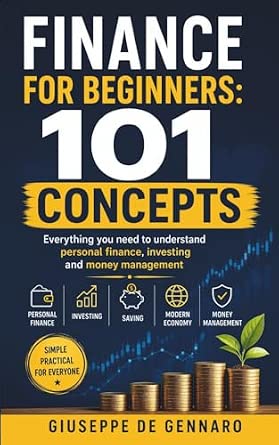 | Best for a Wide Beginner-Level Topic Mix | Title: Finance for Beginners: 101 Concepts | ASIN: B0H14HGBNC | Topics: Personal finance, investing, and money management | VIEW LATEST PRICE | See Our Full Breakdown |
| Personal Finance for Teens and Young Adults: Budgeting, Saving, and Investing |  | Best for Teens and Young Adults | Title: Personal Finance for Teens and Young Adults: Budgeting, Saving, and Investing | ASIN: B0GRJ2Q36X | Intended audience: Teens and young adults | VIEW LATEST PRICE | See Our Full Breakdown |
| Personal Finance for Beginners: An Essential Guide to Budgeting and Managing Money |  | Best for a Budgeting-First Start | Subject: Personal finance | Audience: Beginners | Stated focus: Budgeting and managing money | VIEW LATEST PRICE | See Our Full Breakdown |
| The Infographic Guide to Personal Finance: A Visual Reference for Everything You Need to Know | 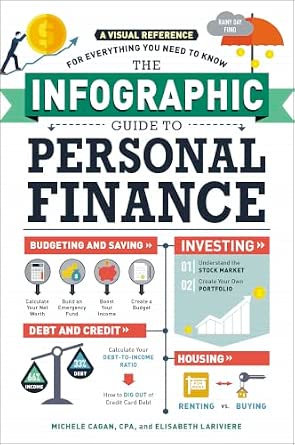 | Best Visual Reference | Subject: Personal finance | Presentation: Infographics | Stated purpose: Visual reference guide | VIEW LATEST PRICE | See Our Full Breakdown |
| Money Skills for Teens: A Beginner’s Guide to Budgeting, Saving, and Investing |  | Best for Teen Beginners | Audience: Teens | Level: Beginner | Topics: Budgeting, saving, and investing | VIEW LATEST PRICE | See Our Full Breakdown |
| Personal Finance for Beginners: A Complete Guide to Budgeting, Saving, Investing, and Getting Out of Debt |  | Best Broad-Scope Starter | Audience: Beginners | Topics: Budgeting, saving, investing, and getting out of debt | Series: Digital Income System | VIEW LATEST PRICE | See Our Full Breakdown |
| Personal Finance for Beginners: A Simple Guide to Taking Control of Your Financial Situation |  | Best for a Simple Money-Management Overview | Audience: Beginners | Format: Guide | Topics: Money management; investing basics | VIEW LATEST PRICE | See Our Full Breakdown |
| Personal Finance QuickStart Guide: A Beginner’s Guide to Reducing Financial Stress, Building Wealth, and Achieving Financial Freedom |  | Best for Reducing Money Stress | Title: Personal Finance QuickStart Guide: A Beginner’s Guide to Reducing Financial Stress, Building Wealth, and Achieving Financial Freedom | ASIN: 1945051019 | Category: Personal finance | VIEW LATEST PRICE | See Our Full Breakdown |
| Money Skills for Young Adults: A Beginner’s Guide to Smart Financial Habits |  | Best for Young Adults Building Money Habits | Title: Money Skills for Young Adults: A Beginner’s Guide to Smart Financial Habits | ASIN: B0FPG8KCQX | Category: Personal finance | VIEW LATEST PRICE | See Our Full Breakdown |
| The Total Money Makeover: Updated and Expanded |  | Best for Readers Seeking a Defined Financial-Peace Plan | Title: The Total Money Makeover: Updated and Expanded | ASIN: 140034252X | Format: Book | VIEW LATEST PRICE | See Our Full Breakdown |
| personal finance books for beginner | ASIN | Title |
|---|---|---|
| Financial Literacy Essentials | 1394326165 | Financial Literacy Essentials For Dummies |
| Personal Finance For Dummies | 1394207549 | Personal Finance For Dummies |
| How to Adult: Personal Finance | B08ZVZKD2H | How to Adult: Personal Finance for the Real World |
| Finance for Beginners: 101 Con | B0H14HGBNC | Finance for Beginners: 101 Concepts |
| Personal Finance for Teens and | B0GRJ2Q36X | Personal Finance for Teens and Young Adults: Budgeting, Saving, and Investing |
| Personal Finance for Beginners | B0CYC4TMCT | — |
| The Infographic Guide to Perso | 1507204663 | — |
| Money Skills for Teens: A Begi | 1915833094 | — |
| Personal Finance for Beginners | B0H6K9FTMZ | — |
| Personal Finance for Beginners | B087Z1MDTN | — |
| Personal Finance QuickStart Gu | 1945051019 | Personal Finance QuickStart Guide: A Beginner’s Guide to Reducing Financial Stress, Building Wealth, and Achieving Financial Freedom |
| Money Skills for Young Adults: | B0FPG8KCQX | Money Skills for Young Adults: A Beginner’s Guide to Smart Financial Habits |
| The Total Money Makeover: Upda | 140034252X | The Total Money Makeover: Updated and Expanded |
More Details on Our Top Picks
Financial Literacy Essentials For Dummies
Financial Literacy Essentials For Dummies is the clearest fit for a reader whose first goal is understanding basic money concepts rather than following a detailed financial plan. Its introductory focus gives it a narrower, foundation-first role beside Personal Finance For Dummies, whose broader subject suggests a wider reference-style approach. Compared with Finance for Beginners: 101 Concepts, the supplied information does not confirm a numbered or topic-by-topic format, so I would not choose it specifically for quick lessons. The main tradeoff is limited detail: the available description gives no chapter list, examples, or format, making it hard to judge how far it goes beyond basic literacy. It suits someone starting from scratch, but readers seeking targeted advice on investing, debt, or a particular life stage may want a more focused guide.
Pros:- Explicitly positioned as an introductory financial literacy guide
- A foundation-first choice for readers who need basic concepts before a broader guide
- The title clearly signals an accessible starting level
Cons:- The available product data does not identify its topics, chapter structure, or examples
- Its introductory scope may not provide enough depth for readers seeking a detailed action plan
Best for: Readers with little prior money knowledge who want an introductory starting point before tackling more detailed personal finance advice.
Not ideal for: Readers who already understand basic financial terms or want confirmed, in-depth guidance on investing, debt repayment, or a specific financial decision.
- Title:Financial Literacy Essentials For Dummies
- ASIN:1394326165
- Subject:Financial literacy
- Stated level:Introductory
- Product type:Book
- Series named in title:For Dummies
Our verdict“Choose this as a starting point if you need an introduction to financial literacy, not a confirmed deep guide to a specific money topic.”
Personal Finance For Dummies
Personal Finance For Dummies is the broadest-sounding option in this group: its title covers personal finance as a whole rather than a single age group or a stated set of concepts. That makes it a plausible pick for beginners who want one general starting reference, while Financial Literacy Essentials For Dummies is more explicitly framed around introductory financial understanding. The difference matters: choose this one if you want a wider subject umbrella, and the literacy-focused book if the first task is learning foundational ideas. The tradeoff is that the provided description offers no chapter list or named topics, so breadth is suggested by the title rather than documented in detail. It also lacks a stated audience or format, which leaves buyers without confirmation about how accessible or action-oriented the material is.
Pros:- The title signals a broad personal finance scope
- May suit readers looking for a general reference rather than a narrow topic guide
- Shares an approachable series identity with Financial Literacy Essentials For Dummies
Cons:- The supplied description does not specify the topics or depth of coverage
- No audience level, examples, or format details are provided to help judge accessibility
Best for: New learners who want a general personal finance book rather than one limited to a specific age group or single money skill.
Not ideal for: Readers who need confirmed coverage of a particular subject, such as investing or budgeting, or who prefer a clearly documented lesson structure.
- Title:Personal Finance For Dummies
- ASIN:1394207549
- Subject:Personal finance
- Product type:Book
- Series named in title:For Dummies
- Stated format:Not specified
Our verdict“Pick this if you want a general personal finance starting point and are comfortable with limited information about its specific coverage.”
How to Adult: Personal Finance for the Real World
How to Adult: Personal Finance for the Real World earns its place through its practical, everyday framing. It is aimed at money management as it shows up in adult life, which gives it a more applied identity than Financial Literacy Essentials For Dummies, described as an introductory guide to financial understanding. That distinction can help a reader choose: start with literacy basics if financial terms feel unfamiliar, or consider this title if the priority is handling ordinary adult money responsibilities. Compared with Personal Finance for Teens and Young Adults: Budgeting, Saving, and Investing, its description is less age-specific, so it may appeal beyond younger readers. The limitation is that no individual lessons, examples, or format are supplied; the practical promise is clear, but the precise advice and depth cannot be verified from the available data.
Pros:- Explicitly focuses on practical money management
- Everyday adult-life framing distinguishes it from foundational literacy titles
- Less age-restricted in its description than the teens and young adults guide
Cons:- The available details do not identify specific lessons or financial topics
- Format and depth are not provided, so readers cannot judge how actionable the guidance is
Best for: Adults seeking a practical introduction to managing money in day-to-day life rather than a guide aimed specifically at teens or young adults.
Not ideal for: Readers who need a clearly specified curriculum, detailed investing instruction, or confirmation of the book’s examples and format before choosing.
- Title:How to Adult: Personal Finance for the Real World
- ASIN:B08ZVZKD2H
- Subject:Personal finance
- Stated focus:Practical money management
- Context:Everyday adult life
- Product type:Book
Our verdict“Choose this for an everyday adult-life framing, but look elsewhere if you need confirmed topic-by-topic detail.”
Finance for Beginners: 101 Concepts
Finance for Beginners: 101 Concepts stands out for naming three subject areas—personal finance, investing, and money management—while clearly identifying beginners as its intended audience. That makes its scope easier to assess than Personal Finance For Dummies, whose supplied details name no specific topics. It also appears broader than Financial Literacy Essentials For Dummies in subject coverage, though the description does not explain how the 101 concepts are organized or how much depth each receives. For a new learner who wants exposure to several money areas, that range may be useful; for someone who needs a focused plan, it could spread attention across too many subjects. The biggest caveat is missing detail about the format, examples, and individual concepts, so the title’s number alone cannot confirm how accessible or practical the lessons are.
Pros:- Names personal finance, investing, and money management as covered topics
- Explicitly designed for beginners
- The stated 101-concept framing suggests a broad survey rather than a single-topic guide
Cons:- The supplied description does not list the individual concepts or explain their order
- No details are provided about format, examples, or depth of instruction
Best for: Beginners who want one book introducing personal finance, investing, and money management rather than concentrating on a single area.
Not ideal for: Readers who want detailed instruction in one subject or need a confirmed lesson format and specific examples before buying.
- Title:Finance for Beginners: 101 Concepts
- ASIN:B0H14HGBNC
- Topics:Personal finance, investing, and money management
- Intended audience:Beginners
- Concept count named in title:101
- Product type:Book
Our verdict“Choose this for a beginner-level survey across several money topics, not for a confirmed in-depth course in one subject.”
Personal Finance for Teens and Young Adults: Budgeting, Saving, and Investing
Personal Finance for Teens and Young Adults has the clearest audience match in this set: it is designed for younger readers and names budgeting, saving, and investing as its central topics. That makes it more targeted than How to Adult: Personal Finance for the Real World, which focuses on everyday adult money management without a stated age range. Compared with Finance for Beginners: 101 Concepts, this title trades a broad survey for an age-specific practical-skills focus. The approach may help younger learners connect money habits to financial independence, but the description does not detail the lessons or examples, so buyers cannot tell how investing is handled or how much real-world guidance it provides. The age-specific framing is also a limitation for older beginners who want a guide written for a wider adult audience.
Pros:- Specifically tailored to teens and young adults
- Covers budgeting, saving, and investing
- Connects practical money skills with the goal of financial independence
Cons:- The available description does not explain the lessons or provide examples
- Age-specific framing may feel less relevant to older beginner readers
- Format and length are not specified
Best for: Teens and young adults beginning to budget, save, and learn about investing as they work toward greater financial independence.
Not ideal for: Older beginners seeking a broadly age-neutral personal finance reference or readers who need confirmed detail on the book’s lessons and examples.
- Title:Personal Finance for Teens and Young Adults: Budgeting, Saving, and Investing
- ASIN:B0GRJ2Q36X
- Intended audience:Teens and young adults
- Topics:Budgeting, saving, and investing
- Stated goal:Build practical money skills and work toward financial independence
- Product type:Book
Our verdict“Choose this for a young reader who wants age-targeted guidance across budgeting, saving, and investing.”
Personal Finance for Beginners: An Essential Guide to Budgeting and Managing Money
Budgeting and money management are the clearest signals in this book’s title, making it a plausible starting point for readers who want a foundation before tackling investing. Compared with Personal Finance for Beginners: A Complete Guide to Budgeting, Saving, Investing, and Getting Out of Debt, this title signals a narrower focus, which may suit someone who wants to start with day-to-day money habits rather than several subjects at once. The limitation is the thin available description: it does not confirm the specific lessons, format, or how deeply budgeting is explained. I’d choose it for a reader who prefers a focused introduction, but not for someone who needs verified coverage of debt payoff, saving, or investing. Its appeal rests on a clear beginner promise, with less detail available to judge how fully the book delivers.
Pros:- Explicitly aimed at beginners
- Title foregrounds budgeting and money management
- A focused starting point may feel more approachable than a broad multi-topic guide
Cons:- Available information does not confirm the contents beyond its general subject
- No format or additional specifications are provided
- Coverage of saving, investing, and debt is not established
Best for: New budgeters who want an introductory resource centered on managing everyday money and do not need confirmed investing coverage.
Not ideal for: Readers choosing a book based on detailed topic coverage, a known format, or explicit guidance on saving, investing, and debt repayment.
- Subject:Personal finance
- Audience:Beginners
- Stated focus:Budgeting and managing money
- Format:Not specified in provided product data
- Series:Not specified in provided product data
- ASIN:B0CYC4TMCT
Our verdict“Choose this for a budgeting-first introduction, but pick the broader Complete Guide if you want named coverage of saving, investing, and debt.”
The Infographic Guide to Personal Finance: A Visual Reference for Everything You Need to Know
Infographics and visual reference give this entry a distinct role for beginners who find dense financial explanations hard to follow. Unlike Personal Finance for Beginners: An Essential Guide to Budgeting and Managing Money, which signals a budgeting-led introduction, this book presents itself as a visual guide across personal finance. That format may make ideas easier to scan and revisit, though the available product details do not identify its specific topics or explain how much depth each receives. I’d favor it as a companion for readers who learn well from visual summaries, rather than as a sole resource for decisions that call for step-by-step instruction. Its place in the Infographic Guide Series clarifies the presentation style, but not whether it covers a beginner’s particular questions in sufficient detail.
Pros:- Uses infographics to present personal finance information
- Designed as a visual reference rather than only a conventional text guide
- Series identity makes its presentation approach clear
Cons:- Provided information does not specify which personal finance topics it covers
- The depth of explanation is not stated
- A visual reference format may not provide the step-by-step guidance some beginners need
Best for: Visual learners who want a browsable personal finance reference and are comfortable checking whether its coverage matches their needs.
Not ideal for: Beginners seeking confirmed instruction on a specific task, such as building a budget or paying down debt, since the available details do not list its topics or depth.
- Subject:Personal finance
- Presentation:Infographics
- Stated purpose:Visual reference guide
- Series:Infographic Guide Series
- Format:Book
- ASIN:1507204663
Our verdict“Pick this if visual summaries help you learn, but choose a guide with confirmed topic coverage when you need instruction on a specific money task.”
Money Skills for Teens: A Beginner’s Guide to Budgeting, Saving, and Investing
Teen-focused personal finance is the defining advantage here: the book is aimed at younger readers learning core money habits, rather than adults seeking a broad financial handbook. Its stated topics—budgeting, saving, and investing—offer a clear starter mix. Compared with Personal Finance for Beginners: A Complete Guide to Budgeting, Saving, Investing, and Getting Out of Debt, this title shares several topics but is specifically framed for teens; the other title explicitly adds getting out of debt. That makes this a natural fit for a teen’s first pass at financial skills, while an adult wanting debt strategies may find the alternative more directly relevant. The provided details do not describe the teaching approach or format, so I would not assume how much detail it gives each subject.
Pros:- Explicitly designed for teens and beginner learners
- Names budgeting, saving, and investing as covered topics
- Belongs to the Life Skills for Tweens, Teens & Young Adults series
Cons:- Getting out of debt is not listed among its stated topics
- The available description does not establish the depth of coverage
- Format and teaching style are not specified in the provided data
Best for: Teenagers beginning to learn budgeting, saving, and investing, especially those who want material explicitly aimed at their age group.
Not ideal for: Adults looking for detailed debt-repayment guidance or readers who need a confirmed format and fuller description of the book’s teaching approach.
- Audience:Teens
- Level:Beginner
- Topics:Budgeting, saving, and investing
- Series:Life Skills for Tweens, Teens & Young Adults
- Format:Not specified in provided product data
- ASIN:1915833094
Our verdict“Choose this for a teen’s introduction to everyday money skills; adults needing debt guidance should look to a guide that explicitly covers it.”
Personal Finance for Beginners: A Complete Guide to Budgeting, Saving, Investing, and Getting Out of Debt
Four named money topics make this the broadest-scope option in this group: budgeting, saving, investing, and getting out of debt. That explicit coverage gives beginners a clearer sense of what they may find than the sparse description for Personal Finance for Beginners: An Essential Guide to Budgeting and Managing Money. It is also less age-specific than Money Skills for Teens, so its stated audience can suit a wider range of new learners. The tradeoff is breadth: the available details do not show how deeply each subject is treated, and a single beginner guide may not answer every specialized question. As the first book in the Digital Income System series, it may appeal to readers interested in following a sequence, though the series label alone does not establish what later books cover.
Pros:- Explicitly lists four core personal finance topics
- Designed for beginners
- Includes getting out of debt alongside budgeting, saving, and investing
- Identified as the first book in a series
Cons:- Available information does not establish the depth devoted to each topic
- Format is not specified in the provided data
- The series description does not clarify what additional books cover
Best for: Adult beginners who want one starting point that explicitly names budgeting, saving, investing, and debt reduction.
Not ideal for: Readers seeking a focused deep treatment of one subject, or anyone who needs verified detail about the book’s format and level of instruction.
- Audience:Beginners
- Topics:Budgeting, saving, investing, and getting out of debt
- Series:Digital Income System
- Book number:1
- Format:Not specified in provided product data
- ASIN:B0H6K9FTMZ
Our verdict“Pick this if you want the widest stated topic range in one beginner guide, while recognizing that the available details do not show its depth.”
Personal Finance for Beginners: A Simple Guide to Taking Control of Your Financial Situation
Simple money management and basic investing set this guide apart from the more topic-explicit Personal Finance for Beginners: A Complete Guide to Budgeting, Saving, Investing, and Getting Out of Debt. This book’s stated aim—helping readers take control of their financial situation—may appeal to someone who wants a general orientation rather than a list of distinct financial tasks. Its product details confirm coverage of money management and investing basics, but do not name budgeting, saving, or debt repayment individually, so readers looking for those topics should favor the Complete Guide or the teen book’s clearly stated subject list. The description also does not reveal how the guide explains its material. I’d treat it as a straightforward entry point, not a substitute for targeted instruction when a specific financial challenge needs attention.
Pros:- Designed for beginners
- Covers money management
- Includes investing basics
- Has a stated focus on taking control of personal finances
Cons:- Budgeting, saving, and debt repayment are not specifically listed in the provided topic data
- The description does not establish the depth of its investing guidance
- Teaching approach beyond the general guide format is not specified
Best for: New adult learners who want a general guide to managing money and an introduction to investing basics.
Not ideal for: Readers who specifically need confirmed instruction on budgeting, saving, or getting out of debt, since those topics are not listed in the provided details.
- Audience:Beginners
- Format:Guide
- Topics:Money management; investing basics
- Stated aim:Taking control of your financial situation
- Series:Not specified in provided product data
- ASIN:B087Z1MDTN
Our verdict“Choose this for a simple introduction to money management and investing basics, but prefer the Complete Guide for explicitly listed debt and saving coverage.”
Personal Finance QuickStart Guide: A Beginner’s Guide to Reducing Financial Stress, Building Wealth, and Achieving Financial Freedom
Personal Finance QuickStart Guide is aimed at beginners who want money guidance framed around easing financial stress and working toward wealth, rather than a narrow focus on one task. That broad purpose may appeal to readers who feel overwhelmed and want a starting point. Compared with Money Skills for Young Adults, which names budgeting, saving, and investing as topics, the information available for this guide does not spell out its specific subject coverage. That makes it harder to tell whether it offers concrete steps for a reader’s immediate needs. I’d choose it for its stress-reduction and financial-freedom framing, but not if a detailed topic list or a clearly described format is a deciding factor. Its promise is accessible; the tradeoff is limited information about how it delivers on that promise.
Pros:- Explicitly designed for beginners
- Frames personal finance around reducing financial stress
- Connects wealth-building with a broader goal of financial freedom
Cons:- The available description does not identify specific financial topics or methods
- The book’s format and scope are not provided, making it difficult to judge how practical or detailed it is
Best for: Beginners who feel anxious about money and want a broad introduction framed around reducing financial stress and building wealth.
Not ideal for: Readers seeking a clearly itemized curriculum on budgeting, investing, or debt repayment, since the supplied description does not specify the guide’s topics or format.
- Title:Personal Finance QuickStart Guide: A Beginner’s Guide to Reducing Financial Stress, Building Wealth, and Achieving Financial Freedom
- ASIN:1945051019
- Category:Personal finance
- Audience:Beginners
- Stated focus:Reducing financial stress
- Additional stated focus:Building wealth and working toward financial freedom
Our verdict“Choose this guide if a reassuring, broad money introduction matters more to you than a clearly listed set of lessons.”
Money Skills for Young Adults: A Beginner’s Guide to Smart Financial Habits
Money Skills for Young Adults earns its place by naming a practical set of beginner topics: budgeting, saving for goals, investing, and preparing for greater independence. That gives young readers a clearer preview of its scope than Personal Finance QuickStart Guide, whose supplied description does not list specific lessons. Its emphasis on habits also suits someone learning to manage money regularly, not just looking for a one-time explanation of financial concepts. The tradeoff is that the description does not identify exercises, tools, or the level of detail, so I can’t tell whether it offers step-by-step practice or a broad overview. Compared with the more general The Total Money Makeover, this title is explicitly pitched to young adults and covers several foundational areas, but its particular approach to debt or investing is unspecified.
Pros:- Names budgeting, saving for goals, and investing as covered topics
- Targets young adults and beginners directly
- Emphasizes repeatable financial habits and independence
- Connects day-to-day money management with a more secure future
Cons:- No specific tools, exercises, or teaching format are described
- The depth of its investing and other topic coverage is unclear
Best for: Young adults setting up their first budget, savings goals, and basic investing habits as they move toward financial independence.
Not ideal for: Readers who want a specified workbook, detailed investing instruction, or a clearly described debt-repayment method, since those features are not stated in the available information.
- Title:Money Skills for Young Adults: A Beginner’s Guide to Smart Financial Habits
- ASIN:B0FPG8KCQX
- Category:Personal finance
- Audience:Young adults and beginners
- Stated topic:Budgeting
- Stated topic:Saving for goals
- Stated topic:Investing
- Stated focus:Financial habits, independence, and future security
Our verdict“Pick this book if you are a young adult seeking a broad foundation in everyday money habits, rather than a specialized guide to one topic.”
The Total Money Makeover: Updated and Expanded
The Total Money Makeover: Updated and Expanded stands apart from the other two books here because its description presents it as a plan for pursuing financial peace, rather than a general introduction to money skills. That may suit a beginner who wants a guiding framework; Money Skills for Young Adults is a clearer match for readers seeking named topics such as budgeting, saving, and investing. The limits are substantial for comparison: the available details do not explain the plan’s steps, intended audience, or the subjects it covers. The updated-and-expanded edition label identifies the edition, but does not tell me what changed or how much detail the book provides. I’d shortlist it for its plan-based framing, while readers who need a transparent topic list may prefer the more specifically described alternatives.
Pros:- Presents personal finance as a plan toward financial peace
- Identified as an updated and expanded edition
- Offers a different, plan-centered framing from the broader habit-focused Money Skills for Young Adults
Cons:- The supplied description does not explain the plan’s steps or methods
- Its specific topic coverage and intended reader level are not provided
- The available information does not clarify what was updated or expanded
Best for: Beginners who prefer a book framed around following a personal-finance plan toward greater financial peace.
Not ideal for: Readers who want a confirmed lesson list, a young-adult focus, or details about the plan’s specific steps before choosing a book.
- Title:The Total Money Makeover: Updated and Expanded
- ASIN:140034252X
- Format:Book
- Edition:Updated and expanded
- Category:Personal finance
- Stated approach:A plan for achieving financial peace
Our verdict“Choose this if a plan-centered approach appeals to you, but favor a more fully described beginner guide if you need to compare specific lessons.”

How We Picked
I ranked these books by how well their stated focus serves someone learning personal finance, not by how many topics their titles promise. My main criteria were accessible presentation, attention to core decisions such as budgeting and saving, clear audience fit, and whether a book offers a distinct approach rather than duplicating another broad introduction. I also considered whether a reader could identify the book’s intended use before buying: a general foundation, a visual reference, a youth-focused introduction, or a more directed debt plan.
The top positions go to books that appear best suited to giving a beginner a usable foundation without requiring a narrow audience or a single financial philosophy. Specialized titles rank well for readers who match their intended audience or learning style, but they are less adaptable as an all-purpose first book. Where several titles make similar promises, I treat that overlap as a reason to check chapter coverage and sample pages before choosing; the title alone does not establish which guide explains a subject more clearly or in greater depth.
Factors to Consider When Choosing Personal Finance Books For Beginners
I’d choose a personal finance book by the decision I need help making now, then check whether it provides enough context for what comes next. A beginner guide can be useful without covering every financial topic, but its focus should match your current questions.
Start With Your Immediate Money Question
Before choosing a broad guide, name the task you want to tackle first: making a budget, starting savings, understanding debt, or learning basic investing terms. A book focused on your immediate question may help you take action sooner than a wide-ranging introduction. The tradeoff is that a narrow guide may leave other parts of your finances for later reading. Avoid buying several books with nearly identical general titles before checking their contents. If your questions span several areas, choose one broad foundation and treat specialized books as follow-ups.
Match the Book to Your Age and Financial Stage
Age labels can signal a different set of examples and starting assumptions, not just a simpler writing style. A teen may need explanations of first earnings, spending choices, and saving habits, while an adult may need material that addresses established bills or debt. A youth-focused title can feel less relevant if its examples do not reflect your responsibilities. On the other hand, a general adult guide may skip situations a younger reader is encountering for the first time. Look for a clear match between the book’s intended audience and the decisions you actually face.
Choose a Learning Format You Will Use
Presentation affects whether you return to a book when a money question comes up. Visual references can make relationships between concepts easier to scan, while prose-based guides may allow more room for explanation and context. Neither format is automatically easier: a diagram can simplify an idea but leave a reader wanting more detail. If you prefer learning in short sessions, check whether the material is organized into accessible topics. When possible, preview a sample chapter instead of assuming that “simple” or “visual” means right for you.
Check How the Book Handles Debt and Investing
Beginner books can differ sharply when they move from basic money habits to debt repayment or investing. Some introduce several concepts, while a plan-oriented book may lead readers through a particular sequence. A defined method can be easier to follow, but it may not suit every financial situation or preference. Before committing, check whether the book explains the reasoning behind its recommendations and whether it addresses the topics you need. Do not mistake a confident plan for personalized financial advice; your circumstances may call for additional research or professional help.
Look for Practical Guidance, Not Just Broad Promises
Titles that promise a complete guide can cover many subjects without giving each one the detail you want. Scan the contents for concrete topics and examples that connect to your decisions, rather than judging by the number of subjects listed on the cover. A book that helps you build a basic spending plan may be more useful at first than one that mentions every major financial topic. Also check whether it explains terms in plain language before relying on them. The tradeoff is simple: broader coverage offers orientation, while focused instruction can provide more room for a particular task.
Decide Whether You Need a Foundation or a Reference
A first book and a book you consult repeatedly can serve different purposes. A step-by-step introduction may be easier to read from beginning to end, while a visual or topic-organized guide may be more convenient to revisit. Some beginners benefit from reading one foundation book and keeping a separate reference for questions that arise later. Buying multiple introductory books at once can create overlap without adding much clarity. Choose the format that suits your reading habits and the way you expect to use the material after the first read.
Frequently Asked Questions
Which kind of personal finance book should I read first if I have no budget?
I’d begin with a general guide that gives budgeting and managing money clear attention, rather than starting with an investing-only or debt-only book. A basic spending plan can help you see what questions matter most in your own situation. The Essential Guide title is positioned around budgeting and money management, making it a natural first candidate in this lineup. If you prefer diagrams, the Infographic Guide may be an easier format to approach. Check a sample or contents page to confirm the explanations match your reading style.
Should I choose a general beginner guide or The Total Money Makeover?
Choose a general guide if you want orientation across several personal finance topics before committing to one approach. The Total Money Makeover is a more directed choice for readers seeking a structured debt-and-money plan. A focused method can make the next steps easier to follow, but it may not answer every question about budgeting, investing, or other financial decisions. Read the book’s description and sample material to see whether its approach fits your situation. If you are unsure, a broad foundation may help you identify which specialized guidance you need afterward.
Are teen and young-adult finance books suitable for adult beginners?
They can be useful if you want an approachable introduction, but their intended audience may shape the examples and topics. A reader who is just learning basic money habits might still find them accessible. Adults handling more established expenses may prefer a general guide that better reflects their current responsibilities. Compare the contents rather than assuming that a youth label means the book is too simple or that a general title covers every adult concern. The best fit depends on the financial decisions you need to understand now.
Is a visual personal finance book enough to learn the basics?
A visual guide can be a helpful entry point when charts and compact explanations make unfamiliar topics easier to approach. It may not provide as much room for detailed reasoning or extended examples as a prose-led book. If you use a visual reference, notice which questions it answers well and where you still need fuller explanations. Pairing it with a broad beginner guide can work better than expecting one format to do everything. Previewing sample pages is a useful way to judge whether the visuals clarify or oversimplify the material for you.
How can I tell whether a book called “complete” covers what I need?
Use the contents page as your guide rather than taking “complete” as a promise that every topic receives equal depth. Look for the subjects behind your immediate questions, such as budgeting, saving, investing, or debt, and check whether the book offers practical explanations of them. A broad guide can be a strong orientation tool while still leaving advanced or personal situations outside its scope. If a topic is central to your needs, look for a book that gives it dedicated attention. This approach helps you avoid buying based on a broad title alone.
Conclusion
For a single first book, I’d choose Personal Finance for Beginners: An Essential Guide to Budgeting and Managing Money as the best overall fit for readers seeking a practical foundation. Best value in scope goes to Finance for Beginners: 101 Concepts for readers who want a compact introduction to many basic ideas, though its breadth may not replace deeper guidance. For a wider money roadmap, consider the Personal Finance QuickStart Guide as the premium-style pick in this lineup; check its contents for the depth you want before buying. Personal Finance for Dummies is my best-for-beginners alternative for readers who prefer a familiar, broad introduction, while The Infographic Guide to Personal Finance is the specific pick for visual learners. Teens and young adults should start with a title written for their stage, and readers seeking a defined debt plan may prefer The Total Money Makeover. Choose based on the money decision and learning format you need most, rather than the broadest promise on a cover.