
The best personal finance book for most students is It’s Not Common Cent$, a 30-day crash course built specifically around college life — dorm budgets, student loans, and first credit cards — rather than generic adult advice retrofitted for a younger audience. Two other standouts: The Definitive Guide to Personal Finance for Teens and Young Adults offers the broadest coverage for less confident beginners, and Get a Financial Life is the strongest choice for upperclassmen and recent grads facing real salaries, leases, and 401(k)s for the first time. The main tradeoff in this category is between structured, workbook-style learning (better for building habits) and reference-style guides (better for looking things up as situations arise). Price matters less than you’d think — several of the cheapest options outperform the priciest textbooks — but format, tone, and whether a book assumes you have income at all make a bigger difference than most buyers expect. Keep reading for the full breakdown of all 15 titles.

Get smart everyday buys delivered free with Prime
- Fast, free delivery on millions of items
- Prime Video, Amazon Music and more included
- Member-only deals all year
Key Takeaways
- Books written specifically for college students consistently beat general-audience titles like Personal Finance For Dummies because they address student loans, meal plans, and zero-income budgeting instead of skipping straight to mortgages and investing.
- Textbook-style entries (Glencoe, Personal Finance Student Edition, Business and Personal Finance) are the most thorough but also the most expensive and least practical for self-study — they assume a classroom teacher is filling in the gaps.
- The 30-day and workbook formats (It’s Not Common Cent$, Personal Finance for Teens Workbook) produced the clearest path from reading to action, which matters more than raw page count for students with limited attention and time.
- Get a Financial Life is the only pick that meaningfully covers post-graduation money decisions, making it the best final-year purchase even though it’s weak on the college-specific basics.
- Visual learners have one genuinely strong option — The Infographic Guide — while most of the teen-focused titles are text-dense despite marketing themselves as accessible.
| Glencoe Personal Finance, Student Edition |  | Best Textbook-Style Foundation | Format: Print student edition textbook | Audience: Middle and high school students | Topics covered: Budgeting, saving, investing, credit management | VIEW LATEST PRICE | See Our Full Breakdown |
| The Definitive Guide to Personal Finance for Teens and Young Adults |  | Best for Building Early Habits | Format: Paperback / digital | Audience: Teens and young adults | Topics covered: Money management habits, saving, investing basics | VIEW LATEST PRICE | See Our Full Breakdown |
| It’s Not Common Cent$: A 30-Day Personal Finance Crash Course for College Students and Young Adults | 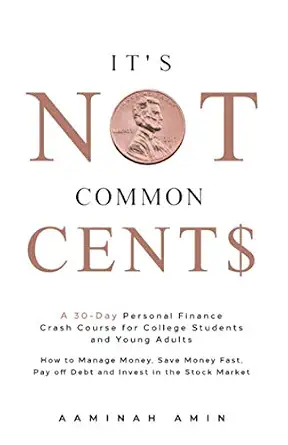 | Best Structured Action Plan | Format: Paperback / digital | Audience: College students and young adults | Structure: 30-day daily lesson plan | VIEW LATEST PRICE | See Our Full Breakdown |
| Personal Finance for Teens and Young Adults: Learn Money Skills Not Taught in School |  | Best Real-World Skills Focus | Format: Paperback / digital | Audience: Teens and young adults | Topics covered: Budgeting, saving, practical money management | VIEW LATEST PRICE | See Our Full Breakdown |
| The Complete Guide to Personal Finance for Teenagers and College Students – Revised 2nd Edition |  | Best Proven Classic for Students | Format: Paperback | Edition: Revised 2nd edition | Audience: Teenagers and college students | VIEW LATEST PRICE | See Our Full Breakdown |
| Personal Finance, Student Edition |  | Best Classroom-Style Structure | Format: Print textbook, student edition | Audience: High school and early college students | Core Topics: Budgeting, saving, investing, debt management | VIEW LATEST PRICE | See Our Full Breakdown |
| Personal Finance 101: From Saving and Investing to Taxes and Loans, an Essential Primer on Personal Finance |  | Best Broad-Topic Primer | Format: Print and ebook primer | Audience: Beginners, college students, young adults | Core Topics: Saving, investing, taxes, loans | VIEW LATEST PRICE | See Our Full Breakdown |
| How to Adult: Personal Finance for the Real World |  | Best for Post-Grad Realities | Format: Print and digital | Audience: Young adults, recent grads, beginners | Core Topics: Budgeting, financial planning, day-to-day money management | VIEW LATEST PRICE | See Our Full Breakdown |
| Personal Finance for Teens Workbook: American Edition |  | Best Interactive Learning | Format: Print workbook with exercises | Audience: Teens, American edition | Core Topics: Budgeting, saving, credit | VIEW LATEST PRICE | See Our Full Breakdown |
| Personal Finance for Teens and College Students: 101 Money Secrets You Wish You Learned in High School |  | Best Quick-Read Format | Format: Print and ebook, tip-list style | Audience: Teens and college students | Core Topics: Budgeting, saving, investing basics | VIEW LATEST PRICE | See Our Full Breakdown |
| Personal Finance For Dummies |  | Best All-Around Reference | Format: Paperback / ebook | Target Audience: Adult beginners, including students | Topics Covered: Budgeting, saving, investing, debt management, insurance, retirement | VIEW LATEST PRICE | See Our Full Breakdown |
| Business and Personal Finance, Student Edition |  | Best Classroom-Style Textbook | Format: Hardcover student textbook | Target Audience: High school and college students | Topics Covered: Personal finance, business finance, recordkeeping, financial planning | VIEW LATEST PRICE | See Our Full Breakdown |
| Get a Financial Life: Personal Finance in Your Twenties and Thirties |  | Best for Post-Grad Life Launch | Format: Paperback / ebook / audiobook | Target Audience: Young adults in their twenties and thirties | Topics Covered: Budgeting, saving, investing, debt management, insurance, taxes | VIEW LATEST PRICE | See Our Full Breakdown |
| The Infographic Guide to Personal Finance | 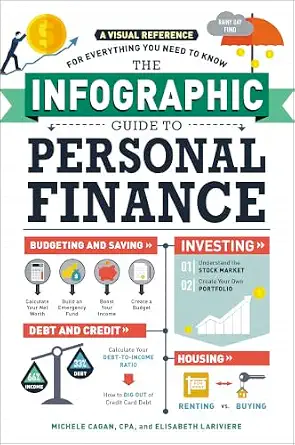 | Best Quick-Reference Visual Guide | Format: Paperback, illustrated | Target Audience: Beginners and visual learners | Topics Covered: Budgeting, money management, investing, financial planning | VIEW LATEST PRICE | See Our Full Breakdown |
| The Beginner’s Guide to Personal Finance: Everything Teens and College Students Need to Know About Managing Money Before Leaving Home |  | Best Pre-College Starter | Format: Paperback / ebook | Target Audience: Teens and college students | Topics Covered: Money management fundamentals, budgeting, banking basics, spending habits | VIEW LATEST PRICE | See Our Full Breakdown |
| personal finance books for student | Format | Depth level | Audience | Topics covered |
|---|---|---|---|---|
| Glencoe Personal Finance | Print student edition textbook | — | Middle and high school students | Budgeting, saving, investing, credit management |
| The Definitive Guide to Person | Paperback / digital | Beginner to early intermediate | Teens and young adults | Money management habits, saving, investing basics |
| It’s Not Common Cent$: A 30-Da | Paperback / digital | Beginner | College students and young adults | Money management, saving, debt payoff, stock market basics |
| Personal Finance for Teens and | Paperback / digital | Beginner | Teens and young adults | Budgeting, saving, practical money management |
| The Complete Guide to Personal | Paperback | Beginner primer | Teenagers and college students | Budgeting, saving, investing basics |
| Personal Finance | Print textbook, student edition | Beginner to intermediate fundamentals | High school and early college students | — |
| Personal Finance 101: From Sav | Print and ebook primer | Beginner | Beginners, college students, young adults | — |
| How to Adult: Personal Finance | Print and digital | Beginner | Young adults, recent grads, beginners | — |
| Personal Finance for Teens Wor | Print workbook with exercises | Beginner / teen fundamentals | Teens, American edition | — |
| Personal Finance for Teens and | Print and ebook, tip-list style | Beginner, entry-level | Teens and college students | — |
| Personal Finance For Dummies | Paperback / ebook | Beginner to intermediate | — | Budgeting, saving, investing, debt management, insurance, retirement |
| Business and Personal Finance | Hardcover student textbook | Introductory to intermediate, course-paced | — | Personal finance, business finance, recordkeeping, financial planning |
| Get a Financial Life: Personal | Paperback / ebook / audiobook | Beginner, life-stage specific | — | Budgeting, saving, investing, debt management, insurance, taxes |
| The Infographic Guide to Perso | Paperback, illustrated | Beginner overview | — | Budgeting, money management, investing, financial planning |
| The Beginner’s Guide to Person | Paperback / ebook | Absolute beginner | — | Money management fundamentals, budgeting, banking basics, spending habits |
More Details on Our Top Picks
Glencoe Personal Finance, Student Edition
Glencoe Personal Finance is the closest thing on this list to an actual classroom curriculum, and that’s both its superpower and its limitation. Where It’s Not Common Cent$ moves fast through a 30-day sprint, this textbook builds understanding chapter by chapter across budgeting, credit, saving, and investing with exercises that reinforce each concept. This structure makes it the strongest option for a student who genuinely wants to learn personal finance as an academic subject rather than grab quick tips. The tradeoff is tone: it reads like a course textbook, not a breezy self-help guide, so readers wanting an engaging weekend read will bounce off it. Sparse edition details also mean buyers should confirm they’re getting the printing they expect before ordering.
Pros:- Curriculum-grade coverage of core topics from budgeting to investing
- Includes practical examples and exercises that reinforce learning
- Suits classroom, homeschool, or self-paced study formats
- Builds financial literacy systematically rather than in scattered tips
Cons:- Textbook tone and pacing can feel dry for independent readers
- Few verified reviews and unclear edition details create buying uncertainty
Best for: Students working through a structured, curriculum-style course or homeschooling families who want exercises and formal coverage
Not ideal for: Casual readers wanting a quick, motivating intro — the textbook format feels heavy compared to titles like The Definitive Guide to Personal Finance for Teens
- Format:Print student edition textbook
- Audience:Middle and high school students
- Topics covered:Budgeting, saving, investing, credit management
- Structure:Textbook chapters with exercises
- Style:Curriculum/classroom-oriented
- Publisher:Glencoe/McGraw-Hill
Our verdict“Pick this if you want a full course-style education in personal finance rather than a light primer.”
The Definitive Guide to Personal Finance for Teens and Young Adults
This guide carves out a middle lane between the textbook heft of Glencoe Personal Finance and the day-by-day structure of It’s Not Common Cent$. Its focus is on simple money management habits plus entry-level investing concepts, which makes it a good fit for a reader who wants a single readable volume covering both day-to-day money skills and first steps into investing. Compared with Personal Finance for Teens and Young Adults: Learn Money Skills Not Taught in School, it leans more heavily on the investing side, so it earns its spot for readers whose next milestone is opening a first brokerage account. The drawback: it stays surface-level on strategy, so a reader who already budgets and saves will outgrow it quickly.
Pros:- Balances everyday money habits with beginner investing basics
- Written in plain language for readers with zero finance background
- Covers both management and growth in a single volume
- Well targeted at the teen-to-young-adult age range
Cons:- Investing content stops at the basics with little depth
- Vague publication details make it hard to judge how current the advice is
Best for: Older teens and young adults who have basic money sense and want a gentle bridge into investing
Not ideal for: Readers wanting advanced investing strategy or a detailed week-by-week action plan — this stays firmly in beginner territory
- Format:Paperback / digital
- Audience:Teens and young adults
- Topics covered:Money management habits, saving, investing basics
- Structure:Thematic chapters, beginner-friendly
- Depth level:Beginner to early intermediate
- Style:Accessible self-help guide
Our verdict“A solid all-in-one starter for a young reader who wants habits and investing basics without a textbook commitment.”
It’s Not Common Cent$: A 30-Day Personal Finance Crash Course for College Students and Young Adults
What separates this pick is its 30-day crash-course format — a built-in schedule that most competitors lack. Instead of browsing chapters like The Complete Guide to Personal Finance for Teenagers and College Students, the reader gets daily, bite-sized lessons that move from managing money through debt payoff and into stock market basics. For a college student juggling classes, that do-a-little-each-day structure is the difference between finishing a finance book and abandoning it at chapter two. The tradeoff is depth: because everything is compressed into a month, no single topic gets exhaustive treatment, and readers who finish it will need a follow-up resource for anything beyond fundamentals. Compared with Glencoe Personal Finance, it trades academic completeness for momentum.
Pros:- Daily 30-day structure creates accountability and finishability
- Covers the full arc: budgeting, saving, debt, and investing
- Bite-sized lessons suit busy student schedules
- Directly targeted at college-age readers
Cons:- Beginner-only content with little room for advanced follow-through
- Crash-course pacing sacrifices depth on each topic
Best for: College students who want a defined start-to-finish program they can complete in one month alongside coursework
Not ideal for: Readers seeking a lasting reference book — the fast pace means topics are covered once, lightly, and moved past
- Format:Paperback / digital
- Audience:College students and young adults
- Structure:30-day daily lesson plan
- Topics covered:Money management, saving, debt payoff, stock market basics
- Time commitment:30 days of short daily lessons
- Depth level:Beginner
Our verdict“The best choice for a student who needs a deadline and a plan more than another reference shelf.”
Personal Finance for Teens and Young Adults: Learn Money Skills Not Taught in School
This entry positions itself around a specific frustration — that schools skip practical money skills entirely — and it delivers the real-world survival skills that promise implies. Where The Definitive Guide to Personal Finance for Teens and Young Adults spends real time on investing, this one stays closer to ground level: budgeting, saving, and the mechanics of day-to-day financial independence. That makes it the more practical first purchase for a teen about to leave home, and less useful for someone already past that stage. The sharp focus is also its ceiling — readers wanting investment strategy or tax guidance will find neither here. With almost no ratings and a thin content overview available, buyers are trusting the title’s promise without much external validation, which is a real risk compared to more established picks.
Pros:- Zeroes in on practical skills with immediate real-world use
- Fills the gap left by typical school curricula
- Frames lessons around achieving financial independence
- Accessible enough for readers with no prior money knowledge
Cons:- Little to no coverage of investing or tax topics
- Minimal reviews and sparse content details make it a gamble
Best for: Teens preparing to leave home who need practical, everyday money skills schools never covered
Not ideal for: Readers wanting investing depth or proven, well-reviewed recommendations — the content stays basic and unproven
- Format:Paperback / digital
- Audience:Teens and young adults
- Topics covered:Budgeting, saving, practical money management
- Focus:Real-world skills for financial independence
- Depth level:Beginner
- Style:Practical skill-building guide
Our verdict“A reasonable bet for a soon-to-be-independent teen, though its thin track record means safer picks exist.”
The Complete Guide to Personal Finance for Teenagers and College Students – Revised 2nd Edition
Of the five picks here, this is the one with the longest track record — a revised second edition signals the book has sold well enough to justify an update, something newer titles like Personal Finance for Teens and Young Adults: Learn Money Skills Not Taught in School can’t claim. The revision matters for a student audience because stale advice on banking, apps, or student loans can actively mislead. Content covers the expected trio of budgeting, saving, and investing basics in plain language, sitting between the textbook rigor of Glencoe Personal Finance and the rapid-fire format of It’s Not Common Cent$. The tradeoff is that it’s a straightforward read, not a workbook — there are no exercises or planning tools, so readers who learn by doing get more from a structured program.
Pros:- Revised 2nd edition keeps advice current for today’s banking and student-loan landscape
- Long-established title with a proven readership
- Clear, beginner-friendly explanations across core topics
- Appropriate span from mid-teen through college years
Cons:- No exercises, worksheets, or interactive tools
- Coverage stays at the primer level on every topic
Best for: Students and parents who want a reliable, updated primer with an established reputation rather than an unproven new release
Not ideal for: Hands-on learners who need exercises, worksheets, or a day-by-day plan to stay engaged
- Format:Paperback
- Edition:Revised 2nd edition
- Audience:Teenagers and college students
- Topics covered:Budgeting, saving, investing basics
- Structure:Traditional guide chapters
- Depth level:Beginner primer
Our verdict“The safest default choice for a student’s first finance book, provided they don’t need workbook-style practice.”
Personal Finance, Student Edition
Personal Finance, Student Edition reads like a proper textbook rather than a casual guide, and that structure is exactly why it earns a slot here. Unlike How to Adult, which favors conversational real-world advice, this one walks through budgeting, saving, investing, and debt management in a sequenced curriculum that builds skill on skill. Students who need a systematic pace — think semester-long learning or self-study with structure — will get more retention from this format than from tip-list books. The tradeoff is dryness: it lacks the digital companion resources of competing classroom editions like Glencoe’s, so buyers shouldn’t expect online quizzes or interactive tools. Compared with Personal Finance 101, the textbook framing is stronger, but advanced topics thin out quickly.
Pros:- Sequenced, curriculum-style coverage of core finance topics
- Practical tips grounded in real-world student scenarios
- Builds habits progressively rather than dumping tips at once
- Accessible enough for classroom or independent study
Cons:- No digital companion resources like competing textbook editions
- Stops short of advanced financial planning and investing depth
Best for: High school or early college students who learn best with a structured, textbook-style curriculum
Not ideal for: Readers wanting digital resources, online quizzes, or advanced investing content — this is print-first and fundamentals-focused
- Format:Print textbook, student edition
- Audience:High school and early college students
- Core Topics:Budgeting, saving, investing, debt management
- Learning Style:Structured, curriculum-based progression
- Includes Examples:Yes, real-world scenarios
- Digital Resources:Not included
- Depth Level:Beginner to intermediate fundamentals
Our verdict“This pick makes the most sense for students who want a classroom-grade framework instead of scattered money tips.”
Personal Finance 101: From Saving and Investing to Taxes and Loans, an Essential Primer on Personal Finance
Where most student-focused books stick to budgeting and credit basics, Personal Finance 101 stands out for going one layer deeper into taxes and loans — territory that Personal Finance for Teens Workbook barely touches. For a college student facing their first tax filing or weighing student loan terms, that coverage gap matters more than flashy formatting. The explanations are clear and beginner-friendly without being condescending, making it a solid bridge between teen workbooks and adult titles like Get a Financial Life. The honest drawback: there are no worksheets, tools, or interactive elements, so readers who learn by doing will get more from a workbook format. Advanced investors should also look elsewhere — this is a primer, and it behaves like one.
Pros:- Unusually broad topic range including taxes and loans
- Accessible explanations pitched at true beginners
- Works as a reference to revisit during real financial firsts
- Bridges teen-level books and adult finance titles
Cons:- No interactive tools, worksheets, or planning features
- Content runs shallow for readers with existing finance knowledge
Best for: College students and young adults who want one readable book covering taxes, loans, saving, and investing together
Not ideal for: Hands-on learners who need exercises and worksheets, or readers past the beginner stage
- Format:Print and ebook primer
- Audience:Beginners, college students, young adults
- Core Topics:Saving, investing, taxes, loans
- Learning Style:Explanatory reading, reference-style
- Includes Tools:No
- Depth Level:Beginner
- Unique Strength:Tax and loan coverage uncommon in student titles
Our verdict“Choose this if you want a single readable primer that covers the topics most student books skip, especially taxes and loans.”
How to Adult: Personal Finance for the Real World
How to Adult earns its place by aiming squarely at the awkward gap between graduation and financial stability — rent, paychecks, insurance, and financial planning under real pressure. Compared with Personal Finance 101, which reads more like a reference, this one feels like advice from someone a few years ahead of you, with a conversational, low-jargon voice that keeps stressed young adults reading. The compromise is depth: investment strategy is thin, so readers ready to build a portfolio will outgrow it fast, and it offers less structure than Personal Finance, Student Edition. This model is better suited to the student about to live on their own for the first time than to someone still learning basics in a classroom setting.
Pros:- Directly addresses post-graduation financial realities
- Conversational tone that reduces intimidation
- Practical planning advice rather than abstract theory
- Well matched to first-time independence scenarios
Cons:- Minimal investing depth for readers ready to grow wealth
- Looser structure than curriculum-style alternatives
Best for: Young adults newly living on their own who need reassurance and practical guidance on rent, paychecks, and planning
Not ideal for: Readers wanting serious investing strategy or a structured study plan — both are thin here
- Format:Print and digital
- Audience:Young adults, recent grads, beginners
- Core Topics:Budgeting, financial planning, day-to-day money management
- Learning Style:Conversational, advice-driven
- Investing Coverage:Light overview only
- Depth Level:Beginner
- Best Use Case:Transition to independent living
Our verdict“Pick this if you’re moving out or graduating soon and want real-world money advice without textbook formality.”
Personal Finance for Teens Workbook: American Edition
Most books in this roundup tell teens about money; this one makes them practice it. The workbook format — interactive exercises on budgeting, saving, and credit — is what separates it from reading-based picks like 101 Money Secrets, because completing an actual budget worksheet builds a different kind of confidence than skimming tips. For teens who zone out on dense prose, the activity-driven approach is the strongest retention tool in this batch. The tradeoffs are real: content depth is uncertain, and it’s clearly aimed at younger teens and American readers, so college students will hit its ceiling quickly. Compared with Personal Finance, Student Edition, it trades curriculum breadth for hands-on engagement.
Pros:- Interactive exercises that force active practice
- Covers the core trio of budgeting, saving, and credit
- Engaging format for teens who dislike long-form reading
- American edition aligns with US banking and credit systems
Cons:- Content depth beyond fundamentals is unclear and likely limited
- Age ceiling — older students will outgrow it
- Less useful outside the US financial context
Best for: Hands-on teenage learners (roughly 13–17) who absorb more from exercises than from reading
Not ideal for: College students or advanced readers — the exercises and depth are pitched at younger teens
- Format:Print workbook with exercises
- Audience:Teens, American edition
- Core Topics:Budgeting, saving, credit
- Learning Style:Interactive, exercise-based
- Region:United States
- Depth Level:Beginner / teen fundamentals
- Best Use Case:Active practice over passive reading
Our verdict“If worksheets beat chapters for your teen, this is the most engaging entry-level option in the lineup.”
Personal Finance for Teens and College Students: 101 Money Secrets You Wish You Learned in High School
101 Money Secrets wins on digestibility: the tip-list structure means a busy student can absorb a few secrets between classes and actually finish the book — something few 300-page titles in this roundup can claim. Compared with How to Adult, it covers similar ground for a younger audience with less reading stamina, trading narrative depth for speed. Its strengths are the plain-language, teen-specific framing and early emphasis on saving and investing mindsets. The weaknesses matter, though: without detailed examples or case studies, the advice can feel abstract, and the thin sourcing and author transparency make it harder to evaluate credibility against established titles like Personal Finance for Dummies. Treat it as a motivational entry point, not a reference.
Pros:- Short, skimmable format that respects limited reading time
- Advice specifically framed for teens and college students
- Encourages early saving and investing habits
- Low commitment — easy to gift and actually finish
Cons:- Lacks detailed examples or case studies to ground the advice
- Limited transparency on author credentials and sourcing
- Functions as motivation rather than a lasting reference
Best for: Time-strapped high schoolers and college students who want fast, skimmable money tips they’ll actually finish
Not ideal for: Readers who want case studies, evidence, or a credentialed reference they can rely on long-term
- Format:Print and ebook, tip-list style
- Audience:Teens and college students
- Core Topics:Budgeting, saving, investing basics
- Structure:101 discrete tips/secrets
- Learning Style:Skimmable, motivational
- Includes Case Studies:No
- Depth Level:Beginner, entry-level
Our verdict“This is the right pick for a reluctant reader who needs a fast, encouraging intro — skip it if you want depth or documented expertise.”
Personal Finance For Dummies
For students who want one book that covers nearly everything, this is the safest starting point on the list. It walks through budgeting, saving, investing, and debt management with the plain-language explanations the For Dummies franchise is known for, so it never assumes prior knowledge. Compared with The Infographic Guide to Personal Finance, it goes deeper on the reasoning behind each strategy rather than reducing topics to visual summaries — but that depth comes at the cost of length and momentum. A student juggling coursework may find Get a Financial Life a tighter, more age-targeted read. This pick makes the most sense for buyers who want a keep-it-on-the-shelf reference they can return to for years, not a single semester.
Pros:- Covers an unusually wide range of topics, from daily budgeting to insurance and retirement basics
- Explanations assume zero background, making intimidating topics approachable
- Functions as a long-term reference rather than a one-time read
- Trustworthy, well-established franchise with updated editions
Cons:- Too basic for readers with existing financial knowledge
- Longer and less engaging than student-targeted titles like Get a Financial Life
Best for: Students and first-time money managers who want a broad, jargon-free reference that grows with them from first bank account to first investment
Not ideal for: Readers already comfortable with index funds and credit strategies — the fundamentals here will feel redundant
- Format:Paperback / ebook
- Target Audience:Adult beginners, including students
- Topics Covered:Budgeting, saving, investing, debt management, insurance, retirement
- Depth Level:Beginner to intermediate
- Reading Style:Long-form reference with chaptered sections
- Age Targeting:General adult, not student-specific
Our verdict“Buy this if you want the most complete beginner reference on the list; skip it if you already know the basics.”
Business and Personal Finance, Student Edition
This one plays a different role than everything else here: it’s a structured textbook, built around a curriculum with recordkeeping exercises and business finance alongside personal money management. Compared with Personal Finance For Dummies, it sacrifices casual readability for practical skill-building — students actually practice tracking transactions and organizing financial records rather than just reading about them. The tradeoff is real, though: the textbook format feels academic, it’s heavier and pricier than the paperback guides on this list, and the business-finance content will feel irrelevant to a student who just wants to stop overdrafting. This model is better suited to a course, a homeschool curriculum, or a self-directed learner who wants homework-style structure rather than friendly advice.
Pros:- Teaches practical recordkeeping skills most personal finance books skip entirely
- Covers both business and personal finance, useful for entrepreneurship-minded students
- Curriculum structure with a logical, course-like progression
- Designed specifically for student learners
Cons:- Textbook pricing and format make it a bigger investment than paperback guides
- Business-finance sections add bulk without value for purely personal-finance readers
Best for: Students in a class, homeschool program, or self-study plan who benefit from exercises, recordkeeping practice, and a curriculum-style progression
Not ideal for: Casual readers who want light, motivational advice — the textbook tone and academic pacing will lose them quickly
- Format:Hardcover student textbook
- Target Audience:High school and college students
- Topics Covered:Personal finance, business finance, recordkeeping, financial planning
- Structure:Curriculum-style textbook chapters
- Skill Emphasis:Hands-on recordkeeping and financial documentation
- Depth Level:Introductory to intermediate, course-paced
- Best Use Case:Classroom, homeschool, or guided self-study
Our verdict“Choose this for structured, classroom-style learning with hands-on recordkeeping; avoid it if you want a quick, casual read.”
Get a Financial Life: Personal Finance in Your Twenties and Thirties
This pick stands out for meeting readers at exactly the right life stage — first jobs, first apartments, student loans, and the first taste of investing. Where Personal Finance For Dummies addresses all ages generically, this book speaks directly to the choices young adults face right now, which makes its advice feel urgent instead of abstract. Compared with The Beginner’s Guide to Personal Finance, it assumes slightly more independence: renters insurance, 401(k)s, and salary negotiation appear alongside budgeting basics. The honest tradeoff is that it doesn’t go deep on investing strategy — a reader who masters the fundamentals here will need a second book for portfolio-level detail. For a senior or recent grad, though, that sequencing is exactly right.
Pros:- Age-targeted advice that matches real decisions young adults face
- Covers the full early-career arc: budgeting, debt, saving, and investing basics
- Readable, practical tone without condescension
- Regularly updated editions reflect current financial realities
Cons:- Investment coverage stays at the primer level
- Less relevant for teens who haven’t left home yet
Best for: College upperclassmen and recent graduates facing first salaries, apartments, student loan payments, and retirement account decisions
Not ideal for: High schoolers still living at home — much of the content about leases, benefits, and salaries won’t apply yet
- Format:Paperback / ebook / audiobook
- Target Audience:Young adults in their twenties and thirties
- Topics Covered:Budgeting, saving, investing, debt management, insurance, taxes
- Depth Level:Beginner, life-stage specific
- Reading Style:Practical advice-driven narrative
- Age Targeting:Highly targeted to early-career readers
Our verdict“The clear choice for students about to enter the real world; younger teens should start elsewhere.”
The Infographic Guide to Personal Finance
Of everything in this roundup, this is the fastest way to absorb the landscape of personal finance. Infographics replace long chapters, so a student can grasp how credit scores work or how compound interest builds in a couple of pages. Compared with Personal Finance For Dummies, the tradeoff is obvious: you get clarity and speed instead of depth and reasoning. It also outpaces Get a Financial Life on accessibility — there’s no life-stage framing to wade through, just the essentials, presented visually. That makes it an excellent first book or dorm-room desk reference, but a weak only-book. Readers who want to actually execute a plan will hit its ceiling quickly, since it summarizes rather than teaches strategy.
Pros:- Infographics make dense topics graspable in minutes
- Covers a wide sweep of topics in one compact volume
- Zero intimidation factor for complete beginners
- Works well as a repeatable quick-reference tool
Cons:- Lacks the in-depth analysis needed to act on complex decisions
- No interactive or digital companion content
Best for: Visual learners, distracted or time-poor students, and anyone who wants a fast primer or desk reference before tackling longer books
Not ideal for: Readers who want step-by-step plans and reasoning behind financial strategies — the visual format stops at summaries
- Format:Paperback, illustrated
- Target Audience:Beginners and visual learners
- Topics Covered:Budgeting, money management, investing, financial planning
- Presentation Style:Infographic and visual summary based
- Depth Level:Beginner overview
- Length:Compact, quick-reading format
Our verdict“Best as a fast visual on-ramp or companion reference — pair it with a deeper title rather than relying on it alone.”
The Beginner’s Guide to Personal Finance: Everything Teens and College Students Need to Know About Managing Money Before Leaving Home
This is the youngest-skewing pick of the batch, and that’s its whole value proposition: it covers money skills needed before independence — bank accounts, budgeting, spending habits — in language a high schooler will actually finish. Compared with Get a Financial Life, it stops well short of salaries, leases, and retirement accounts, which is precisely why it works for its audience: no wasted pages on decisions that are years away. Against The Infographic Guide to Personal Finance, it offers more narrative guidance and habit-building context, though less visual polish. The tradeoff is a short shelf life — a student who masters these basics will outgrow the book within a year or two, and parents should expect to buy a follow-up title soon after.
Pros:- Written specifically for teens heading toward independence
- Simple, non-intimidating language for absolute beginners
- Focuses on building habits early rather than cramming facts
- Skips irrelevant adult topics, keeping it short and readable
Cons:- Content is quickly outgrown once basics are mastered
- Limited edition and publication details make it harder to evaluate before buying
Best for: High school students and college freshmen still at home or newly on their own, who need first-account, first-budget fundamentals
Not ideal for: Upperclassmen or grads with financial footing — the content ends well before investing and career-stage decisions begin
- Format:Paperback / ebook
- Target Audience:Teens and college students
- Topics Covered:Money management fundamentals, budgeting, banking basics, spending habits
- Depth Level:Absolute beginner
- Focus:Pre-independence preparation
- Reading Style:Short, habit-oriented beginner guide
Our verdict“The right first money book for a teen about to leave home — just plan on a more advanced follow-up within a couple of years.”

How We Picked
I evaluated each book against what actually matters to a student buyer: audience fit (does it assume you have a job, debt, or neither?), actionability (does it include exercises, worksheets, or concrete next steps?), coverage of student-specific topics (loans, credit-building, part-time income), and readability for someone who isn’t already a money nerd. I also weighed price against depth, because several cheap paperbacks deliver more usable advice than hundred-dollar classroom textbooks.
The ranking logic favors books that a student can pick up, finish, and act on without external help. That’s why structured, student-specific titles sit at the top, broad primers fill the middle, and classroom textbooks — thorough but dependent on a teacher — land lower despite their depth. Where two books cover similar ground, the tiebreaker was tone and format: a book a student will actually finish beats a more complete one that sits unread.
Factors to Consider When Choosing Personal Finance Books For Students
Before picking a title, it helps to understand what actually separates a useful money book from one that gathers dust. These are the factors that shaped my ranking and should shape your choice.Match the Book to Your Life Stage
The biggest mistake students make is buying a book written for their future selves. A high school junior with no income needs completely different guidance than a senior with $30,000 in loans and a job offer. Books aimed at teens focus on saving allowances, understanding credit, and avoiding early mistakes, while titles for twenty-somethings jump into investing, insurance, and salary negotiation. If you buy a book three life stages ahead of where you are, the advice feels abstract and you won’t act on it. Conversely, a college senior reading a teen workbook will outgrow it in a semester. Pick for where you’ll be in the next twelve months, not the next decade.
Structure Beats Information
A common trap is assuming the thickest, most complete book is the best value. In practice, structured programs — day-by-day plans, workbooks, chapter exercises — get read and used, while dense reference guides get skimmed once and shelved. Finishing a shorter book with built-in action steps beats abandoning a 400-page encyclopedia at chapter three. Ask yourself honestly whether you’re a finisher or a looker-upper, and buy accordingly. If you’ll only open a book when a specific problem hits — first tax return, first credit card — a reference format is genuinely the better choice despite what productivity advice suggests.
Watch for Outdated Content
Personal finance fundamentals age well, but the details around them don’t. Older editions may cite interest rates, loan terms, or apps that no longer exist, and some classroom textbooks haven’t kept pace with how banking and investing actually work now. Check the publication or revision date before buying, and prefer revised editions over originals when both exist. That said, don’t dismiss an older book entirely — a 2018 title still teaches budgeting and compound interest correctly. You just want the numbers and tool recommendations to be reasonably current, especially on anything touching student loans or credit scores.
Price Rarely Predicts Quality
Several of the cheapest paperbacks in this category outperform hardcover textbooks costing three to five times more. The expensive options are priced for school districts buying in bulk, not for individual readers. Unless your course requires a specific textbook edition, there’s almost no reason to pay textbook prices for personal finance education. A twelve-dollar paperback plus free online tools will teach you more than a hundred-dollar classroom edition sitting on a shelf. Spend your savings on actually having money to manage.
US-Specific vs. General Advice
Most of these books assume the American financial system — credit scores, 401(k)s, FAFSA, IRS rules. That’s fine if you’re a US student, but international students should check before buying, because tax and retirement advice won’t transfer. Even within the US, some books are more explicit about their assumptions than others. One title in this roundup specifically labels itself an American edition for exactly this reason. If you’re studying abroad or planning to work outside the US after graduation, favor books that teach principles over books heavy on US-specific mechanics.
One Book Is Usually Enough to Start
Buyers often stack three or four titles at once, thinking more coverage means better preparation. What actually happens is overlap: most of these books repeat the same 80% of core content — budgeting, emergency funds, credit, compound interest — with different packaging. A smarter approach is buying one well-matched book, finishing it, and only adding a second if you hit a topic it doesn’t cover, like investing or taxes. Your budget of time matters more than your budget of money here, and one completed book beats four started ones every time.
Frequently Asked Questions
Should I buy a student-specific book or a general one like Personal Finance For Dummies?
For most students, the student-specific book is the better first purchase. General-audience titles assume you have a steady income, existing savings, and adult expenses like rent and insurance, which makes their early chapters feel irrelevant to someone on a meal plan with a part-time job. Student-focused books start from where you actually are — small incomes, loan decisions, building credit from zero. That said, general titles become the right choice around your final year or first job, when the student books start feeling too basic. If you can only buy one and you’re still in school, go student-specific first.
Are the expensive textbook editions worth it for self-study?
Usually not. Textbooks like the Glencoe and Business and Personal Finance editions are designed for classroom instruction, meaning they include teacher resources, alignment with curriculum standards, and end-of-chapter material that assumes someone is assigning and grading it. For a self-learner, you’re paying for infrastructure you’ll never use while getting less direct, conversational guidance than a fifteen-dollar paperback provides. The textbooks only make sense if your course requires them or you genuinely prefer a formal, academic structure. Otherwise, put the price difference toward your emergency fund.
Is a workbook format better than a regular guide?
It depends on how you actually learn. Workbooks force you to fill in budgets, track spending, and complete exercises, which dramatically increases the odds you’ll change behavior rather than just absorb information. If you’ve read money content before but never changed your habits, a workbook is almost certainly the fix. The tradeoff is pace and flexibility — workbooks are slower and feel like homework, and if you’re already disciplined, a straightforward guide lets you move faster. Be honest about your track record with follow-through before choosing.
What should a student book cover that general finance books don’t?
The differentiators are student loans, income variability, and credit-building from nothing. A good student book explains how loan interest accrues while you’re in school, whether to pay interest early, how to handle refunds and disbursements, and how to budget when income comes in lumps from summer jobs or work-study. It should also cover building a credit history safely as a student, since that affects apartments and cards after graduation. If a book skips these and opens with 401(k) allocation, it’s a general book wearing a student cover.
Do I need the newest edition, or will an older one do?
The core principles — spend less than you earn, save early, avoid high-interest debt — haven’t changed, so an older edition teaches 90% of what you need at a fraction of the price. Where editions matter is anything with specific numbers: loan limits, interest rates, tax brackets, and app or bank recommendations. If you’re buying a revised edition of an older title, the update is usually worth it for those sections alone. For books under five years old, the used or previous edition is typically a smart saving. Beyond that, prefer the current version for loan and tax content.
Conclusion
For most students, It’s Not Common Cent$ is the best overall pick — its 30-day structure turns reading into action, and every chapter is built around actual student situations. If budget is the deciding factor, Personal Finance for Teens and Young Adults: Learn Money Skills Not Taught in School delivers the most usable advice per dollar as the best value choice. For those who want maximum depth and don’t mind textbook pacing, Glencoe Personal Finance is the premium option, provided you’re willing to work through it solo.
True beginners — especially nervous first-years with no money experience at all — should start with The Beginner’s Guide to Personal Finance or the visually driven Infographic Guide if dense text puts them off. Upperclassmen and recent graduates with job offers in hand will get more from Get a Financial Life than any teen-focused title, since it’s the only pick that treats your first salary as the starting point. And if your goal is habit change rather than knowledge, pair whichever guide you choose with the Personal Finance for Teens Workbook — one book to read, one to work through, and you’ll have covered this category better than most adults ever do.
Fall Picks
fall essentials
As an affiliate, we earn on qualifying purchases.