

For a broad first guide, Personal Finance 101 is my best overall pick because its range of topics can help readers connect budgeting, saving, debt, investing, and taxes. Personal Finance for Beginners is a straightforward starting point, while The Simple Path to Wealth is a stronger match for readers focused on investing and financial independence. The main tradeoff is breadth versus focus: a wide-ranging primer may cover many subjects briefly, while a specialized book can explain one area in more depth. Age, preferred learning style, and appetite for a specific money philosophy also shape the right choice. Continue reading for the full comparison and recommendations by reader type.

Get smart everyday buys delivered free with Prime
- Fast, free delivery on millions of items
- Prime Video, Amazon Music and more included
- Member-only deals all year
Key Takeaways
- Broad primers lead for readers who want one starting point: titles such as Personal Finance 101 and Personal Finance for Beginners cover more ground than investing-only guides.
- Investing books are not all-purpose money manuals: The Simple Path to Wealth, The Beginner’s Investing Handbook, and Investing for Beginners Made Simple focus more tightly on growing investments than on everyday budgeting.
- Format can shape comprehension: The Infographic Guide to Personal Finance suits visual learners, while Personal Finance For Dummies and Financial Literacy Essentials For Dummies offer reference-style formats.
- Age-specific titles trade breadth for relevance: Financial Literacy for Young Adults Simplified and Personal Finance for Teens and Young Adults speak to younger readers, but may be less useful to adults seeking more advanced guidance.
- Money philosophies differ as much as topic coverage: The Total Money Makeover foregrounds a structured debt-payoff approach, while other titles may suit readers who prefer broader explanations or investing-led plans.
| Personal Finance for Beginners: A Simple Guide to Taking Control of Your Finances |  | Best for a Broad First Introduction | Subject: Personal finance | Audience: Beginners | Stated focus: Taking control of your finances | VIEW LATEST PRICE | See Our Full Breakdown |
| Finance for Beginners: 101 Concepts | 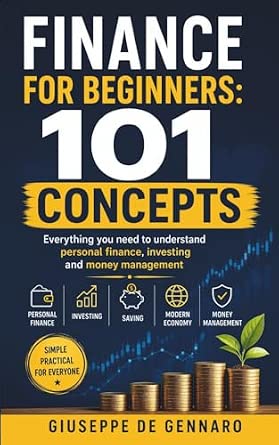 | Best for Concept-by-Concept Learning | Subject: Personal finance, investing, and money management | Audience: Beginners | Concept count: 101 concepts | VIEW LATEST PRICE | See Our Full Breakdown |
| The Simple Path to Wealth: Your Road Map to Financial Independence and a Rich, Free Life |  | Best for a Financial-Independence Goal | Subject: Financial independence | Stated goal: A life of greater freedom | Product type: Book | VIEW LATEST PRICE | See Our Full Breakdown |
| Personal Finance 101: An Essential Primer on Saving, Investing, Taxes, and Loans |  | Best for Core Money Topics | Series: Adams 101 Series | Audience: Introductory readers | Format: Not specified in provided product data | VIEW LATEST PRICE | See Our Full Breakdown |
| How to Adult: Personal Finance for the Real World |  | Best for Everyday Adult Money Questions | Subject: Personal finance | Stated focus: Practical money topics for everyday adult life | Audience: Not specified in provided product data | VIEW LATEST PRICE | See Our Full Breakdown |
| The Infographic Guide to Personal Finance: A Visual Reference for Everything You Need to Know | 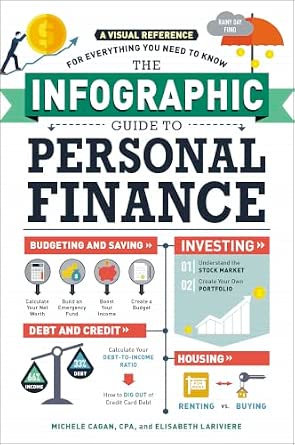 | Best Visual Reference | ASIN: 1507204663 | Format: Infographic guide | Category: Personal finance | VIEW LATEST PRICE | See Our Full Breakdown |
| Personal Finance For Dummies |  | Best Broad Starting Point | ASIN: 1394207549 | Title-stated subject: Personal finance | Title-stated audience: Beginners | VIEW LATEST PRICE | See Our Full Breakdown |
| The Beginner’s Investing Handbook: How to Start With Less Than $1,000, Grow Your Wealth, Manage Risk, and Build Toward Retirement |  | Best for First-Time Investors | ASIN: B0HLRPR1VL | Title-stated subject: Investing and personal wealth building | Stated audience: Beginners | VIEW LATEST PRICE | See Our Full Breakdown |
| Financial Literacy for Young Adults Simplified |  | Best for Young Adults | ASIN: B0C9SHJZS9 | Stated audience: Young adults | Stated topics: Managing, saving, and investing money | VIEW LATEST PRICE | See Our Full Breakdown |
| Smart Money: A Beginner’s Guide to Investing and Personal Finance |  | Best for Readers Wanting a Combined Finance-and-Investing Focus | ASIN: 1541333497 | Title-stated subjects: Investing and personal finance | Title-stated audience: Beginners | VIEW LATEST PRICE | See Our Full Breakdown |
| The Total Money Makeover: Updated and Expanded |  | Best for a Structured Debt-Payoff Plan | Format: Book | Edition: Updated and expanded | Subject: Personal finance | VIEW LATEST PRICE | See Our Full Breakdown |
| Personal Finance for Teens and Young Adults: Budgeting, Saving, and Investing |  | Best for Young Adults Building Money Basics | Format: Book | Intended audience: Teens and young adults | Topics: Budgeting, saving, and investing | VIEW LATEST PRICE | See Our Full Breakdown |
| Financial Literacy Essentials For Dummies |  | Best for a General Financial Literacy Starting Point | Format: Book | Subject: Financial literacy | Stated scope: Financial literacy essentials | VIEW LATEST PRICE | See Our Full Breakdown |
| Personal Finance QuickStart Guide: A Beginner’s Guide to Reducing Financial Stress, Building Wealth, and Financial Freedom |  | Best for a Broad, Goal-Oriented Introduction | Format: Book | Intended audience: Beginners | Subject: Personal finance | VIEW LATEST PRICE | See Our Full Breakdown |
| Investing for Beginners Made Simple: A Step-by-Step Guide to the Stock Market, ETF Investing, and Building Wealth |  | Best for Beginner Stock and ETF Investing | Format: Book | Intended audience: Beginners | Topics: Stock market investing, ETF investing, and wealth building | VIEW LATEST PRICE | See Our Full Breakdown |
| personal finance books for beginner | Format | ASIN |
|---|---|---|
| Personal Finance for Beginners | Not specified in provided product data | — |
| Finance for Beginners: 101 Con | Not specified in provided product data | B0H14HGBNC |
| The Simple Path to Wealth: You | — | B0DQJMVM59 |
| Personal Finance 101: An Essen | Not specified in provided product data | — |
| How to Adult: Personal Finance | Not specified in provided product data | B08ZVZKD2H |
| The Infographic Guide to Perso | Infographic guide | 1507204663 |
| Personal Finance For Dummies | Not specified in provided product data | 1394207549 |
| The Beginner’s Investing Handb | — | B0HLRPR1VL |
| Financial Literacy for Young A | Not specified in provided product data | B0C9SHJZS9 |
| Smart Money: A Beginner’s Guid | Not specified in provided product data | 1541333497 |
| The Total Money Makeover: Upda | Book | — |
| Personal Finance for Teens and | Book | — |
| Financial Literacy Essentials | Book | — |
| Personal Finance QuickStart Gu | Book | — |
| Investing for Beginners Made S | Book | — |
More Details on Our Top Picks
Personal Finance for Beginners: A Simple Guide to Taking Control of Your Finances
I’d put this book on the shortlist for readers who want a general entry point to money management, with basic investing included rather than treated as the only subject. Its title promises a simple guide, while The Simple Path to Wealth is framed around financial independence; that makes this a better fit for someone who wants to start with personal finances before focusing on a longer-term wealth strategy. The available description, though, does not identify specific chapters, methods, or format details, so I can’t judge how thoroughly it handles each topic. That lack of detail also makes it harder to distinguish from wider primers such as Personal Finance 101. Choose it for its broad beginner focus, not for a clearly documented curriculum or a particular investing approach.
Pros:- Explicitly aimed at beginners.
- Addresses personal finance alongside basic investing.
- Promises a simple guide for taking control of finances.
- Broad framing may suit readers who have not yet chosen a specific money topic.
Cons:- The supplied description does not specify chapters or individual financial topics.
- No format or edition details are provided.
- Its broad focus is less distinctive than the financial-independence focus of The Simple Path to Wealth.
Best for: Readers new to money management who want a general introduction that also touches on basic investing.
Not ideal for: Readers who need a clearly documented chapter plan, a focused investing method, or detailed evidence about the book’s format and scope.
- Subject:Personal finance
- Audience:Beginners
- Stated focus:Taking control of your finances
- Investing coverage:Basic investing
- Approach:Simple guide
- Format:Not specified in provided product data
Our verdict“Choose this as a broad starting point if you want basic money management and investing in one beginner-oriented guide, and accept limited detail about its contents.”
Finance for Beginners: 101 Concepts
The clearest distinction here is the book’s 101-concept structure: it offers beginners a way to approach personal finance, investing, and money management as separate ideas rather than as one broad narrative. That may suit readers who want to build familiarity across several money topics before deciding where to focus. Compared with Personal Finance for Beginners, which is described as a simple guide to taking control of finances, this title gives a more concrete signal about how its subject matter is organized. The supplied details don’t say whether the concepts are explained briefly or in depth, however, so I wouldn’t treat the number as proof of a complete course. Readers who prefer a single, connected financial-independence framework may find The Simple Path to Wealth a more focused alternative.
Pros:- Introduces 101 concepts for beginner readers.
- Covers personal finance, investing, and money management.
- Its concept-based framing may help readers identify unfamiliar topics.
- Offers broader topic coverage than a guide described only as basic investing.
Cons:- The provided details do not explain how the 101 concepts are taught or sequenced.
- No specific chapters, format, or level of depth are given.
- The concept count does not establish that the book provides a practical action plan.
Best for: New learners who prefer to encounter personal finance, investing, and money management as a set of individual concepts.
Not ideal for: Readers seeking a detailed step-by-step plan or a sustained financial-independence strategy rather than a collection of concepts.
- Subject:Personal finance, investing, and money management
- Audience:Beginners
- Concept count:101 concepts
- Approach:Concept-based introduction
- Format:Not specified in provided product data
- ASIN:B0H14HGBNC
Our verdict“Pick this if you learn best from a wide set of distinct money concepts, but choose a focused guide if you want a defined plan.”
The Simple Path to Wealth: Your Road Map to Financial Independence and a Rich, Free Life
This is the most goal-specific option in this group: its stated subject is financial independence and building a life with greater freedom, rather than an all-purpose tour of everyday finances. That focus can give a beginner a motivating destination, especially after learning basic money concepts elsewhere. By comparison, Personal Finance 101 explicitly covers saving, investing, taxes, and loans, making it the broader primer for readers who want those subjects named up front. The tradeoff is that the supplied description for this title gives no chapter-level detail, so I can’t tell how much beginner groundwork it provides or which financial topics it covers. I’d choose it for its financial-independence orientation, not as a guaranteed substitute for a broad introduction to budgets, taxes, and borrowing.
Pros:- Has a clear financial-independence focus.
- Connects money decisions to the goal of greater freedom.
- Its stated purpose is more focused than the broad coverage promised by Personal Finance 101.
- Identified as a book in the supplied product data.
Cons:- The provided description does not list chapters or specific financial topics.
- The beginner level is not explicitly stated in the supplied details.
- Its focused premise may leave readers seeking a broad personal-finance primer wanting more.
Best for: Beginners whose main motivation is understanding the path toward financial independence and greater personal freedom.
Not ideal for: Readers who want a clearly specified survey of saving, taxes, loans, and other foundational topics before considering a long-term wealth goal.
- Subject:Financial independence
- Stated goal:A life of greater freedom
- Product type:Book
- Audience:Not specified in provided product data
- Specific chapter topics:Not specified in provided product data
- ASIN:B0DQJMVM59
Our verdict“Choose this if financial independence is your main goal; start with a broader primer if you first need a clearly outlined survey of basic money topics.”
Personal Finance 101: An Essential Primer on Saving, Investing, Taxes, and Loans
For a beginner choosing by subject coverage, this is the most explicit option in the batch: its title names saving, investing, taxes, and loans, and the description identifies it as an introductory primer in the Adams 101 Series. That gives me a clearer sense of its intended breadth than the less detailed descriptions for Personal Finance for Beginners or How to Adult. The likely benefit is a starting point across several everyday financial areas, rather than a book centered only on investing or financial independence. The tradeoff is that the supplied product data doesn’t reveal how deeply any topic is treated, and its wide scope may not satisfy a reader who wants an in-depth treatment of one subject. I’d favor it for a structured-sounding overview, while checking the book’s contents if you need a particular topic covered in detail.
Pros:- Names four core areas: saving, investing, taxes, and loans.
- Described as an introductory primer.
- Part of the Adams 101 Series.
- Its stated topic range is more specific than the broad description for How to Adult.
Cons:- The provided details do not indicate depth or chapter structure.
- Covering several topics may mean less attention to any one area.
- No format details are supplied.
Best for: Beginners who want an introductory overview spanning saving, investing, taxes, and borrowing.
Not ideal for: Readers who want detailed guidance on one topic, or who need confirmed chapter-level information before choosing a book.
- Series:Adams 101 Series
- Audience:Introductory readers
- Format:Not specified in provided product data
- Topic:Saving
- Topic:Investing
- Topic:Taxes
- Topic:Loans
Our verdict“Choose this for a broad first pass through saving, investing, taxes, and loans; look elsewhere if you need depth on just one of them.”
How to Adult: Personal Finance for the Real World
The phrase “for the real world” gives this title a practical, everyday-life angle: it may appeal to readers looking for personal finance tied to the responsibilities of adult life, rather than a book led by financial independence or a list of concepts. That sets it apart from The Simple Path to Wealth, whose stated destination is long-term freedom, and Finance for Beginners: 101 Concepts, which emphasizes breadth through individual concepts. The supplied description does not name specific everyday topics, though, so I can’t confirm whether it addresses budgeting, bills, borrowing, or other practical questions. That uncertainty is the main drawback for a beginner comparing books by coverage. I’d shortlist it for its real-life framing, but choose Personal Finance 101 if you want named topics before buying.
Pros:- Connects personal finance with everyday adult life.
- Its practical framing differs from the financial-independence focus of The Simple Path to Wealth.
- May suit readers looking for an approachable entry point to adult money responsibilities.
- The title makes its intended real-world orientation clear.
Cons:- The supplied description does not name specific money topics.
- No format, chapter, or method details are provided.
- Its coverage is harder to compare with Personal Finance 101, which explicitly lists subject areas.
Best for: New adults seeking a personal-finance introduction framed around practical money matters in everyday adult life.
Not ideal for: Readers who need a confirmed list of topics, a clearly stated investing curriculum, or detailed information about the book’s structure.
- Subject:Personal finance
- Stated focus:Practical money topics for everyday adult life
- Audience:Not specified in provided product data
- Specific topics:Not specified in provided product data
- Format:Not specified in provided product data
- ASIN:B08ZVZKD2H
Our verdict“Choose this if you want an everyday-adult-life framing, but favor a book with listed topics if you need to confirm what it teaches.”
The Infographic Guide to Personal Finance: A Visual Reference for Everything You Need to Know
I’d choose this guide when a beginner is more likely to absorb money concepts through diagrams than long explanations. Its infographic format and reference-guide approach set it apart from Personal Finance For Dummies, whose broad introductory framing may suit readers who prefer conventional prose. The visual presentation could make information easier to scan and revisit, though the available details don’t identify the subjects covered or show how much explanation accompanies each graphic. That uncertainty matters if you need step-by-step help with budgeting, debt, or investing rather than a visual overview. I’d treat it as a companion for quick reference, not assume it replaces a structured beginner course. Its clearest strength is the format; its main tradeoff is the lack of detail about its coverage.
Pros:- Infographic presentation offers an alternative to text-heavy personal-finance guides
- Reference-guide format may make concepts easier to revisit
- Visual layout could help readers scan information quickly
Cons:- Available product details do not specify which personal-finance topics are included
- The description does not clarify how much explanation accompanies the infographics
Best for: Visual learners who want a browsable personal-finance reference and are comfortable checking the book’s contents before relying on it for a specific topic
Not ideal for: Readers seeking a clearly described, step-by-step plan for budgeting, debt repayment, or investing, since the available information does not specify the topics covered
- ASIN:1507204663
- Format:Infographic guide
- Category:Personal finance
- Presentation:Visual
- Stated purpose:Reference guide
- Coverage details:Not specified in provided product data
Our verdict“Choose this for a visual, browseable reference, but check its contents first if you need instruction on a particular money task.”
Personal Finance For Dummies
I’d put Personal Finance For Dummies on a beginner’s shortlist when the goal is a general introduction rather than a book aimed at one life stage or a single money topic. The title identifies a broad personal-finance focus, but the supplied details don’t describe its chapters, teaching style, or specific guidance. That makes it harder to judge how it handles practical tasks than Financial Literacy for Young Adults Simplified, which explicitly covers managing, saving, and investing for younger readers. Compared with the visual-reference approach of The Infographic Guide to Personal Finance, this book may suit someone seeking a conventional guide, though the format is not specified in the available data. I’d verify the contents before choosing it for a particular need.
Pros:- Personal finance is the stated subject, making it a plausible general starting point
- The title presents it as an accessible beginner-oriented guide
- Broad framing may appeal to readers who have not settled on one money topic
Cons:- Provided data does not identify the topics or chapter structure
- No details are available about format, teaching approach, or practical exercises
Best for: A new adult who wants a general personal-finance title and plans to confirm that its contents match their immediate questions
Not ideal for: Readers who need a clearly documented focus on a specific stage of life or a particular topic, since the supplied description gives no chapter or coverage details
- ASIN:1394207549
- Title-stated subject:Personal finance
- Title-stated audience:Beginners
- Format:Not specified in provided product data
- Topic coverage:Not specified in provided product data
- Chapter details:Not specified in provided product data
Our verdict“Consider it as a general entry point if its contents cover your needs, but choose a more specifically described guide when you need targeted instruction.”
The Beginner’s Investing Handbook: How to Start With Less Than $1,000, Grow Your Wealth, Manage Risk, and Build Toward Retirement
This is the most focused choice here for a beginner ready to move from general money management into investing. The stated coverage includes getting started, risk management, and long-term wealth building, plus a catch-up plan for people who begin later. That gives it a clearer investing brief than Personal Finance For Dummies, whose supplied details don’t identify any specific subjects. The tradeoff is equally clear: readers looking for a wider introduction to budgeting and everyday money decisions may find this less suitable than Financial Literacy for Young Adults Simplified, which covers managing and saving as well as investing. I’d pick this when investing is the main question, while remembering that the product details don’t specify its format or explain how the guidance is organized.
Pros:- Specifically addresses investing for beginners
- Includes risk management alongside wealth-building goals
- Offers a catch-up plan for people who start investing later
Cons:- Description centers on investing rather than broad everyday personal-finance skills
- Available details do not explain the book’s format or how its guidance is structured
Best for: A first-time investor, including someone starting later in life, who wants guidance on investing, risk, and long-term goals
Not ideal for: A beginner whose immediate needs are budgeting, managing everyday spending, or building savings before learning about investing
- ASIN:B0HLRPR1VL
- Title-stated subject:Investing and personal wealth building
- Stated audience:Beginners
- Starting point in title:Less than $1,000
- Stated topics:Getting started, risk management, long-term wealth building
- Retirement focus:Building toward retirement
- Additional guidance:Catch-up plan for people who begin investing later
Our verdict“Choose this over a broad introductory guide when investing, risk, and retirement planning are your main priorities.”
Financial Literacy for Young Adults Simplified
I’d steer a young adult toward this title when the aim is to connect managing money, saving, and investing with the longer-term goal of financial independence. Its life-stage focus makes it more directly tailored than Personal Finance For Dummies, which has no supplied audience or topic details beyond its title. It also covers a wider mix of money tasks than The Beginner’s Investing Handbook, whose description centers on investing, risk, and wealth building. That breadth is useful for someone building basic habits, but the product description doesn’t say how the material is structured or whether it provides step-by-step activities. I’d choose it for its stated audience and topic mix, not assume its simplified approach means every subject is covered in depth.
Pros:- Explicitly written for young adults
- Covers managing, saving, and investing rather than investing alone
- Connects money skills with financial security and independence
Cons:- Available description does not specify chapter structure or practical exercises
- Breadth across several subjects may leave readers seeking specialist investing instruction wanting more detail
Best for: A young adult who wants one beginner-oriented introduction to money management, saving, investing, and financial independence
Not ideal for: An older beginner seeking a specific investing plan or a reader who wants detailed, confirmed chapter coverage and exercises
- ASIN:B0C9SHJZS9
- Stated audience:Young adults
- Stated topics:Managing, saving, and investing money
- Stated goal:Financial security and independence
- Title-stated approach:Simplified
- Format:Not specified in provided product data
Our verdict“Pick this for a young adult building broad money skills, and choose a dedicated investing guide if investing is the sole priority.”
Smart Money: A Beginner’s Guide to Investing and Personal Finance
Smart Money is a plausible fit for a beginner who wants investing and personal finance addressed together, rather than choosing an investing-only title such as The Beginner’s Investing Handbook. That distinction could make it useful as a starting point for someone who sees investing as one part of a wider money picture. Still, the available description offers no chapter list, teaching style, or specific topics, so I can’t tell whether it gives equal attention to everyday finances and investing. Financial Literacy for Young Adults Simplified has a more clearly stated mix of managing, saving, and investing, while this book’s promise remains broad. I’d consider it for its combined focus, but verify the coverage if you need practical guidance on a specific decision.
Pros:- Title explicitly combines investing with personal finance
- Beginner-oriented framing may suit readers new to both subjects
- Combined focus may appeal to readers who want more than an investing-only title
Cons:- Provided details do not identify specific topics or chapters
- No information is available about format, teaching style, or practical exercises
Best for: A beginner interested in both personal finance and investing who wants a combined guide and can confirm its contents before buying
Not ideal for: Readers who need a clearly documented plan for a specific topic, such as saving, risk management, or investing later in life
- ASIN:1541333497
- Title-stated subjects:Investing and personal finance
- Title-stated audience:Beginners
- Format:Not specified in provided product data
- Topic details:Not specified in provided product data
- Chapter structure:Not specified in provided product data
Our verdict“Choose this if you want a beginner guide spanning personal finance and investing, but look for a more specifically documented book for targeted advice.”
The Total Money Makeover: Updated and Expanded
The Total Money Makeover suits beginners who want a defined route toward financial stability rather than a broad survey of money topics. Its description promises a plan for achieving financial peace, which gives it a more directive focus than Financial Literacy Essentials For Dummies, whose scope is presented only as general financial literacy. That clear plan may help readers who feel stuck turn intention into action, but the available details do not identify the plan’s steps or show how much space it gives to investing, taxes, or other subjects. Compared with Personal Finance QuickStart Guide, it appears less explicitly centered on reducing financial stress and building wealth. Choose it for a plan-led approach; skip it if you need verified topic-by-topic coverage before buying.
Pros:- Presents a plan focused on achieving financial peace
- Its directive framing may suit readers who want a clear overall approach
- Updated and expanded edition is identified in the title
Cons:- The available description does not explain the plan’s steps
- Coverage of investing, taxes, and other specific topics is not established
- Readers seeking a broad introductory survey may prefer a book with clearer topic coverage
Best for: Beginners who want a plan-oriented book to help them work toward financial stability and prefer direction over a broad overview.
Not ideal for: Readers looking for confirmed coverage of investing, taxes, or specific money-management topics, since the provided description does not detail those contents.
- Format:Book
- Edition:Updated and expanded
- Subject:Personal finance
- Focus:A plan for achieving financial peace
- Intended audience:Not specified
- Topics:Not specified beyond personal finance and financial peace
Our verdict“Choose this if you want a plan-led route toward financial stability, but pick a more clearly scoped guide if you need specific topic coverage.”
Personal Finance for Teens and Young Adults: Budgeting, Saving, and Investing
Personal Finance for Teens and Young Adults earns its place by naming both its audience and three practical subject areas: budgeting, saving, and investing. That makes it a more age-specific starting point than Financial Literacy Essentials For Dummies, which is described in broader terms but has no stated audience. Its focus on financial independence may help younger readers connect daily money habits with longer-term goals. The tradeoff is that the description does not say how the book teaches these topics, whether it includes exercises, or how much investing depth it offers. Compared with Investing for Beginners Made Simple, it covers budgeting and saving alongside investing, rather than centering on markets and ETFs. It is the better fit for a young reader seeking a wider foundation, not an investing-only guide.
Pros:- Names teens and young adults as its intended audience
- Covers budgeting, saving, and investing in one guide
- Connects practical money skills with building financial independence
Cons:- The description does not explain the teaching approach or level of detail
- No specific investing methods or examples are identified
- Its age-focused framing may be less tailored to older adult beginners
Best for: Teens and young adults who want one introductory resource spanning budgeting, saving, and investing as they build financial independence.
Not ideal for: Older beginners seeking detailed guidance for a specific investing decision, since the available description gives no strategy or depth details.
- Format:Book
- Intended audience:Teens and young adults
- Topics:Budgeting, saving, and investing
- Stated focus:Practical money skills
- Goal:Building financial independence
- Specific methods:Not provided
Our verdict“Pick this for a young beginner who wants a broad introduction to budgeting, saving, and investing rather than a dedicated investing manual.”
Financial Literacy Essentials For Dummies
Financial Literacy Essentials For Dummies is the broadest-sounding choice here: its title promises foundational financial literacy, but the supplied description does not identify particular topics or methods. That makes it a possible starting point for readers who want an introductory framing without committing to a narrow subject. It is less specifically targeted than Personal Finance for Teens and Young Adults, which names budgeting, saving, and investing, and less plan-focused than The Total Money Makeover. The main tradeoff is uncertainty: the available information does not show whether the book gives practical exercises, covers investing, or suits a particular life stage. I would favor it when a general foundation is the priority, but choose a more clearly described title if you want a specific skill or audience match.
Pros:- Positions itself as an introduction to financial literacy essentials
- Broad framing may appeal to readers who have not chosen a specific money topic
- The For Dummies title signals an introductory rather than specialist focus
Cons:- The available description names no specific topics
- No teaching format, examples, or practical exercises are identified
- Its audience and level of detail are not specified
Best for: Adult beginners who want a general financial literacy introduction and are comfortable with the topic coverage being unspecified in the available description.
Not ideal for: Readers who need a clearly defined curriculum, detailed investing guidance, or a guide tailored to a particular age group.
- Format:Book
- Subject:Financial literacy
- Stated scope:Financial literacy essentials
- Intended audience:Not specified
- Specific topics:Not provided
- Teaching approach:Not provided
Our verdict“Consider this for a general financial literacy starting point, but choose a more specifically described guide if you have a targeted learning goal.”
Personal Finance QuickStart Guide: A Beginner’s Guide to Reducing Financial Stress, Building Wealth, and Financial Freedom
Personal Finance QuickStart Guide is aimed squarely at beginners and connects three broad aims: reducing financial stress, building wealth, and working toward financial freedom. That makes it a more explicitly goal-oriented option than Financial Literacy Essentials For Dummies, whose description does not specify outcomes or subject areas. It also casts a wider personal-finance net than Investing for Beginners Made Simple, which focuses on stocks and ETFs. The tradeoff is that the description does not say which steps or topics support those goals, so readers cannot tell whether it offers detailed budgeting instruction, investment guidance, or a high-level overview. I would choose it if the combination of financial confidence and long-term wealth building matches your needs; for a defined investing focus, the investing guide is clearer.
Pros:- Explicitly identifies beginners as its audience
- Links financial stress reduction with wealth-building goals
- Frames financial freedom as a long-term aim
Cons:- The available description does not list the specific topics covered
- No steps or methods are provided to show how it addresses its goals
- Its breadth may be less useful than a focused guide for readers with one immediate learning need
Best for: Beginners who want a broad personal-finance introduction framed around reducing money stress and building toward long-term financial freedom.
Not ideal for: Readers seeking a clearly described step-by-step investing curriculum or confirmed coverage of particular financial topics.
- Format:Book
- Intended audience:Beginners
- Subject:Personal finance
- Stated goals:Reduce financial stress, build wealth, and work toward financial freedom
- Specific topics:Not provided
- Methods:Not provided
Our verdict“Choose this for a broad beginner overview tied to financial stress and wealth goals, but select a more specific book if you need defined instruction.”
Investing for Beginners Made Simple: A Step-by-Step Guide to the Stock Market, ETF Investing, and Building Wealth
Investing for Beginners Made Simple is the most focused investing pick in this group: it names the stock market, ETF investing, and building wealth, and promises a step-by-step approach for beginners. Its attention to starting with little money can make the subject feel more accessible to readers who assume investing requires a large initial amount. Compared with Personal Finance for Teens and Young Adults, it does not claim to cover budgeting and saving; compared with Personal Finance QuickStart Guide, its scope is narrower but its investment topics are clearer. The tradeoff is that the supplied details do not identify the author’s credentials or specific strategies, so readers cannot judge the guidance’s approach in advance. Pick it for an investing-first introduction, not as a complete personal-finance foundation.
Pros:- Uses a step-by-step approach intended for beginners
- Covers both stock market and ETF investing
- Addresses building wealth while starting with little money
Cons:- The provided details do not identify the author’s credentials
- Specific investing strategies are not described
- Its stated scope does not include budgeting or saving
Best for: New investors who want an introductory, step-by-step guide to stocks and ETFs, especially readers starting with limited funds.
Not ideal for: Beginners looking for a full personal-finance guide covering budgeting, saving, debt, and other foundations alongside investing.
- Format:Book
- Intended audience:Beginners
- Topics:Stock market investing, ETF investing, and wealth building
- Approach:Step-by-step guide
- Starting capital focus:Addresses investing with little money
- Author credentials:Not provided
- Specific investing strategies:Not provided
Our verdict“Choose this if investing in stocks and ETFs is your main learning goal, but pair or replace it with a broader guide if you need everyday money fundamentals.”

How We Picked
I compared these 15 books for the needs of a true beginner: clear explanations, useful coverage of everyday money decisions, approachable organization, and a sensible path from basic concepts toward more involved topics. I also looked at whether a book is a general primer, a visual reference, an age-specific introduction, or a focused guide to investing or debt. These distinctions matter because a reader looking to make a first budget needs a different starting point from someone ready to learn about ETFs.
The ranking favors books that can help the widest range of beginners build a foundation before specializing. Focused titles rank higher for their intended readers, not because they replace a broad money guide. I also weighed tradeoffs in scope, format, and financial approach: a compact or visual book can be easier to use, while a wide-ranging reference may offer more topics but require readers to choose what to tackle first. Since the supplied list does not establish edition details or comparative outcomes, the recommendations are based on the titles’ stated focus and likely reader fit rather than claims of firsthand testing.
| personal finance books for beginner | Format |
|---|---|
| Personal Finance for Beginners | Not specified in provided product data |
| Finance for Beginners: 101 Con | Not specified in provided product data |
| The Simple Path to Wealth: You | — |
| Personal Finance 101: An Essen | Not specified in provided product data |
| How to Adult: Personal Finance | Not specified in provided product data |
| The Infographic Guide to Perso | Infographic guide |
| Personal Finance For Dummies | Not specified in provided product data |
| The Beginner’s Investing Handb | — |
| Financial Literacy for Young A | Not specified in provided product data |
| Smart Money: A Beginner’s Guid | Not specified in provided product data |
| The Total Money Makeover: Upda | Book |
| Personal Finance for Teens and | Book |
| Financial Literacy Essentials | Book |
| Personal Finance QuickStart Gu | Book |
| Investing for Beginners Made S | Book |
Factors to Consider When Choosing Personal Finance Books For Beginners
Before choosing a first money book, decide what you want it to help you do next. A title can be approachable yet too narrow for your needs, or broad enough to cover many subjects without giving any one of them much depth. These factors help match a book to your current questions and reading habits.
Start With Your Next Money Decision
Pick the problem you want to act on in the next month, such as making a budget, paying down debt, beginning to save, or understanding investments. A book that answers that immediate question is more likely to be useful than one chosen only because it promises financial freedom. If you are unsure what your main gap is, a broad primer can help you identify it before you buy a more focused guide. A common mistake is to start with investing content while ignoring high-interest debt or an unstable cash buffer. Match the book’s central subject to your next action, then use other titles for topics it leaves out.
Choose Breadth or Depth Deliberately
General guides can introduce several areas of personal finance, but they may not provide detailed instruction on each one. Specialized books can explain investing, debt repayment, or another subject with more focus, yet they leave other everyday decisions for you to learn elsewhere. Consider whether you want a single starting reference or a sequence of books that builds one skill at a time. A frequent buying mistake is expecting an investing guide to teach budgeting and taxes in equal depth. Think of breadth as orientation and depth as a tool for a defined goal.
Match the Teaching Style to How You Learn
Some readers retain ideas best through diagrams and short explanations; others prefer a conventional chapter structure or a book they can consult by topic. A visual guide can make unfamiliar concepts easier to scan, though it may offer less room for extended explanations. Reference-style books may be convenient when questions arise, while a step-by-step narrative may be easier to follow from beginning to end. Avoid choosing by format alone: check whether the style leaves enough space for the specific task you need to understand. If you often stop reading dense material, accessibility may matter more than covering every subject.
Check Whether the Advice Fits Your Situation
A book written for teens, young adults, or a general adult audience may assume different levels of income, responsibility, and financial experience. Consider whether its examples and priorities match your stage of life, rather than assuming an age label automatically makes it suitable. Also notice when a book presents a particular method as its main route to progress; a strong framework can make action easier, but it may not fit every household or circumstance. Readers with irregular income, shared finances, or complex tax situations may need to supplement a beginner book with advice tailored to those needs. Treat the book as education, not individualized financial, tax, or legal advice.
Decide How Much Structure You Want
Some beginners benefit from a clear sequence of steps because it reduces the effort required to decide what to do next. Others want explanations and options so they can shape a plan around their own priorities. A structured method can make a challenging goal feel manageable, but following it without checking whether it fits your income, obligations, and risk tolerance can create frustration. Before choosing, ask whether you want a prescribed plan or a menu of concepts to apply selectively. The best fit is a book whose level of direction helps you take action without asking you to ignore your circumstances.
Frequently Asked Questions
Should I start with a general personal finance book or an investing book?
If you are still learning how budgeting, saving, debt, and investing fit together, start with a general primer. It can help you spot the money basics you need to address before choosing investments. An investing-focused title makes more sense if you already understand your day-to-day finances and want to learn about markets, ETFs, or long-term investing. You do not have to finish one book before starting another, but keep the roles clear: investment guidance does not replace a household money plan. Choose based on the question you need answered now.
Can one beginner book cover budgeting, debt, taxes, and investing well?
A broad introductory book can introduce all of those subjects, but a beginner-friendly overview is unlikely to provide equal depth on every topic. That is useful when you need a map of personal finance and want to identify what to study next. It is less suitable when you need detailed help with a specific decision, such as a complicated tax situation or an investing plan. Check the book’s stated scope and treat any topic that receives only a brief introduction as a prompt for further learning. A small set of complementary books can serve you better than expecting one title to do everything.
Which kind of book is better if I struggle to finish finance books?
Choose a format you are likely to return to, rather than the book with the longest list of subjects. A visual reference can make concepts easier to scan, while a clearly sequenced guide may help if you prefer to work through one idea at a time. Short explanations are not automatically better if they leave you unsure how to apply them, so look for a style that balances readability with useful context. You can also read a chapter tied to a current question instead of treating every book as a cover-to-cover assignment. The goal is to understand and use a few relevant ideas, not to finish a book quickly.
Should a younger reader choose an age-specific personal finance book?
An age-specific title may use examples and priorities that feel more relevant to someone just starting to manage money. That can make basic concepts easier to connect to real decisions, such as saving, budgeting, or beginning to invest. A general primer may suit readers who want wider coverage or whose financial questions extend beyond a student or early-career setting. Compare the topics and assumptions, not just the intended age group. A younger reader who wants detailed investing instruction may still need a separate investing guide.
Is a step-by-step money method right for every beginner?
A step-by-step method can help readers who want a clear order of actions and feel stuck choosing where to begin. It may be less suitable if its priorities do not match your financial obligations, income pattern, or comfort with risk. Before following a prescribed approach, understand its assumptions and consider how it handles your specific circumstances. A broad primer can help you compare concepts, while a focused method can provide structure once you know what you want to change. If the decision carries significant financial or tax consequences, a book alone may not be enough guidance.
Conclusion
For most new readers, Personal Finance 101 is my best overall choice because its stated scope spans several core money topics. For a straightforward first read, consider Personal Finance for Beginners; for value-minded readers, Finance for Beginners: 101 Concepts is a compact concept-led alternative, though its breadth may not replace a fuller guide. I would point readers seeking a more detailed reference toward Personal Finance For Dummies as the best premium-style pick, based on its reference format and broad subject focus. For teens and young adults, choose an age-specific option such as Financial Literacy for Young Adults Simplified or Personal Finance for Teens and Young Adults. If your main goal is investing, compare The Simple Path to Wealth with the two investing handbooks; if debt reduction is your priority, consider The Total Money Makeover and check that its structured approach fits your situation.