
To choose the right payment processor for your small business, consider your transaction volume, customer preferences, and integration needs. Look for a system that supports various payment options like credit cards, mobile wallets, and ecommerce, while ensuring it meets industry and security standards. Focus on costs, ease of use, and reliable support. By weighing these factors, you’ll find a solution that grows with you—stay tuned to learn how to make the best decision.
Key Takeaways
- Assess your business’s transaction volume, payment methods, and growth plans to select a scalable, compatible processor.
- Ensure the processor complies with industry regulations and security standards relevant to your sector.
- Choose a processor that supports diverse payment options like cards, mobile wallets, and contactless payments.
- Evaluate fee structures and security features to balance affordability with robust fraud protection.
- Prioritize user-friendly interfaces, seamless integration, and reliable support for smooth transaction experiences.

Choosing the right payment processor is essential for guaranteeing smooth and secure transactions that meet your business needs. To start, you need to analyze your transaction patterns—look at your average volume and how much it varies. This helps you select a processor capable of handling your current and future transaction loads without hiccups. Next, consider your customers’ preferred payment methods. Do they favor credit or debit cards? Are mobile payments like Apple Pay or Google Pay common among your clientele? Knowing their preferences ensures you offer convenient options that can boost sales and improve customer satisfaction.
Your business model also plays a key role in your choice. For example, if you operate an ecommerce site, you’ll need a payment system seamlessly integrated with your online platform. Alternatively, brick-and-mortar stores might focus more on point-of-sale solutions. Think about your future growth plans too. If you’re eyeing international expansion or expect transaction volumes to increase, opt for a scalable payment processor that can grow with you without causing disruptions or requiring frequent switches.
Industry requirements shouldn’t be overlooked either. Some sectors, like healthcare or finance, have strict compliance or regulatory standards for payment processing. Identifying these requirements upfront ensures you choose a processor that’s compliant and reduces the risk of legal issues down the line.
Once you’ve assessed your needs, you should explore the available payment options. Offering traditional credit and debit card payments is a must for most businesses. However, don’t forget about mobile wallets like Apple Pay and Google Pay—they’re becoming increasingly popular. Contactless payments speed up checkout times and enhance customer convenience. For online sales, supporting ecommerce transactions is critical. Additionally, options like ACH transfers and recurring billing are crucial for businesses that handle subscription services or regular payments.
Cost considerations are equally important. Understand the fee structure for each payment type, including flat rates, percentage fees, and any tiered pricing models. Ensure the pricing aligns with your transaction volume, and watch out for hidden fees that could eat into your profits. Transparency is key—choose a processor that clearly outlines all costs and offers a good balance between affordability and quality of service.
Security features should never be compromised. Look for systems with strong data encryption, compliance with data protection standards, and advanced fraud detection tools. Secure gateways and regular security updates protect your customers’ data and your reputation. The right processor should also offer ongoing security updates and proactive fraud prevention measures to adapt to evolving threats.
Finally, prioritize user experience. An intuitive interface for staff and customers makes transactions smoother and reduces errors. Seamless integration with your existing systems minimizes disruptions. Fast transaction processing keeps lines moving, and accessible customer support ensures you can resolve issues promptly. By carefully weighing these factors, you’ll find a payment processor that supports your business growth and keeps transactions safe and efficient.
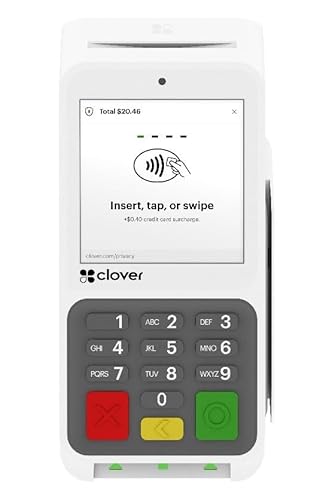
Clover Compact Payment Terminal – Requires New Merchant Processing Account Through Powering POS.
- Device Compatibility: Syncs with Clover Mini/Station
- Management Platform: Managed via Clover Dashboard
- Connectivity: Plug-in, not battery-powered
As an affiliate, we earn on qualifying purchases.
As an affiliate, we earn on qualifying purchases.
Frequently Asked Questions
How Do Payment Processors Impact Customer Trust?
Payment processors greatly impact customer trust by enabling fast, secure transactions. When your system integrates automated routing and encryption, customers feel confident their data is protected. Offering diverse payment options and storing details securely also boost trust and convenience. Staying compliant with standards like PCI DSS reassures customers that their information is safe. Ultimately, choosing a reliable, secure processor helps build long-term relationships, encouraging repeat business and safeguarding your reputation.
What Are Hidden Fees Associated With Payment Processors?
You should be aware that payment processors often have hidden fees that can sneak up on you. These include early termination, batch processing, PCI compliance, cross-border, refund, statement, and chargeback fees. High-volume businesses might also face transaction, address verification, and currency conversion costs. Regularly reviewing your statements and choosing transparent providers helps you avoid these unexpected charges, protecting your profit margins.
Can I Switch Payment Processors Easily Later?
Imagine your payment system as a ship sailing smoothly—shifting processors later is like changing course mid-ocean. You can do it, but it’s not always easy. You’ll need to review contracts, prepare your tech, and run systems concurrently to avoid storms like downtime. Planning ahead makes the transition smoother, like a skilled captain adjusting sails. With proper preparation, you’ll navigate the change more confidently, minimizing disruptions while steering toward better payment solutions.
How Do Payment Processors Handle International Transactions?
You might wonder how payment processors handle international transactions. They convert currencies using exchange rates that often include markups, raising costs. You’ll face foreign transaction fees, typically 1-3%, and network charges from Visa or Mastercard. Some providers add additional FX fees or surcharges. International settlements may involve wire transfer or ACH fees, and currency fluctuations can affect final amounts. Always check each processor’s rates and fee structure for clarity.
What Security Measures Should I Look for in a Processor?
They say “trust, but verify,” and when choosing a payment processor, that couldn’t be truer. Look for processors that comply with PCI DSS standards, encrypt data during transmission, and store sensitive info securely. Confirm they use multi-factor authentication and role-based access controls. Check for strong network security measures like firewalls and regular monitoring. These steps help protect your business from data breaches and build customer confidence.

Multzo POS Android 14 Receipt Printer Android 14 and 58mm High Speed Thermal Printer 5.5’ Touch Screen. Handheld Point of Sale with NFC and 4G Network. 3GB Ram+32GB ROM
- Operating System: Android 14 with Octa-Core Processor
- Memory and Storage: 3GB RAM, 32GB ROM
- App Compatibility: Access to Google Play Store apps
As an affiliate, we earn on qualifying purchases.
As an affiliate, we earn on qualifying purchases.
Conclusion
Choosing the right payment processor can make or break your small business’s success. Remember, over 70% of consumers prefer to shop with businesses offering seamless checkout experiences, so selecting a provider that’s reliable and easy to use is essential. By understanding your needs and comparing options carefully, you’ll guarantee smooth transactions and satisfied customers. Make the right choice today, and watch your business grow with confidence and convenience.

Touch Screen Computer Point of Sale POS System for Restaurant Bar Full Package inc Software Kitchen Order Printer and Ordering Tablet
- Large Touch Screen: 17-inch display for easy navigation
- All-in-One POS System: Includes PC controller and POS software
- Secure Cash Drawer: Provides safe and organized cash handling
As an affiliate, we earn on qualifying purchases.
As an affiliate, we earn on qualifying purchases.
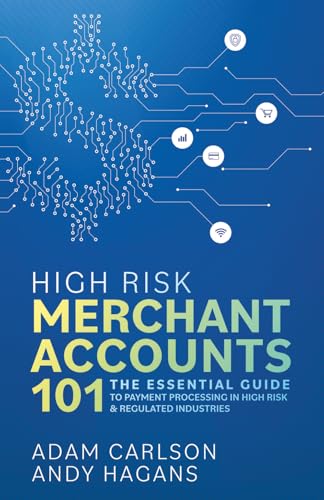
High Risk Merchant Accounts 101: The Essential Guide to Payment Processing in High Risk & Regulated Industries
As an affiliate, we earn on qualifying purchases.
As an affiliate, we earn on qualifying purchases.