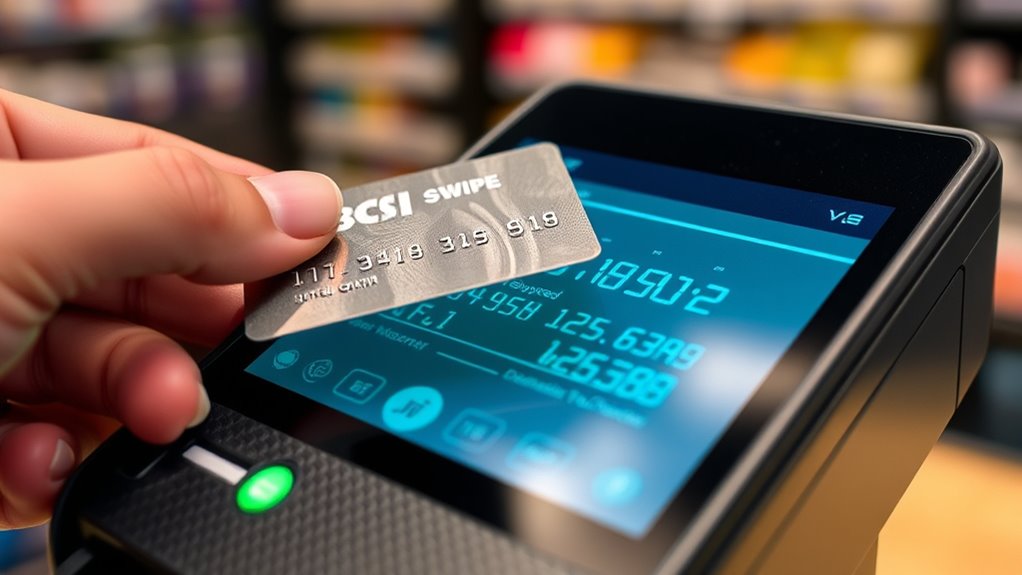

PCI P2PE encrypts your card data right at the point of swipe, making it unreadable to anyone intercepting the transmission. It keeps your information protected as it travels through terminals, network, and server, reducing the risk of data breaches. This technology also helps your business stay compliant with industry standards. To understand how PCI P2PE secures your payment process from start to finish, see how it transforms card data handling step by step.

Get smart everyday buys delivered free with Prime
- Fast, free delivery on millions of items
- Prime Video, Amazon Music and more included
- Member-only deals all year
Key Takeaways
- PCI P2PE encrypts card data immediately at the point of capture, such as a swipe or chip insertion.
- Encrypted data remains protected throughout its transmission from the POS device to the payment server.
- Tokenization replaces encrypted card data with a meaningless token, enhancing security during storage and transmission.
- Implementing PCI P2PE reduces PCI DSS scope and helps merchants comply with industry security standards.
- This encryption process minimizes the risk of data breaches and fraud from point of swipe to server processing.

When you swipe a card, sensitive data travels through multiple points before reaching your payment processor. This journey exposes your card information to potential risks if not properly protected. That’s where PCI P2PE (Point-to-Point Encryption) steps in, providing a robust way to secure data from the moment it’s captured until it’s safely stored or processed. With PCI P2PE, the card data is encrypted right at the point of interaction—such as a card reader or POS device—ensuring that it remains protected throughout its entire transit. This method notably reduces the risk of data breaches, as encrypted data is unintelligible to any malicious actors intercepting it along the way. One key aspect of PCI P2PE’s security model is tokenization. Once the sensitive card data is encrypted, tokenization replaces that data with a unique, random token. This token is meaningless outside the secure environment, meaning even if someone intercepts the data, they can’t reverse-engineer it to retrieve the actual card information. Tokenization security enhances overall data protection, especially in environments where data might be stored or transmitted across multiple systems. It also helps merchants meet strict compliance standards, like those outlined by PCI DSS, by reducing the scope of sensitive data they handle and store. This way, businesses can minimize their compliance burden while still maintaining high security levels. Additionally, the encryption process used in PCI P2PE helps prevent unauthorized access to card data during transmission and storage. Implementing PCI P2PE isn’t just about technology; it’s also about meeting compliance standards that safeguard customer data. By encrypting data at the point of capture and using tokenization, you ensure that your payment environment adheres to industry regulations designed to prevent fraud and data theft. This compliance not only protects your customers but also shields your business from hefty fines and reputational damage. Additionally, PCI P2PE streamlines compliance management because it reduces the scope of PCI DSS requirements—you don’t need to secure sensitive data as extensively if it’s encrypted and tokenized from the start. In essence, PCI P2PE transforms the way you handle card data, making every transaction safer from swipe to server. By encrypting data at the point of capture and utilizing tokenization security, you minimize exposure to breaches and streamline compliance efforts. This technology empowers you to provide a secure payment experience, build customer trust, and protect your business from evolving cyber threats. As fraud tactics become more sophisticated, adopting P2PE is a proactive step toward ensuring your payment processes remain secure, compliant, and resilient.
As an affiliate, we earn on qualifying purchases.
Frequently Asked Questions
How Does P2PE Impact Transaction Speed and Checkout Times?
You’ll notice that PCI P2PE enhances transaction efficiency and speeds up checkout times. By encrypting card data directly at the swipe point, it reduces processing steps and minimizes delays. This streamlined process means fewer errors, quicker approvals, and a smoother experience for customers. Overall, implementing P2PE helps you achieve faster checkout speeds, improving customer satisfaction and operational flow without compromising security.
What Are the Costs Associated With Implementing PCI P2PE Solutions?
Getting your ducks in a row, you’ll find that implementing PCI P2PE solutions involves initial implementation expenses like hardware upgrades, secure terminals, and staff training. The cost analysis shows that while upfront costs may seem steep, they can save money long-term by reducing PCI DSS compliance fees and fraud risks. Keep in mind, these investments are an essential step to protect sensitive data and build customer trust.
How Does P2PE Integrate With Existing Payment Infrastructure?
You integrate P2PE with your existing payment infrastructure by guaranteeing your legacy systems and hardware are compatible with the solution. P2PE encrypts card data at the point of swipe, so you’ll need to update or replace incompatible hardware and ensure your legacy systems support secure key management. This seamless integration minimizes PCI DSS scope, enhances security, and maintains your payment processes without major disruptions.
Are There Any Compliance Challenges Unique to P2PE Deployment?
Are you prepared for the compliance challenges with P2PE deployment? You’ll face regulatory hurdles and rigorous certification processes that ensure your encryption solutions meet PCI standards. These unique challenges require thorough documentation, regular audits, and ongoing updates to maintain compliance. Do you have the resources to navigate these complexities? Staying proactive helps you avoid penalties and security breaches, making it essential to understand and address P2PE-specific compliance requirements effectively.
What Training Is Required for Staff to Manage P2PE Devices?
You need to guarantee your staff receives proper training on device maintenance and staff certification for managing P2PE devices. This includes understanding how to operate the encryption hardware, troubleshoot issues, and follow security protocols. Certified staff can effectively handle updates and maintain device integrity, reducing compliance risks. Regular training sessions help keep your team up-to-date with best practices, ensuring secure card data encryption from swipe to server.
point-to-point encryption card reader
As an affiliate, we earn on qualifying purchases.
As an affiliate, we earn on qualifying purchases.
Conclusion
By embracing PCI P2PE, you’re gently guiding your card data through a secure journey from swipe to server. This technology acts like a trusted guardian, quietly shielding sensitive information along its path. With this safeguard in place, you can confidently focus on your business, knowing your customers’ details are wrapped in an invisible layer of protection. Ultimately, it’s about creating a smoother, safer experience—letting peace of mind become your quiet partner in every transaction.
As an affiliate, we earn on qualifying purchases.
As an affiliate, we earn on qualifying purchases.
Halloween Picks
halloween
As an affiliate, we earn on qualifying purchases.