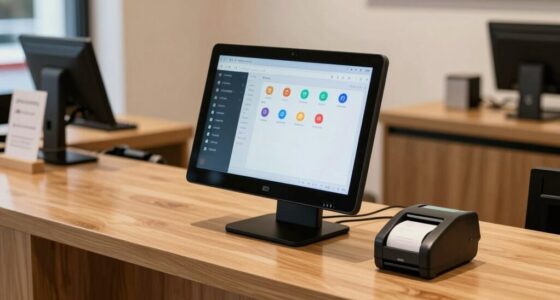

To manage and update your customers’ saved payment info, provide secure online portals or support channels for easy updates. Confirm changes promptly with automated emails or screen prompts, reassuring your customers. Link new payment details to existing subscriptions before billing and notify customers ahead of cycles. Use encryption and secure platforms to protect data, and regularly audit your processes. Staying proactive guarantees smoother transactions—continue exploring how to keep payment information accurate and secure.
Key Takeaways
- Provide a secure online portal or support channel for customers to update their payment details easily.
- Confirm updates immediately with automated emails or on-screen notifications to reassure customers.
- Link new payment information to existing subscriptions before billing to avoid disruptions.
- Use encryption and secure platforms to protect sensitive payment data during updates.
- Regularly audit and review payment management processes to ensure security and accuracy.

Keeping customer payment information accurate and up-to-date is essential for smooth transactions and maintaining trust. When you manage customer data effectively, you reduce errors, prevent payment failures, and ensure your billing cycles run seamlessly. Subscription management plays a vital role here, as it involves tracking recurring payments and updating details as needed. If a customer changes their credit card or banking information, prompt updates prevent disruptions in service and boost customer satisfaction. Regularly reviewing and maintaining payment information also helps you identify potential issues early, such as expired cards or declined transactions, allowing you to resolve them before they impact your revenue.
Accurate and updated payment info ensures smooth transactions and boosts customer trust.
To keep payment information current, establish a simple process for customers to update their details. You might provide a secure online portal or dedicated support channels where they can submit changes. When customers update their payment info, confirm the updates immediately, either through automated emails or confirmation screens. This reassures customers that their data was received correctly and helps prevent misunderstandings. Additionally, remind customers periodically to review and update their payment details, especially if they haven’t made recent transactions. This proactive approach minimizes payment failures caused by outdated information and keeps your billing cycles on track.
Managing subscription billing cycles is closely tied to maintaining accurate payment info. When a customer’s payment details change, you need to adjust their billing schedule accordingly. For example, if a customer updates their credit card before an upcoming billing cycle, ensure the new details are linked to their subscription to avoid failed payments. Automating this process through your billing system helps ensure that updates are seamlessly integrated, reducing manual errors and delays. It’s also helpful to notify customers when their billing cycle is approaching or if any updates are necessary. Clear communication prevents surprises and encourages customers to keep their payment info current.
Staying vigilant about security is crucial when handling payment data. Use encryption and secure platforms to safeguard sensitive information. Regularly audit your payment management processes to identify vulnerabilities or areas for improvement. Implementing industry best practices for data security can further protect customer information and build trust. If a customer reports a problem with their payment details, act swiftly to verify their identity and resolve the issue. This responsiveness demonstrates your commitment to protecting their data and maintaining trust. By keeping payment information accurate and aligning updates with billing cycles, you not only streamline your revenue collection but also foster a positive relationship with your customers, making them more likely to stay loyal over time.
secure online payment portal
As an affiliate, we earn on qualifying purchases.
As an affiliate, we earn on qualifying purchases.
Frequently Asked Questions
How Secure Is My Customers’ Saved Payment Data?
Your customers’ saved payment data is quite secure because you use strong encryption protocols to protect sensitive information during transmission and storage. Additionally, tokenization techniques replace real card details with unique tokens, reducing the risk of data breaches. These security measures ensure that even if unauthorized access occurs, the actual payment info remains safeguarded. Always stay updated on security practices to maintain a high level of safety for your customers’ payment data.
Can Customers Update Their Payment Info Themselves?
Customers can confidently change their payment details themselves, ensuring their privacy is protected. They simply access their account, navigate to payment settings, and update their information securely. With robust payment encryption in place, their sensitive data stays safe from prying eyes. This self-service solution empowers customers, enhances their experience, and maintains the integrity of their payment security, all while respecting their privacy and providing peace of mind.
What Should I Do if a Payment Fails?
When a payment failure occurs, you should promptly notify the customer to inform them of the issue. Then, give them clear instructions to update their payment information if needed. You might also attempt to resend the payment or suggest alternative methods. Always keep the customer informed throughout the process, ensuring they understand the reason for the failure and the steps they need to take to resolve it efficiently.
How Often Should I Review Stored Payment Details?
Think of your stored payment data as a garden that needs regular tending. You should review it at least every three to six months to guarantee accuracy and security. During reviews, verify payment data encryption and update outdated info. Follow customer notification procedures to inform clients about any changes. Regular checks help prevent fraud and keep payment details safe, ensuring your business runs smoothly like a well-oiled machine.
Are There Legal Regulations for Storing Payment Info?
Yes, there are legal regulations for storing payment info. You must guarantee legal compliance by following standards like PCI DSS, which require encrypting payment data during storage and transmission. Payment data encryption helps protect customer information from breaches and unauthorized access. Staying compliant not only keeps you legal but also builds customer trust. Regularly review your security measures and update them to meet evolving regulations and best practices.
automated customer payment confirmation system
As an affiliate, we earn on qualifying purchases.
As an affiliate, we earn on qualifying purchases.
Conclusion
By mastering how to manage and update customer payment info, you hold the power to prevent endless payment errors, avoid customer headaches, and save your business from catastrophic revenue losses. When you stay on top of these updates, you’re practically invincible against fraud, chargebacks, and data breaches. Think of it as wielding a mighty shield that keeps your business safe and thriving—because in this game, flawless payment management isn’t just important, it’s EVERYTHING!

SAGE 50 Premium Accounting 2024 U.S. Retail Edition | Boxed Version
TRUSTED ACCOUNTING SOFTWARE: For 42 years, Sage has supported small businesses with reliable accounting software to grow their…
As an affiliate, we earn on qualifying purchases.
As an affiliate, we earn on qualifying purchases.

Yaregelun USB Numeric Password Keypad Programmable Encryption Pin Pad for POS Payment Systems Secure Digital Entry Device
Enhanced Security: The numeric keypad ensures secure data entry and enhanced transaction security for all your POS payment…
As an affiliate, we earn on qualifying purchases.
As an affiliate, we earn on qualifying purchases.