Readers comparing The Simple Path to Wealth by JL Collins with Ramit Sethi’s I Will Teach You to Be Rich are often choosing between two different starting points: simplify investing, or organize more of their financial life at once. Collins makes a focused case for saving, investing in broad-market index funds, and staying the course. Sethi offers a wider system that includes spending priorities, credit cards, debt, savings, investing, and automation.

Get smart everyday buys delivered free with Prime
- Fast, free delivery on millions of items
- Prime Video, Amazon Music and more included
- Member-only deals all year

The Total Money Makeover Updated and Expanded: A Proven Plan for Financial Peace
- ✔ Format: Personal finance guide
- ✔ Edition: Updated and expanded
- ✔ Primary focus: Debt reduction and financial security
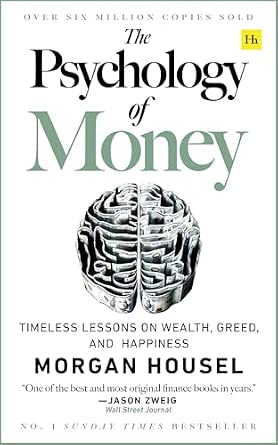
The Psychology of Money: Timeless Lessons on Wealth, Greed, and Happiness
- ✔ Format: Personal finance and psychology
- ✔ Primary focus: Behavior, wealth, and happiness
- ✔ Approach: Lessons supported by stories
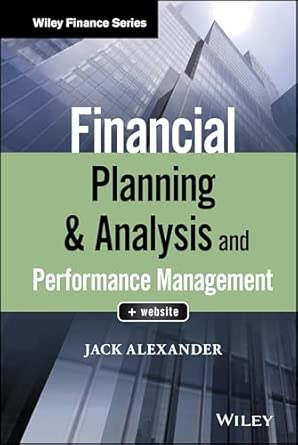
Financial Planning & Analysis and Performance Management
- ✔ Format: Professional finance reference
- ✔ Publisher: Wiley
- ✔ Primary focus: Financial planning and analysis
The practical difference is scope. If you already know how to manage bills and spending but want a clear long-term investing philosophy, Collins is the more direct guide. If you need help turning scattered money habits into a working routine, Sethi is likely the more useful first read. Neither book is a personalized financial plan, and both reflect particular assumptions about the reader’s circumstances; the better choice depends on which problem you need to solve now.
At a Glance
| Criteria | The Simple Path to Wealth | I Will Teach You to Be Rich | Winner |
|---|---|---|---|
| Primary focus | Building wealth through a straightforward long-term investing philosophy | A broad personal finance system covering spending, saving, debt, and investing | Depends |
| Investing approach | Emphasizes low-cost, broad-market index funds and staying invested | Uses diversified investing as one part of an organized money routine | A |
| Budgeting and spending | Limited emphasis compared with investing and savings | Strong emphasis on spending intentionally and directing money toward priorities | B |
| Debt and credit | Discusses debt as an obstacle to wealth building, but offers less of a full credit system | More detailed attention to credit cards, debt, and financial accounts | B |
| Actionability | A compact central plan that is easy to keep in view | Step-by-step systems and automation ideas, with more setup work | B |
| Best fit | Readers seeking investing clarity and a low-maintenance approach | Readers who want a practical reset across several money habits | Depends |
| Value | Often the better value if investing is the main question | The higher cost can pay off when its broader guidance replaces several separate resources | Depends |
The Total Money Makeover Updated and Expanded: A Proven Plan for Financial Peace
For readers who want a concrete route from financial stress toward stability, The Total Money Makeover is the most directly usable personal finance choice here. Its step-by-step approach links debt reduction, savings, budgeting, and later wealth building, giving readers milestones to work through instead of a collection of disconnected tips. That makes it a stronger action guide than The Psychology of Money, whose emphasis is understanding financial behavior rather than following a defined sequence.The structure is also the main compromise. Readers who prefer flexibility may find the strict budgeting emphasis confining, and the supplied description notes that the material can feel dense to absolute beginners. Compared with Financial Planning & Analysis and Performance Management, this book is more relevant to household finances, but it is not a professional toolkit for corporate forecasting. We would choose it when our priority is to organize personal cash flow, tackle debt, and build savings through a prescribed plan. Readers seeking nuanced investment instruction or an open-ended exploration of money psychology should look elsewhere.
Pros:
- Connects debt elimination, savings, budgeting, and wealth building in one plan.
- Offers actionable milestones that can help readers turn broad goals into next steps.
- Updated edition is described as reflecting current financial trends and tools.
- Uses success stories to support motivation through a longer financial reset.
Cons:
- The prescriptive budgeting approach may feel restrictive to readers who need flexibility.
- Its dense information may be difficult for some absolute beginners to absorb.
Best for: Readers who want a milestone-based personal plan centered on budgeting, debt payoff, and savings.
Not ideal for: People who dislike strict budgeting, need a gentle introduction to financial basics, or want detailed investment strategies.
Bottom line: Choose this when we want the clearest personal finance action plan in the lineup and are comfortable following a structured budget.
“Choose this when we want the clearest personal finance action plan in the lineup and are comfortable following a structured budget.”
The Psychology of Money: Timeless Lessons on Wealth, Greed, and Happiness
The Psychology of Money is the most accessible option for readers who suspect that financial decisions are shaped as much by emotion and behavior as by arithmetic. Its stories and reflections offer a lens for thinking about wealth, risk, greed, and happiness. That makes it a useful companion to The Total Money Makeover: one helps readers consider why they make money choices, while the other gives them a more defined sequence for changing financial routines.This is a reflective book rather than a procedural planning manual. It does not supply detailed step-by-step investment strategies, so readers who need a portfolio process or a household budget template will likely want another resource alongside it. The description also notes that some core ideas recur, which may make the reading feel less efficient for people who prefer dense technical instruction. Still, among these three, it is the easiest fit for someone who wants to build a healthier perspective before committing to a financial system. It also speaks to a broader audience than the corporate FP&A title, but it cannot replace that book’s workplace frameworks.
Pros:
- Explores the emotional side of wealth and financial decision-making.
- Uses stories and real-world examples to make abstract lessons approachable.
- Accessible to general readers as well as finance professionals.
- Pairs well with a practical planning system by helping readers examine their assumptions.
Cons:
- Some core ideas are repeated across chapters.
- Does not provide detailed step-by-step investment strategies.
Best for: Readers who want to reflect on how emotions, habits, and expectations shape their financial decisions.
Not ideal for: Buyers looking for a detailed budget, a debt payoff sequence, or technical investment instructions.
Bottom line: Pick this for perspective on money behavior, then pair it with a practical guide if we need a detailed plan.
“Pick this for perspective on money behavior, then pair it with a practical guide if we need a detailed plan.”
Financial Planning & Analysis and Performance Management
This book has the broadest process coverage in the lineup, but its scope is corporate rather than household finance. Financial Planning & Analysis and Performance Management addresses budgeting, analysis, and performance measurement, with frameworks, templates, and case studies intended to support business decisions. For a reader working in finance, those tools may be more relevant than the personal debt-and-savings sequence in The Total Money Makeover.That distinction is also why it ranks third for a general search for financial planning books. Its professional focus does not translate directly into a family budget or personal investment plan, and the described academic density can be a barrier for beginners. The book is presented as a practical resource for finance practitioners, yet it has limited coverage of emerging fintech tools. We would select it when our work involves organizational forecasts and performance decisions; for personal financial goals, the other two titles are better aligned. It offers more structured business process guidance than The Psychology of Money, while that book is far easier to approach without a finance role.
Pros:
- Covers FP&A processes from budgeting through performance measurement.
- Includes practical templates and real-world case studies.
- Connects financial analysis to business decision-making.
- Offers a more comprehensive corporate framework than the personal finance books in this comparison.
Cons:
- Dense academic language may challenge readers new to finance.
- The description indicates limited attention to emerging fintech tools.
- Its corporate focus makes it a poor match for household financial planning.
Best for: Finance professionals and business learners who need frameworks for budgeting, analysis, and performance management.
Not ideal for: Households seeking debt payoff or savings guidance, and beginners who want an accessible personal finance primer.
Bottom line: Choose this when our planning work is inside an organization and requires FP&A frameworks rather than personal money guidance.
“Choose this when our planning work is inside an organization and requires FP&A frameworks rather than personal money guidance.”
As an Amazon Associate we earn from qualifying purchases.
Key Differences
Collins and Sethi disagree less about the value of investing consistently than about how much of a reader’s financial life a single book should address. The Simple Path to Wealth keeps its attention on the choices that can shape long-term wealth: spend less than you earn, avoid destructive debt, invest in low-cost broad-market funds, and resist reacting to market swings. That focus makes the book easier to use as a lasting reference. Its limitation is equally clear: readers who need a detailed routine for cash flow, credit, or account administration may need other guidance.
I Will Teach You to Be Rich takes on that broader routine. It helps readers decide what they value, organize accounts, manage debt and credit, save, invest, and automate recurring decisions. That range makes it more immediately useful for someone whose financial life feels disorganized. It also asks for more active setup, and its advice may need adjustment for readers whose country, tax rules, debt situation, or access to financial products differs from the assumptions in the book. For most readers, the deciding factor is whether the current obstacle is investing uncertainty or day-to-day money management.
Detailed Comparison
Primary focus (moderate difference)
The Simple Path to Wealth wins if the question is how to invest for the long run: it maintains a tight focus on saving, investing, and behavior during market fluctuations. The gap is moderate, because that focus is valuable but narrow. I Will Teach You to Be Rich covers investing too, but places it inside a larger personal finance system that includes spending and financial organization. That breadth is more useful when multiple habits need attention at once.
Investing approach (The Simple Path to Wealth wins — moderate)
Collins has the edge for readers seeking a simple investing thesis built around low-cost, broad-market index funds and a long holding period. The advantage is moderate: a focused message can help readers avoid complexity and impulsive decisions, though it is not a personalized allocation for every situation. Sethi also supports diversified long-term investing, but treats it as one part of a larger routine. Choose Collins for investing conviction; choose Sethi if investing is one item on a broader financial checklist.
Budgeting and spending (I Will Teach You to Be Rich wins — major)
Sethi wins by a wide margin for readers who want to connect spending with personal priorities. His approach favors deciding where money matters and building a system around those decisions, rather than treating every expense as equally suspect. Collins encourages saving and avoiding waste, but this is not the book’s central practical framework. In everyday use, Sethi is more likely to help someone who earns enough but feels unsure where the money goes; Collins suits readers whose spending routine already works.
Debt and credit (I Will Teach You to Be Rich wins — moderate)
I Will Teach You to Be Rich offers more direct guidance on credit and debt as parts of an organized financial life. This is a moderate advantage for readers comparing interest costs, managing accounts, or trying to put recurring payments in order. Collins treats debt as something that can obstruct wealth building, but gives less attention to a complete credit routine. Neither book can choose a debt repayment plan without knowing rates, fees, and personal circumstances, so readers with complex debt may need tailored advice.
Actionability and effort (I Will Teach You to Be Rich wins — minor)
Sethi wins for readers who want concrete steps to put several accounts and habits on a schedule. Automation can reduce the number of decisions a reader must repeat, but setting up the system takes time and requires checking that transfers, bills, and account choices fit their situation. Collins is easier to retain as one central investing philosophy, which may make it simpler to follow over years. The gap is minor overall: Sethi gives more operational direction, while Collins is less demanding to keep in view.
Audience and accessibility (moderate difference)
There is no universal winner. Collins is a strong fit for readers who want a plain investing framework and already handle their basic financial administration. Sethi is a better fit for readers who want a wider reset and are willing to work through practical steps. The distinction is moderate because the books address different stages of a reader’s needs: one concentrates on the investment decision, while the other tries to improve the system surrounding it. Readers outside the books’ assumed financial context should verify local tax and account details.
Value for money (moderate difference)
Value depends on the problem being solved. If the reader mainly needs an investing framework, Collins’s narrower focus is likely to provide better value and avoid paying for material they already know. Sethi can justify a higher price when the reader expects to use its guidance on spending, accounts, credit, saving, and investing together. The difference is moderate: a broader book is not automatically better value if the reader only needs one chapter’s worth of help.
The Simple Path to Wealth: Pros and Cons
Pros:
- Focused explanation of a simple, long-term index investing approach
- Clear emphasis on low costs, patience, and avoiding reactive decisions
- Useful as a concise reference for readers who already have basic money routines
Cons:
- Less detailed guidance on budgeting, credit, and account organization
- Its investing framework may not cover every reader’s tax, income, or risk circumstances
- Readers seeking an all-around financial reset may need another resource
I Will Teach You to Be Rich: Pros and Cons
Pros:
- Covers spending, saving, debt, credit, investing, and automation in one system
- Connects financial decisions to personal priorities instead of focusing only on cutting expenses
- Gives readers practical steps for organizing recurring money tasks
Cons:
- Broader scope requires more reading and setup than a focused investing guide
- Some account and credit guidance may depend on the reader’s country and available products
- Readers who only want an investment philosophy may find parts beyond their needs
Who Should Choose What
Choose The Simple Path to Wealth if:
- You want a clear, low-maintenance investing philosophy for long-term wealth building.
- Your budgeting and bill routines already work, but you are unsure how to approach investing.
- You prefer a focused book you can revisit without implementing a larger account system.
Choose I Will Teach You to Be Rich if:
- You want to organize spending, debt, savings, credit, and investing in one practical plan.
- You earn money but have trouble directing it toward the goals you care about.
- You are willing to set up automatic routines and adapt the book’s examples to your local financial rules.
Skip both if: Neither book alone is a good substitute for personalized tax, legal, or investment advice when you face complex finances, unusual income, significant debt, or country-specific account rules.
Value for Money
Paying more for I Will Teach You to Be Rich is worthwhile when you will use its broader material to improve several parts of your financial routine. A reader who needs to rethink spending, organize savings, manage debt, and start investing may get more practical utility from one system than from a book focused mainly on investing. That value comes from applying the guidance, not from the number of topics covered.
If your cash flow is already organized and your central question is how to invest consistently, paying extra for breadth may add little. The Simple Path to Wealth is the better value for that reader: its narrower scope keeps the decision clear and directs attention to long-term investing behavior. In either case, the book is only useful if its advice fits your finances and local rules; readers should not buy a broader guide simply because it promises to cover more.
Final Verdict
Choose The Simple Path to Wealth if your main need is a straightforward long-term investing framework and you already manage everyday money competently. It makes the stronger focused case for low-cost index investing and patience. Choose I Will Teach You to Be Rich if your finances need an organized routine across spending, saving, debt, credit, and investments; its wider scope earns the extra cost for readers who will act on those steps.
The biggest deciding factor is the problem you want the book to solve. For a reader who is unsure where money goes, Sethi is the more useful starting point. For a reader whose habits are in order but who wants a simple investing philosophy, Collins is the clearer recommendation.
Frequently Asked Questions
Which book is better for a beginner?
It depends on what kind of beginner you are. Choose I Will Teach You to Be Rich if you need help organizing basic money habits alongside investing. Choose The Simple Path to Wealth if your spending and savings routine is already stable and you mainly want an introduction to long-term index investing.
Which book gives better investing advice?
The Simple Path to Wealth is more focused on investing and makes a clear case for low-cost broad-market index funds and staying invested. I Will Teach You to Be Rich includes investing guidance within a wider personal finance system. Neither replaces advice tailored to your goals, risk tolerance, taxes, and location.
Is I Will Teach You to Be Rich worth paying more for?
It can be, if you will use its guidance on spending, debt, credit, savings, automation, and investing. If you only need a long-term investing framework, The Simple Path to Wealth is likely the better value because its focused material matches that need.
Can I follow both books?
Yes. A reader could use Sethi’s broader approach to organize spending, saving, and accounts, then use Collins’s focused discussion to think through long-term investing. Check that any recommendations you apply suit your country, tax rules, and personal circumstances.
Fall Picks

Samsung 32-Inch Movingstyle Essential 4K UHD Smart Monitor with Rolling Stand
As an affiliate, we earn on qualifying purchases.