
TL;DR

Get smart everyday buys delivered free with Prime
- Fast, free delivery on millions of items
- Prime Video, Amazon Music and more included
- Member-only deals all year
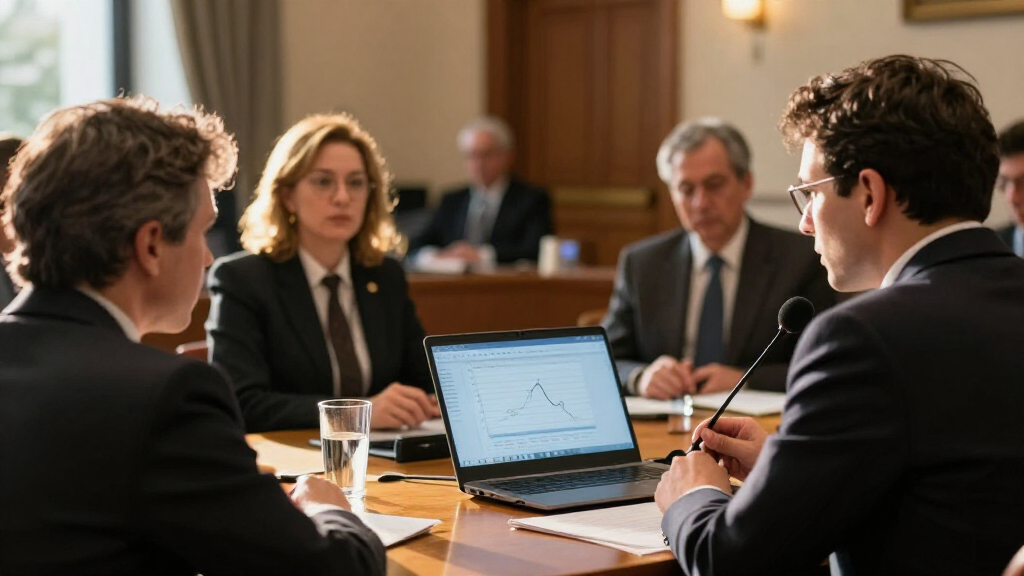
Reserve Bank of Australia Governor Michele Bullock told a Senate committee that inflation is likely to be higher than the RBA’s August forecast, citing renewed energy-price pressures and domestic capacity constraints. The cash rate target has risen by 100 basis points this year, including a 25-basis-point increase since the committee’s June hearing.
Reserve Bank of Australia Governor Michele Bullock told a Senate committee on 28 October that inflation is likely to run higher than the bank projected in August, as renewed Middle East conflict lifts energy costs and domestic capacity pressures persist. The RBA has raised its cash rate target by 100 basis points this year, including a 25-basis-point increase since the committee’s previous hearing in June.
In her opening statement to the Senate Economics Legislation Committee’s supplementary budget estimates hearing, Bullock said the Monetary Policy Board had increased the cash rate target to help return inflation to target. The RBA aims to bring inflation to the midpoint of its 2–3 per cent target range while also pursuing full employment. Bullock said policymakers allow flexibility over the timeframe but want to avoid inflation remaining above target long enough to become embedded in expectations and influence price and wage decisions.
Inflation fell from a peak of 7.9 per cent at the end of 2022 and was within the target range for a period in 2024 and 2025. It then picked up in the second half of 2025 and, Bullock said, has recently been around 3½ to 4 per cent year-ended. The bank’s August forecasts had put a return to around the midpoint of the target range in late 2027; developments since then, she said, point to inflation being higher than that forecast’s base case.
Bullock attributed the changed outlook to both international and domestic factors. She said renewed conflict in the Middle East had pushed global energy prices well above the levels assumed in the August forecasts, adding to inflation directly and through higher transport and other business costs. She also cited higher prices linked to technology supply constraints and extreme weather, alongside persistent pressure from domestic demand and limited economic capacity.
Rate Decisions Meet Renewed Price Pressures
The statement signals that the RBA sees a more difficult inflation outlook than it did in August, even as domestic growth slows as expected. Higher energy and transport expenses can affect household budgets and business costs, while persistent domestic price pressures may make it harder to bring inflation back to target. Bullock said a further period of subdued aggregate demand growth is needed to reduce capacity pressures and lower inflation sustainably.
For borrowers and businesses, the rate increases matter because monetary policy affects activity over time rather than immediately. Bullock said the full effects of recent increases have yet to be felt in the domestic economy. The statement does not announce a new rate decision; it sets out the Governor’s account of the outlook and the reasoning behind the Board’s existing decisions.
Products Worth Considering

Samsung 27-inch Odyssey OLED G6 QD-OLED QHD Gaming Monitor

Samsung 27 Odyssey OLED G5 (G50SF) QHD QD-OLED Gaming Monitor

FLEXISPOT Standing Desk with Monitor Riser & Cable Management
As an affiliate, we earn on qualifying purchases.
From the August Forecast to October
The RBA’s inflation objective balances price stability with full employment. Bullock said inflation staying above target for too long could influence expectations and feed into future price and wage-setting. After inflation declined from its 2022 peak, it spent part of 2024 and 2025 inside the target range, before rising again in the second half of 2025.
The bank’s most recent published economic forecasts at the time of the statement were in its August Statement on Monetary Policy. Those forecasts anticipated inflation returning to around the target midpoint in late 2027, with risks already assessed as tilted upward. Bullock said the Middle East conflict had re-escalated since then and energy prices were substantially higher than the assumptions used in that outlook. She also described the labour market as a little tighter than previously judged, despite unemployment rising somewhat more than expected, and pointed to weak productivity growth as a constraint on non-inflationary expansion.
“Inflation will therefore likely be higher than was our base case in August.”
— Michele Bullock, RBA Governor, in her opening statement
How High and How Long Inflation Persists
The statement does not provide a revised numerical inflation forecast or specify how long inflation will remain elevated. Bullock said the August forecast may prove too low, but the size and timing of any change were not quantified in the opening remarks. The effects of energy prices will depend in part on how long they stay elevated and how much higher costs are passed on to consumers.
The statement also does not indicate what the Board will decide at its next meeting or set out a future rate path. Bullock noted that the full impact of recent rate increases is still working through the economy. The opening remarks describe the RBA’s assessment, not a guarantee of future inflation, growth or policy outcomes.
Committee Questions and Updated Forecasts
Bullock and her RBA colleagues appeared by videoconference to answer committee members’ questions. In her opening remarks, she said she would address recent monetary policy decisions and the economic outlook, then provide an update on the payments system and cash distribution—other parts of the central bank’s responsibilities.
Further information about the inflation outlook would depend on incoming economic data and the RBA’s subsequent assessments. The supplied statement does not give a date for a new forecast or specify what the Board will do at its next rate-setting meeting. Readers should distinguish Bullock’s warning about an increased risk of higher inflation from any decision to change rates, which was not announced in this statement.
Key Questions
What did the RBA Governor tell the Senate committee?
Michele Bullock said inflation is likely to be higher than the RBA’s August base-case forecast, citing higher global energy prices and continuing pressure from domestic capacity constraints.
How much has the cash rate target risen this year?
Bullock said the cash rate target had risen by a cumulative 100 basis points in 2026, including a 25-basis-point increase since the committee’s June hearing.
What inflation level did Bullock report?
She said inflation had recently been around 3½ to 4 per cent in year-ended terms, above the RBA’s 2–3 per cent target range.
Did the statement announce another rate increase?
No. It explained the Board’s recent decisions and the inflation outlook, but did not announce a new cash rate decision or give a future rate path.
When did the RBA previously expect inflation to return to target?
The RBA’s August forecasts suggested inflation would return to around the midpoint of the 2–3 per cent target range in late 2027. Bullock said later developments meant inflation was likely to be higher than the forecast’s base case.
Source: bis.org