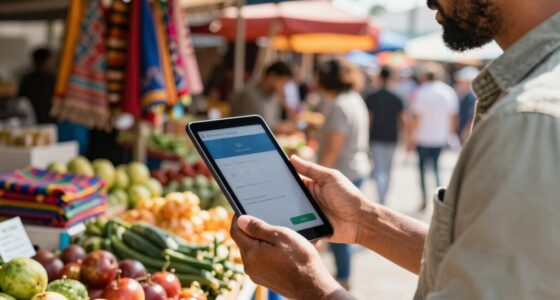

When you accept international cards, cross-border fees can quickly add up due to currency conversions, bank markups, and hidden surcharges. These fees often aren’t transparent, so you might pay more than expected when processing foreign transactions. Some cards have lower or no foreign transaction fees, so understanding the fee structure is essential. Being aware of potential merchant and ATM charges helps you manage costs effectively. Keep exploring to uncover smart strategies for minimizing these expenses.

Get smart everyday buys delivered free with Prime
- Fast, free delivery on millions of items
- Prime Video, Amazon Music and more included
- Member-only deals all year
Key Takeaways
- Accepting international cards may involve additional cross-border fees for currency conversion and processing.
- Fees vary depending on the card issuer’s policies, often including markups on exchange rates.
- Some cards offer transparent or no foreign transaction fees, reducing extra costs for international payments.
- Merchants and ATMs might add extra charges beyond bank fees, increasing total transaction costs.
- Using local currency and choosing cards with clear fee structures can help minimize cross-border expenses.
When you make international transactions or use your credit card abroad, you often encounter cross-border fees that can catch you off guard. These fees are typically added to your purchase due to the way your card issuer handles currency conversion and international processing. Essentially, when you buy something in a foreign currency, your bank has to convert that amount into your home currency. This process isn’t always straightforward, and the rates used can vary notably. Some banks add a markup on the exchange rate, which means you’re paying more than the actual market rate. This is where fee transparency becomes vital—if you understand exactly how your bank calculates the currency conversion, you can better anticipate the costs involved.
Many financial institutions don’t make these charges obvious. They might advertise low or no foreign transaction fees, but then sneak in higher currency conversion margins or additional surcharges. When shopping or paying abroad, you might see the total amount in your home currency, but behind the scenes, a less favorable exchange rate was used. This lack of fee transparency can lead to surprises when you review your monthly statement. To avoid this, it’s wise to check your bank’s policies on cross-border fees before traveling or making international purchases. Some cards are designed specifically for travelers, offering minimal or no foreign transaction fees and more straightforward currency conversion processes.
Many banks hide foreign transaction fees with higher conversion margins and surcharges.
Understanding how your card issuer handles currency conversion can save you money. Some banks partner with specific networks that provide more favorable rates or clearer disclosures. You should look for cards that clearly state their fee structure, including any active currency conversion fees. Also, consider whether the card charges a fixed fee per transaction or a percentage of the total purchase. These details are vital because they directly impact how much you’ll end up paying when using your card abroad.
It’s also worth noting that some merchants and ATMs may add their own fees on top of what your bank charges. While you can’t always avoid these charges, being aware of the potential costs helps you make smarter choices. For example, opting to pay in the local currency rather than your home currency can sometimes reduce conversion fees, provided the merchant’s rate isn’t overly inflated. Always review your card’s terms regarding international use, especially the currency conversion process and fee transparency, so you don’t get caught off guard with unexpected costs. Additionally, using cards that utilize transparent fee structures can help you better compare options and avoid hidden charges. Ultimately, understanding these elements empowers you to control your expenses better and make informed decisions when accepting international cards.
credit cards with no foreign transaction fees
As an affiliate, we earn on qualifying purchases.
As an affiliate, we earn on qualifying purchases.
Frequently Asked Questions
Do All International Cards Incur Cross-Border Fees?
Not all international cards incur cross-border fees, but many do. When you use an international card, you might face currency conversion fees and transaction fees. These extra costs happen because your bank or card issuer may charge for converting your currency or processing international transactions. Always check with your bank or card provider before using your card abroad, so you’re aware of potential fees and can avoid surprises.
Can I Avoid Cross-Border Fees With Specific Cards?
Yes, you can dodge cross-border fees with specific cards. Some cards waive or reduce currency conversion and transaction fees, saving you money. But beware—these perks often come with conditions, like higher annual fees or limited usage. Before you rely on them, check the fine print. With the right card, you’ll avoid surprise costs and enjoy smoother international transactions, making your global spending more affordable and hassle-free.
How Do Exchange Rates Affect Cross-Border Transactions?
Exchange rates impact cross-border transactions through currency fluctuation, which can change the amount you pay or receive. When you accept international cards, conversion costs are applied to convert the foreign currency into your local currency. If exchange rates fluctuate, the total cost may increase or decrease, affecting your profit margin or expenses. Staying aware of current rates and potential currency fluctuation helps you manage these costs effectively.
Are Digital Wallets Subject to Cross-Border Fees?
Digital wallets often come with cross-border fees, like hidden rocks beneath calm waters, catching you unaware. While they offer convenience, you should be mindful of international card policies that may trigger these additional costs. Ensuring your digital wallet security is tight helps protect you from fraud. Always check the fine print—knowing how fees work across borders keeps your financial journey smooth, like a ship sailing into safe harbor.
What Are the Best Strategies to Minimize These Fees?
To minimize cross-border fees, you should focus on currency conversion and fee optimization. Opt for payment processors that offer favorable currency conversion rates and low or no foreign transaction fees. Consider accepting local currencies or using multi-currency accounts to reduce conversion costs. Additionally, negotiate fee structures with your provider, and encourage customers to use local payment methods, which can help you save on extra charges and improve overall profitability.
multi-currency travel debit card
As an affiliate, we earn on qualifying purchases.
As an affiliate, we earn on qualifying purchases.
Conclusion
Think of accepting international cards like sailing uncharted waters. While the horizon promises new opportunities, hidden currents—like cross-border fees—can slow your journey. Managing these fees requires awareness and strategy, steering your business clear of unnecessary costs. By understanding the tides of international transactions, you can chart a course that maximizes your reach without being pulled off course by hidden charges. Ultimately, mastering this journey ensures your global voyage remains smooth and rewarding.
best travel money cards for international use
As an affiliate, we earn on qualifying purchases.
As an affiliate, we earn on qualifying purchases.
currency conversion fee-free credit card
As an affiliate, we earn on qualifying purchases.
As an affiliate, we earn on qualifying purchases.
Halloween Picks
halloween
As an affiliate, we earn on qualifying purchases.