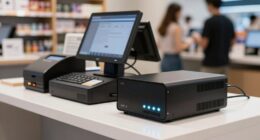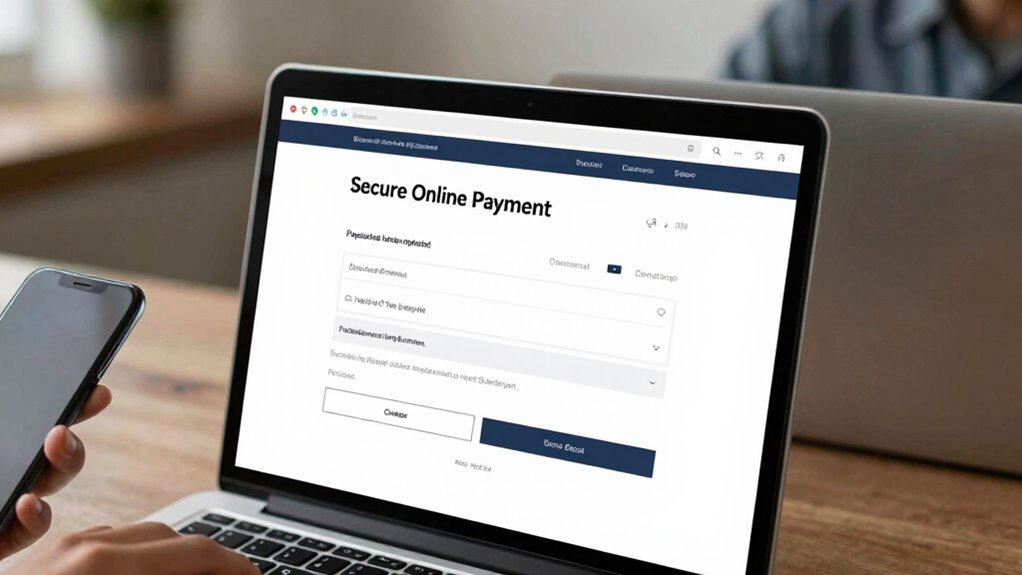

You can update payment credentials seamlessly by using automated, secure systems that detect changes like card renewal or expiration without asking customers to re-enter their details. These systems integrate with payment platforms and banks, ensuring information stays current while safeguarding sensitive data through encryption and tokenization. This approach minimizes interruptions and builds trust. Keep going to discover how implementing these practices can improve your customer experience and security even further.

Get smart everyday buys delivered free — and shop member deals
- Fast, free delivery on millions of items
- Access to Prime Big Deal Days deals on October 6–7
- Prime Video, Amazon Music and more included
Key Takeaways
- Automated systems detect and update card renewal or changes without customer intervention.
- Integration with banks and card providers synchronizes updated payment information seamlessly.
- Secure tokenization replaces sensitive data, allowing updates without re-entering credentials.
- Proactive customer notifications inform users about updates, enhancing transparency.
- Regular security protocol reviews ensure safe, compliant credential management without customer prompts.
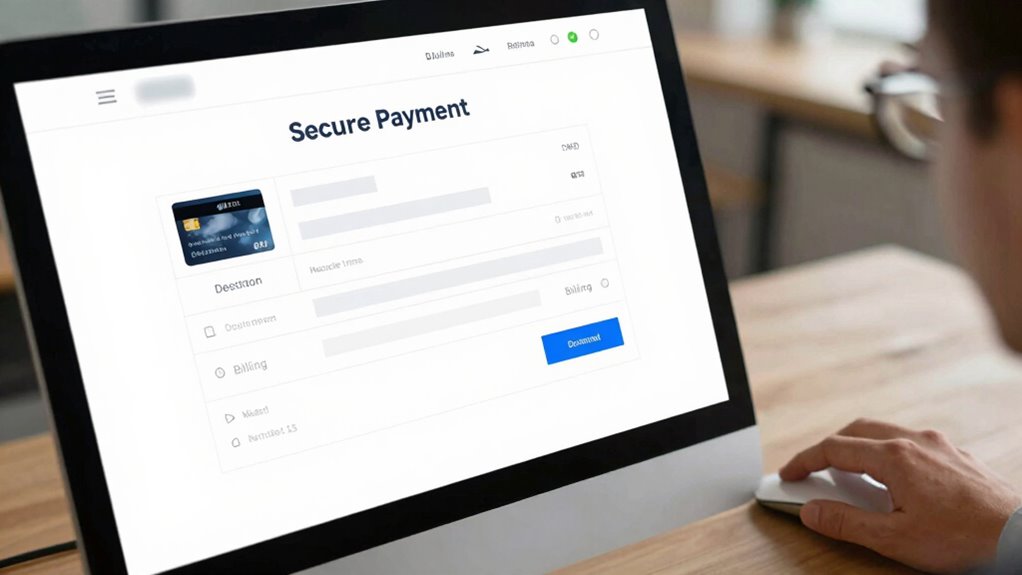
Updating payment credentials can be challenging, especially when you want to avoid inconveniencing your customers with repeated requests. You need a seamless way to keep payment information current without causing frustration or confusion. The key lies in leveraging secure, automated systems that handle credential updates behind the scenes. Implementing robust security protocols ensures that sensitive data remains protected during this process. These protocols, such as encryption and tokenization, prevent unauthorized access and keep customer information safe from breaches. When you prioritize security, your customers gain confidence in your ability to handle their data responsibly, reducing the need for frequent manual updates or re-entries. Additionally, integrating automated credential updates with your payment platform can streamline this process further, reducing errors and manual effort. Customer notifications play a crucial role in this process. Instead of asking customers to re-submit their payment details, you can send proactive, informative notifications about upcoming changes or updates. For example, if your payment gateway detects a change in card expiration dates or if a bank issues new card numbers, you can inform customers via email or app alerts. These notifications should include clear instructions on what actions, if any, are needed from the customer. The goal is to keep customers informed without causing alarm or inconvenience, fostering trust and transparency. When customers receive timely updates, they’re less likely to experience disruptions or encounter declined payments, which can be frustrating for everyone involved. Automated credential updates are another effective tool. Many payment processing platforms offer features that automatically synchronize payment information with banks or card providers. This means that when a customer’s card is renewed or updated, your system can detect the change and update their payment credentials without requiring them to re-enter details. This approach minimizes manual intervention, reduces errors, and maintains continuous service. To ensure this process runs smoothly, you should regularly review your security protocols and stay compliant with industry standards like PCI DSS. This compliance not only protects your customers but also safeguards your business from potential liabilities. Staying informed about industry standards can help you implement the most current security measures and best practices. In essence, updating payment credentials without repeatedly asking customers hinges on a combination of strong security measures and proactive communication. By implementing automated systems that adhere to security protocols, and by keeping your customers informed through timely notifications, you can streamline the process and enhance overall user experience. This approach helps you maintain a secure, efficient, and customer-friendly payment environment, ensuring that updates happen seamlessly and without unnecessary hassle.
automated payment credential update system
As an affiliate, we earn on qualifying purchases.
As an affiliate, we earn on qualifying purchases.
Frequently Asked Questions
How Secure Is the Automatic Payment Credential Update Process?
The automatic payment credential update process is quite secure. It uses data encryption to protect your sensitive information during transmission and storage, ensuring unauthorized access is prevented. Additionally, fraud prevention measures like monitoring for suspicious activity are in place, reducing the risk of fraud. While no system is entirely foolproof, these combined security features help keep your payment details safe and maintain your trust in the process.
Can Customers Opt-Out of Automatic Payment Updates?
Imagine a gatekeeper holding a key to your privacy. Yes, you can opt out of automatic payment updates; it’s your right to hold that key. By giving explicit customer consent, you control access to your financial details. If privacy concerns weigh heavily on you, simply request to pause or disable automatic updates. Your preferences act as shields, ensuring your financial information stays within your chosen boundaries.
What Types of Payment Methods Support Automatic Credential Updates?
You should know that credit cards, debit cards, and digital wallets like Apple Pay or Google Pay support automatic credential updates. These methods enhance payment security by securely managing credentials through encrypted tokenization, reducing fraud risks. With efficient credential management, your recurring payments stay seamless even if card details change, so you don’t have to manually update your info. This streamlines transactions, maintains security, and improves your overall payment experience.
How Often Are Payment Credentials Updated Without Customer Intervention?
You might be surprised, but payment credentials can be updated countless times a day without bothering you! Thanks to cutting-edge fraud prevention and data encryption, your info gets refreshed as often as necessary—sometimes even instantly—ensuring seamless transactions. These updates happen silently, keeping your data secure and your payments smooth, so you never have to worry about your credentials expiring or security breaches. It’s like magic working behind the scenes for your convenience.
What Should Customers Do if Their Payment Information Fails After an Update?
If your payment information fails after an update, you should check for any customer notification from your provider, which might explain the issue. You can then try updating your payment details again or select fallback payment options if available. Contact customer support if problems persist, so they can guide you through resolving the issue quickly and guarantee your payments go through smoothly.
secure tokenization payment gateway
As an affiliate, we earn on qualifying purchases.
As an affiliate, we earn on qualifying purchases.
Conclusion
Just like a skilled navigator adjusts the sails without disturbing the voyage, updating payment credentials seamlessly keeps your customers sailing smoothly. By automating these updates, you guarantee their experience remains steady—no need to ask, just like the steady hand of a captain steering through calm waters. When you embrace this approach, you’re not just maintaining transactions; you’re orchestrating a flawless symphony of trust and convenience that keeps your customers coming back, season after season.
payment security encryption tools
As an affiliate, we earn on qualifying purchases.
As an affiliate, we earn on qualifying purchases.
bank integration payment platform
As an affiliate, we earn on qualifying purchases.
As an affiliate, we earn on qualifying purchases.
Fall Picks
fall essentials
As an affiliate, we earn on qualifying purchases.