
High-yield savings accounts can help cash earn interest while staying accessible, but rates, account rules, and how each guide treats risk vary. My best overall pick is The High-Yield Cash Guide (2026 Edition) for its current-year focus; The High-Yield Cash: The 5% Interest Strategy stands out for yield-focused readers, while Getting Started with High-Yield Savings Accounts is a gentler starting point for new savers. The main tradeoffs are chasing a changing rate versus prioritizing access, simplicity, and broader financial goals. Some entries focus on savings accounts, while others compare them with CDs, investment accounts, or other cash options. Read on for the full breakdown and help matching a guide to your needs.

Get smart everyday buys delivered free with Prime
- Fast, free delivery on millions of items
- Prime Video, Amazon Music and more included
- Member-only deals all year
Key Takeaways
- The High-Yield Cash Guide (2026 Edition) ranks first because its recent edition is more useful for readers seeking current guidance than titles anchored to past rate conditions.
- The 5% Interest Strategy puts yield at the center, but readers should treat a headline rate as time-sensitive rather than a lasting promise.
- Getting Started with High-Yield Savings Accounts is the clearest fit for beginners who need confidence and basic account-selection guidance before optimizing returns.
- Several titles compare savings accounts with CDs, standard savings, or investment accounts; those comparisons help clarify tradeoffs but are less focused than account-specific guides.
- The lineup includes personal retrospectives and older rate-focused titles, so publication date and scope matter as much as the subject named in a title.
| Dividend Growth Investing vs. High-Yield Savings Accounts: How to Get a 4% Yield |  | Best for Comparing Cash and Investing | Format: Book | Subject: Dividend growth investing and high-yield savings accounts | Stated yield focus: 4% | VIEW LATEST PRICE | See Our Full Breakdown |
| Getting Started with High-Yield Savings Accounts: Overcoming Your Banking Fears |  | Best for Nervous First-Time Savers | Format: Book | Subject: Getting started with high-yield savings accounts | Stated audience: Readers overcoming banking fears | VIEW LATEST PRICE | See Our Full Breakdown |
| My High-Yield Savings Account: Year in Review 2022 | 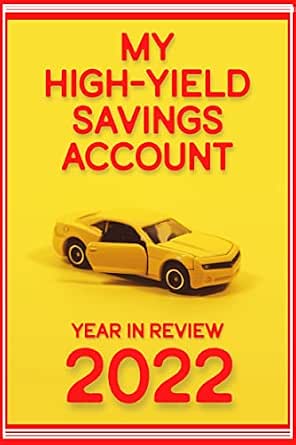 | Best for Historical Account Perspective | Format: Book | Subject: A high-yield savings account | Coverage period: 2022 | VIEW LATEST PRICE | See Our Full Breakdown |
| High-Yield Cash: The 5% Interest Strategy |  | Best for Readers Drawn to a Specific Yield Target | Format: Book | Subject: High-yield cash | Stated interest target: 5% | VIEW LATEST PRICE | See Our Full Breakdown |
| Investing for Interest 6: My Favorite High-Yield Savings Account |  | Best for a Personal Account Pick | Format: Book | Series: Investing for Interest | Installment: 6 | VIEW LATEST PRICE | See Our Full Breakdown |
| The Elite Savers of America: How to Save $10,000 in a High-Yield Savings Account |  | Best for a Defined Savings Goal | Format: Book | Series: Financial Freedom Series | Book number: 175 | VIEW LATEST PRICE | See Our Full Breakdown |
| High-Yield Savings Accounts vs. Standard Savings Accounts: We Should All Love Yield |  | Best for Comparing Savings Account Types | Format: Book | Primary topic: High-yield savings accounts versus standard savings accounts | Comparison focus: Savings account types | VIEW LATEST PRICE | See Our Full Breakdown |
| What Your Bank Doesn’t Tell You: How to Use High-Yield Savings Accounts, Roth IRAs, 401(k)s, HSAs, and Other Smart Accounts to Build Long-Term Wealth (The Long-Term Wealth Series, Book 5) |  | Best for a Broader Financial Account Strategy | Format: Book | Series: The Long-Term Wealth Series | Book number: 5 | VIEW LATEST PRICE | See Our Full Breakdown |
| High-Yield Savings, CDs, and Money Market Accounts: The Complete Beginner’s Guide (Money Guide Series, Book 69) |  | Best for Beginners Comparing Cash Options | Format: Book | Series: Money Guide Series | Book number: 69 | VIEW LATEST PRICE | See Our Full Breakdown |
| The Magic of 3: High-Yield Savings Accounts Hit 3% Interest |  | Best for a Rate-Focused Introduction | Format: Book | Primary topic: High-yield savings accounts and interest | Interest figure in title: 3% | VIEW LATEST PRICE | See Our Full Breakdown |
| My Three Favorite High-Yield Savings Accounts: Get Paid While You Save |  | Best for a Focused Account Shortlist | Format: Not provided | Accounts covered: Three high-yield savings accounts, according to the title | Interest-rate details: Not provided | VIEW LATEST PRICE | See Our Full Breakdown |
| The High-Yield Cash Guide (2026 Edition) | 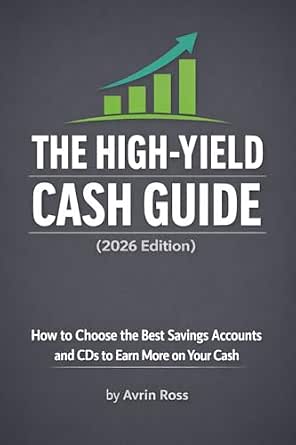 | Best for Comparing Savings Accounts and CDs | Edition: 2026 Edition | Format: Not provided | Product types covered: Savings accounts and certificates of deposit (CDs) | VIEW LATEST PRICE | See Our Full Breakdown |
| high-yield savings account | Format | Series |
|---|---|---|
| Dividend Growth Investing vs. | Book | — |
| Getting Started with High-Yiel | Book | — |
| My High-Yield Savings Account: | Book | — |
| High-Yield Cash: The 5% Intere | Book | — |
| Investing for Interest 6: My F | Book | Investing for Interest |
| The Elite Savers of America: H | Book | Financial Freedom Series |
| High-Yield Savings Accounts vs | Book | Not provided |
| What Your Bank Doesn’t Tell Yo | Book | The Long-Term Wealth Series |
| High-Yield Savings | Book | Money Guide Series |
| The Magic of 3: High-Yield Sav | Book | Not provided |
| My Three Favorite High-Yield S | Not provided | — |
| The High-Yield Cash Guide | Not provided | — |
More Details on Our Top Picks
Dividend Growth Investing vs. High-Yield Savings Accounts: How to Get a 4% Yield
This book earns a place for readers deciding whether savings-account yield or dividend growth investing better fits their goals. Its central comparison can help separate a cash reserve, where access and stability matter, from investments that may fluctuate in value. Unlike Getting Started with High-Yield Savings Accounts: Overcoming Your Banking Fears, which focuses on getting comfortable with savings accounts, this title puts another income approach alongside cash savings.
The tradeoff is that the description gives no detail about its research, examples, or treatment of risk, and its 4% yield framing should not be read as a guaranteed or current account rate. I would use it as a comparison-oriented introduction, not as a substitute for checking account terms or investment risks. Readers seeking a practical account-opening walkthrough may get a closer fit from the beginner-focused title.
Pros:- Directly compares dividend growth investing with high-yield savings
- Frames the discussion around a stated 4% yield target
- Can help clarify the difference between cash savings and investment income
Cons:- No details are provided about the author’s methods, examples, or coverage
- The stated yield framing may not reflect current savings rates or investment outcomes
- Not described as a practical guide to selecting or opening an account
Best for: Savers weighing an accessible cash reserve against dividend-focused investing and wanting a comparison of the two approaches
Not ideal for: Readers who want verified current account rates, specific bank recommendations, or a detailed step-by-step account-opening guide
- Format:Book
- Subject:Dividend growth investing and high-yield savings accounts
- Stated yield focus:4%
- Comparison topic:Investing versus savings
- Account-specific details:Not provided
- Publication format details:Not provided
Our verdict“Choose this for a side-by-side introduction to savings yield and dividend investing, but verify current rates and risks independently.”
Getting Started with High-Yield Savings Accounts: Overcoming Your Banking Fears
This is the clearest fit in the group for someone who is interested in higher-yield savings but feels uneasy about changing banks or opening an unfamiliar account. Its stated focus on getting started and common banking fears addresses a barrier that rate comparisons alone cannot solve. Compared with Dividend Growth Investing vs. High-Yield Savings Accounts: How to Get a 4% Yield, it appears more focused on building confidence with savings accounts than comparing cash with investments.
That narrow focus is also its limitation: the available description does not say whether the book covers account features, rate changes, fees, or transfer logistics. I would treat it as a confidence-oriented introduction, not a verified account-selection manual. Savers already comfortable with online banking may find the premise less relevant, while readers who need specific, current account facts will need other sources.
Pros:- Specifically addresses high-yield savings accounts
- Acknowledges common emotional barriers to trying a different banking option
- Its beginner-oriented premise may help hesitant savers take an initial step
Cons:- No details are provided about the book’s chapters, examples, or format
- Coverage of rates, fees, account access, and safety is unspecified
- The description does not establish whether its advice is current
Best for: First-time online savers who hesitate to open a high-yield account because of concerns about banking unfamiliarity
Not ideal for: Experienced savers seeking detailed comparisons of account terms, current rates, fees, or transfer processes
- Format:Book
- Subject:Getting started with high-yield savings accounts
- Stated audience:Readers overcoming banking fears
- Account comparisons:Not specified
- Rate information:Not specified
- Publication format details:Not provided
Our verdict“Pick this if banking apprehension is your main obstacle, but look elsewhere for detailed account comparisons and current terms.”
My High-Yield Savings Account: Year in Review 2022
This title offers a time-bounded look at a high-yield savings account during 2022, making it the most explicitly retrospective option in this batch. That can interest readers who want an account-focused account of a particular year, rather than a broad comparison such as Dividend Growth Investing vs. High-Yield Savings Accounts: How to Get a 4% Yield. The title’s personal framing may also appeal to readers curious about one saver’s experience, though the supplied description does not confirm the review’s contents or approach.
The main drawback is its age: a 2022 year-in-review cannot establish today’s rates, account terms, or best choices. No details are supplied about the account, the author’s results, or the format, so I would not use it as a current buying guide. It is better suited to historical context than to choosing an account now.
Pros:- Clearly identifies a specific year as its subject
- Focuses on a high-yield savings account rather than general investing
- May offer a personal account perspective, as suggested by the title
Cons:- Its 2022 focus limits usefulness for current account decisions
- No information is provided about the account, findings, or author’s methods
- The description does not specify format or practical guidance
Best for: Readers interested in a historical, account-specific perspective on high-yield savings during 2022
Not ideal for: Savers choosing an account today who need current rates, terms, or a broad comparison of providers
- Format:Book
- Subject:A high-yield savings account
- Coverage period:2022
- Presentation:Year in review
- Named account:Not provided
- Publication format details:Not provided
Our verdict“Choose this for a historical account perspective, not for current rate or provider guidance.”
High-Yield Cash: The 5% Interest Strategy
The title gives this book a distinctive angle: a 5% interest strategy centered on high-yield cash. That specific target may draw readers looking for a focused discussion of cash savings rather than the broader investing comparison in Dividend Growth Investing vs. High-Yield Savings Accounts: How to Get a 4% Yield. It could be a useful prompt for learning what a yield target means and what questions to ask when evaluating cash options.
However, the product details provide no explanation of the strategy, account types, timing, or risks. A yield figure in a title is not a promise that a savings account will offer that rate, since rates and terms can change. I would approach this as a potentially targeted introduction, not evidence that a particular return is available. Readers who want reassurance about opening an account may prefer Getting Started with High-Yield Savings Accounts: Overcoming Your Banking Fears.
Pros:- Centers its premise on high-yield cash
- Uses a clearly stated 5% interest target
- Offers a more cash-focused angle than a dividend-investing comparison
Cons:- No details explain how the stated strategy works
- The title’s yield target should not be treated as a guaranteed or current savings rate
- Account types, terms, and risks are not specified
Best for: Rate-focused savers who want a book specifically framed around a 5% cash-interest target and will verify any claims independently
Not ideal for: Readers who need confirmed current rates, a named account recommendation, or a clearly documented strategy
- Format:Book
- Subject:High-yield cash
- Stated interest target:5%
- Strategy details:Not provided
- Account types:Not specified
- Publication format details:Not provided
Our verdict“Consider this for its focused yield-target premise, but do not rely on the title as proof of an available rate or tested strategy.”
Investing for Interest 6: My Favorite High-Yield Savings Account
This installment is framed around one author’s favorite high-yield savings account, giving it a more personal, single-account angle than High-Yield Cash: The 5% Interest Strategy, whose title points to a broader yield target. That focus may suit readers who prefer a concrete account discussion over a general explanation of cash yields. The series title also identifies it as the sixth installment, which may matter to readers following the broader Investing for Interest sequence.
The tradeoff is that the description does not name the account or explain why the author favors it. Without details on rate, access, fees, eligibility, or publication timing, I cannot judge whether the recommendation remains useful. Treat the title as a personal viewpoint, not a current endorsement of a specific provider. Readers wanting broader confidence-building may find Getting Started with High-Yield Savings Accounts: Overcoming Your Banking Fears a closer match.
Pros:- Focuses on a specific high-yield savings account rather than only general savings concepts
- The personal framing may make the subject approachable
- Identified as the sixth installment in the Investing for Interest series
Cons:- The account is not named in the supplied description
- No rate, fee, access, or eligibility details are provided
- The recommendation’s date and continued relevance are unclear
Best for: Readers who want a personal account-focused viewpoint and are comfortable checking whether any recommendation still applies
Not ideal for: Savers seeking a transparent, current comparison of named accounts and their terms
- Format:Book
- Series:Investing for Interest
- Installment:6
- Subject:The author’s favorite high-yield savings account
- Named account:Not provided
- Publication format details:Not provided
Our verdict“Choose this for a personal account-focused perspective, but verify the account and its current terms before acting on it.”
The Elite Savers of America: How to Save $10,000 in a High-Yield Savings Account
This book’s clearest distinction is its $10,000 savings target: it frames a high-yield savings account around reaching a specific balance, rather than comparing account types. That makes it a more focused starting point than High-Yield Savings, CDs, and Money Market Accounts: The Complete Beginner’s Guide, which covers three products. The listing identifies it as part of the Financial Freedom Series, but supplies no chapter outline, account examples, rate details, or author credentials. I would treat the title as a useful signal of its subject, not proof that it provides a detailed savings plan or current account guidance. It may suit readers who want a goal-oriented introduction, but those seeking verified account comparisons or a broader financial roadmap have clearer topic coverage elsewhere in this lineup.
Pros:- Centers on a specific $10,000 savings goal
- Directly addresses high-yield savings accounts
- Belongs to the Financial Freedom Series
Cons:- The supplied listing provides no chapter outline or method details
- No account comparisons, rate information, or author credentials are provided
- Narrower coverage than the beginner guide to savings accounts, CDs, and money market accounts
Best for: Readers who want a book centered on building a $10,000 balance in a high-yield savings account
Not ideal for: Readers who need documented account comparisons, current rate guidance, or a detailed account of the book’s methods before choosing
- Format:Book
- Series:Financial Freedom Series
- Book number:175
- Primary topic:Saving $10,000
- Account type covered:High-yield savings accounts
- Account comparisons listed:None provided
Our verdict“Choose this for its clearly stated $10,000 savings focus, but skip it if you need documented strategies or account comparisons.”
High-Yield Savings Accounts vs. Standard Savings Accounts: We Should All Love Yield
The title gives this book a direct comparison angle: high-yield versus standard savings accounts. That makes it a more targeted choice than The Elite Savers of America: How to Save $10,000 in a High-Yield Savings Account, which centers on a single savings goal rather than the distinction between account types. The listing identifies it as a book but provides no description of its criteria, examples, fees discussion, or treatment of access and rate changes. I would not assume it supplies current bank recommendations or a full account-selection checklist. Its subject may help readers clarify what they want to compare, but the lack of detail makes it hard to judge how practical or balanced the coverage is. Readers seeking a broader introduction to savings vehicles may prefer the beginner guide, which also covers CDs and money market accounts.
Pros:- Explicitly compares high-yield and standard savings accounts
- Keeps its stated subject focused on the savings-account choice
- May help readers frame the differences they want to investigate
Cons:- The listing gives no information about comparison criteria or examples
- No fee, access, or rate-change coverage is specified
- No details support judging the book’s depth or practical guidance
Best for: Savers deciding whether to move cash from a standard savings account into a high-yield account
Not ideal for: Readers looking for a detailed guide to CDs, money market accounts, or specific current account terms
- Format:Book
- Primary topic:High-yield savings accounts versus standard savings accounts
- Comparison focus:Savings account types
- Series:Not provided
- Book number:Not provided
- Additional account topics:Not provided
Our verdict“Pick this if your main question is high-yield versus standard savings, but seek a more detailed source for broader product comparisons.”
What Your Bank Doesn’t Tell You: How to Use High-Yield Savings Accounts, Roth IRAs, 401(k)s, HSAs, and Other Smart Accounts to Build Long-Term Wealth (The Long-Term Wealth Series, Book 5)
This is the broadest account-planning title in the group, pairing high-yield savings accounts with Roth IRAs, 401(k)s, and HSAs under a long-term wealth theme. Compared with High-Yield Savings Accounts vs. Standard Savings Accounts: We Should All Love Yield, it reaches beyond the choice between two savings account types and addresses how several accounts may fit into a larger financial picture. That breadth is its main appeal—and its tradeoff: readers who only want help selecting a savings account may find the scope wider than they need. The listing names its topics and identifies it as Book 5 of The Long-Term Wealth Series, but gives no chapter detail, account-selection rules, or evidence of current guidance. I would choose it for the multi-account perspective, not assume it offers a detailed savings-account comparison.
Pros:- Covers high-yield savings alongside Roth IRAs, 401(k)s, and HSAs
- Frames account use around long-term wealth building
- Part of a named series with a specified book number
Cons:- Its broad scope may offer less depth on high-yield savings alone
- The listing provides no chapter outline or account-selection criteria
- No current rates, fees, or specific account recommendations are described
Best for: Readers who want to understand high-yield savings alongside retirement and health savings accounts
Not ideal for: Savers focused only on choosing or comparing high-yield savings accounts who want a narrow, detailed account guide
- Format:Book
- Series:The Long-Term Wealth Series
- Book number:5
- Topics:High-yield savings accounts, Roth IRAs, 401(k)s, HSAs, and long-term wealth
- Primary theme:Building long-term wealth
- Account types listed:High-yield savings accounts, Roth IRAs, 401(k)s, and HSAs
Our verdict“Choose this for a multi-account view of long-term finances, not for a focused comparison of high-yield savings accounts.”
High-Yield Savings, CDs, and Money Market Accounts: The Complete Beginner’s Guide (Money Guide Series, Book 69)
For a newcomer choosing where to keep savings, this title offers the widest stated comparison of cash products: high-yield savings accounts, CDs, and money market accounts. That gives it a more practical starting scope than High-Yield Savings Accounts vs. Standard Savings Accounts: We Should All Love Yield, whose title compares only two savings account types. Its beginner focus may help readers who are still learning the basic categories, while the other book is better aligned with a narrower account-versus-account question. The listing identifies the Money Guide Series and labels this Book 69, but provides no chapter outline or detail on access, withdrawal limits, fees, or how to compare terms. I would see it as an introductory map of the options, not verified guidance on specific accounts or current rates.
Pros:- Covers three common places to hold savings
- Explicitly intended as a beginner’s guide
- Includes high-yield savings in a broader cash-options comparison
- Part of the named Money Guide Series
Cons:- The listing gives no detail on withdrawal access, fees, or account terms
- No chapter outline or specific comparison method is provided
- Current rates or bank recommendations are not described
Best for: First-time savers comparing high-yield savings accounts with CDs and money market accounts
Not ideal for: Readers who already know these account types and want detailed, current bank recommendations or account terms
- Format:Book
- Series:Money Guide Series
- Book number:69
- Audience:Beginners
- Topics:High-yield savings accounts, CDs, and money market accounts
- Account types covered:Savings accounts, certificates of deposit, and money market accounts
Our verdict“Choose this as an introductory comparison of savings accounts, CDs, and money market accounts, but look elsewhere for specific current account terms.”
The Magic of 3: High-Yield Savings Accounts Hit 3% Interest
This title puts an interest figure front and center, making it the most rate-focused choice in this batch. That differs from The Elite Savers of America: How to Save $10,000 in a High-Yield Savings Account, which is organized around a savings-balance goal, and from the beginner guide, which compares several account types. But the listing supplies no publication context, rate date, account examples, or explanation of how the stated 3% interest relates to changing offers. I would not treat the title as a current rate benchmark or as evidence that a particular return is available now. It may appeal to readers curious about yield as a concept, yet the missing detail leaves its practical value difficult to assess. Buyers who want an account-selection framework have more clearly described options elsewhere in this roundup.
Pros:- Directly addresses interest in high-yield savings accounts
- Makes a specific interest figure central to its subject
- Offers a rate-oriented contrast to books centered on savings goals or account categories
Cons:- The listing does not date or explain the 3% figure
- No account examples or comparison criteria are provided
- The supplied product data offers no series or other content details
Best for: Readers curious about how interest yield relates to high-yield savings accounts
Not ideal for: Savers who need current rate comparisons, account recommendations, or a stated publication context for the 3% figure
- Format:Book
- Primary topic:High-yield savings accounts and interest
- Interest figure in title:3%
- Series:Not provided
- Book number:Not provided
- Account examples:Not provided
Our verdict“Consider this for a rate-centered introduction, but do not rely on its title as current guidance on available savings yields.”
My Three Favorite High-Yield Savings Accounts: Get Paid While You Save
This title promises a look at three high-yield savings accounts, giving readers a narrower starting point than The High-Yield Cash Guide (2026 Edition), which also covers CDs. That focus may suit someone who wants to compare savings-account options without branching into other cash products. But the available description does not name the accounts, explain how they were selected, or provide rates, fees, access rules, or deposit protections. Those details are what determine whether an account is a good fit, and rates can change. I’d treat this as an introductory shortlist, not a basis for choosing an account without checking current terms directly. Compared with the broader guide, its apparent strength is focus; its limitation is that the evidence behind the recommendations is not provided.
Pros:- Centers specifically on high-yield savings accounts
- Promises a shortlist of three options rather than an unspecified number
- Frames savings around earning interest on deposited cash
Cons:- The available description does not identify the accounts discussed
- No rates, fees, access terms, or deposit-protection details are supplied
- The selection criteria and freshness of the recommendations are unclear
Best for: Readers who want an introductory shortlist of three high-yield savings accounts and plan to verify current rates, fees, access terms, and deposit protections themselves
Not ideal for: Savers ready to open an account based on detailed comparisons, since the available information names no banks and gives no account terms
- Format:Not provided
- Accounts covered:Three high-yield savings accounts, according to the title
- Interest-rate details:Not provided
- Fees:Not provided
- Minimum deposit or balance:Not provided
- Withdrawal and access rules:Not provided
Our verdict“Choose this for a focused introduction to three account options, but verify all current terms before acting on its recommendations.”
The High-Yield Cash Guide (2026 Edition)
The High-Yield Cash Guide (2026 Edition) has a broader cash-planning angle than My Three Favorite High-Yield Savings Accounts: Get Paid While You Save: its description includes both savings accounts and CDs. That scope could help readers weigh easy access against setting money aside for a fixed term, rather than comparing savings accounts alone. The tradeoff is that the available information does not say which institutions or products it covers, how it compares rates and terms, or whether its guidance accounts for changing offers. The 2026 edition label indicates an intended edition year, but it does not establish that specific rates or rules are current. I’d use it as a possible framework for comparing cash options, then confirm account details with providers before choosing.
Pros:- Covers both high-yield savings accounts and CDs
- Aims to help readers compare ways to earn more on cash
- Its 2026 edition label gives readers a stated edition year to check against their decision date
Cons:- The available description does not identify specific accounts, CD terms, or providers
- No rates, fees, minimums, or withdrawal conditions are supplied
- The depth and freshness of its comparisons cannot be established from the provided details
Best for: Savers deciding whether to keep cash accessible in a high-yield savings account or place some of it in a CD
Not ideal for: Readers seeking verified, account-by-account recommendations or current rates, because no detailed contents or product terms are supplied
- Edition:2026 Edition
- Format:Not provided
- Product types covered:Savings accounts and certificates of deposit (CDs)
- Interest-rate details:Not provided
- Fees:Not provided
- CD terms and withdrawal rules:Not provided
Our verdict“Pick this if you want a broader savings-account-and-CD comparison, but confirm its specific guidance against current provider terms.”

How We Picked
I ranked these 12 titles by how directly they help a reader choose or use a high-yield savings account. The leading factors were relevance to current account decisions, clarity about yield and access tradeoffs, usefulness for a defined reader, and whether the scope stays focused on cash savings rather than shifting into long-term investing. I also weighed whether a title appears designed as a practical guide, a comparison, or a personal account.
That logic puts the 2026 edition guide first for its relatively recent framing, followed by focused titles on yield strategy and beginner education. Broad comparisons can be valuable when a reader is choosing between cash products, but receive less emphasis when they range into retirement or investment planning. Older retrospectives and titles tied to past rate milestones rank lower because their specific rate context may no longer match 2027 conditions. Since these are books and guides rather than bank accounts, the ranking assesses their usefulness as decision-making resources—not the rates, safety, or service of any financial institution.
| high-yield savings account | Format | Series |
|---|---|---|
| Dividend Growth Investing vs. | Book | — |
| Getting Started with High-Yiel | Book | — |
| My High-Yield Savings Account: | Book | — |
| High-Yield Cash: The 5% Intere | Book | — |
| Investing for Interest 6: My F | Book | Investing for Interest |
| The Elite Savers of America: H | Book | Financial Freedom Series |
| High-Yield Savings Accounts vs | Book | Not provided |
| What Your Bank Doesn’t Tell Yo | Book | The Long-Term Wealth Series |
| High-Yield Savings | Book | Money Guide Series |
| The Magic of 3: High-Yield Sav | Book | Not provided |
| My Three Favorite High-Yield S | Not provided | — |
| The High-Yield Cash Guide | Not provided | — |
Factors to Consider When Choosing High-yield Savings Accounts
Use these guides to sharpen your decision, not as a substitute for checking an account’s current disclosures. A good choice depends on when you may need the cash, how much account management you can tolerate, and whether the material reflects today’s rate environment.
Match the Guide’s Date to a Changing Rate Environment
Savings rates can change, so advice built around a specific rate may age quickly. Treat books centered on a particular yield milestone as explanations of a moment, not forecasts or guarantees. For account comparisons, verify current rates directly with providers and check when the information was last updated. A recent publication can still contain assumptions that have shifted since release. Older titles may remain useful for foundational concepts, but rely on them less for current account details. This distinction matters most when a guide makes a headline yield its main selling point.
Decide How Much Access Your Cash Needs
Before comparing yields, separate emergency reserves from cash you can leave untouched. Money you may need quickly calls for simple access and clear withdrawal rules; funds with a known future use may be suitable for comparing savings accounts with CDs. A guide that covers both can explain the tradeoff, but the products are not interchangeable. Check transfer timing, withdrawal limits, and any minimum balance conditions with the financial institution itself. Avoid choosing a less accessible option just because a guide highlights a higher return. Your planned use of the money should set the boundaries for the search.
Look Past the Headline Rate
A prominent annual percentage yield can attract attention, yet the rate may be variable and may depend on account requirements. Read the fine print for minimum balances, direct-deposit conditions, fees, and promotional terms before treating a quoted figure as your expected return. A guide focused on yield strategies can help explain the arithmetic, but it cannot promise that a particular rate will remain available. Compare the effect of fees and restrictions against the interest you expect to earn. Simple, consistent terms may serve a saver better than a complex offer that is difficult to maintain. Confirm every detail with the bank before opening an account.
Choose the Right Scope for Your Decision
Some readers need a direct account-selection framework; others are deciding whether savings, CDs, or investment accounts fit a particular goal. Focused guides are usually easier to apply when the decision is limited to where to hold cash. Broader books can be useful if you are sorting out the role of cash alongside retirement or health savings, but they may devote less attention to savings-account mechanics. Do not treat comparisons with stocks or retirement accounts as like-for-like yield comparisons: access, risk, and tax treatment differ. Pick a guide that answers the decision in front of you, rather than one that expands it unnecessarily. This can save time and reduce the chance of mixing short-term reserves with long-term investing.
Account for Your Comfort With Banking and Financial Terms
New savers may benefit more from plain-language explanations of account setup, transfers, and basic protections than from a complex yield-maximizing strategy. Readers already comfortable with online banking may prefer a focused comparison that gets quickly to account terms and tradeoffs. Personal year-in-review titles can offer useful context, but one person’s experience does not establish what will suit every saver. Check whether a guide explains unfamiliar terms and distinguishes general education from individualized financial advice. If you have a specific concern about access or account safety, confirm the answer through official bank materials. The right level of detail is the one that helps you act without obscuring the decision.
Frequently Asked Questions
Can I rely on a guide’s advertised 5% yield when choosing an account in 2027?
No. A title built around a particular yield describes a rate context, not a guarantee that the same rate is available now or will last. Savings account rates can change, and offers may have eligibility rules or other conditions. Check the provider’s current rate and disclosures before acting on a guide’s example. Use the book to understand how yield affects your savings, not to predict future returns.
Should I choose a high-yield savings account or a CD for money I may need within a year?
Start with how certain you are about the date you will need the money. Savings accounts generally offer more flexible access, while CDs may restrict access or impose an early withdrawal penalty. If an unexpected expense could require the cash, flexibility may matter more than a rate comparison. A guide that discusses both can clarify the tradeoff, but check the actual account terms before deciding. You can also divide savings by purpose rather than putting every dollar under one set of rules.
Are older books about high-yield savings accounts still useful?
They can help explain basic concepts, account comparisons, or how a saver approached a past rate environment. Their specific rates, product details, and assumptions may no longer apply. Use older material for general learning, then verify current account conditions with financial institutions. The 2022 year-in-review and titles focused on a 3% milestone are especially tied to their publication context. For a current choice, prefer newer material and up-to-date provider disclosures.
Do I need a guide that also covers Roth IRAs, 401(k)s, or HSAs?
Only if your decision involves where cash savings fit alongside longer-term financial goals. Broader accounts can have different rules, tax treatment, investment options, and withdrawal conditions, so they are not direct substitutes for an emergency savings account. A wide-ranging guide may provide useful context but less detail on savings-account access and fees. If you only need a place for near-term cash, a focused resource may be easier to apply. Keep short-term reserves distinct from money set aside for long-term investing.
How should I choose between a beginner guide and a yield-focused strategy book?
Choose based on the question you need answered first. If you are unsure how online savings accounts work or what terms to check, the beginner-oriented guide is the more practical starting point. If you already understand account basics and want to compare yield approaches, the strategy title may be a better fit. Neither replaces checking current eligibility requirements, fees, or withdrawal rules. When in doubt, learn the basics first and then use yield comparisons to narrow your options.
Conclusion
Best overall: I recommend The High-Yield Cash Guide (2026 Edition) for readers who want the most recent framing in this lineup. Best value in guidance: choose High-Yield Savings, CDs, and Money Market Accounts: The Complete Beginner’s Guide if you want one resource to compare several cash options, while recognizing its broad scope. Best for beginners: Getting Started with High-Yield Savings Accounts is the most approachable match for people building confidence. For yield-focused readers, The 5% Interest Strategy gives the topic center stage, but its rate framing should be checked against current offers. Best for broader financial planning: What Your Bank Doesn’t Tell You connects savings with other account types; skip it if you only want direct savings-account guidance. Choose the guide that fits your decision, then confirm all current terms with the provider.
Fall Picks
fall essentials
As an affiliate, we earn on qualifying purchases.