
Payout scheduling for platforms and marketplaces involves setting a regular cycle—like weekly, bi-weekly, or monthly—to disburse funds to users. You’ll need to balance operational needs with user expectations by establishing consistent intervals, managing hold periods for security, and communicating clearly about payment timelines. This process benefits both sides by ensuring reliable transactions and fostering trust. If you want to understand how to optimize these schedules further, there’s more to explore.
Open a free Amazon Business account
Business pricing, bulk buying and tax-exempt orders.
As an affiliate, we earn on qualifying purchases.
Key Takeaways
- Payout scheduling determines when and how funds are disbursed to users based on predefined payment cycles.
- Platforms select payout intervals (weekly, bi-weekly, monthly) to create predictable, reliable payment routines.
- Transaction timing, including hold periods, impacts payout schedules and influences user satisfaction and risk management.
- Clear communication of payout policies ensures transparency, aligning user expectations with operational processes.
- A well-designed payout schedule balances operational efficiency, user needs, and compliance, fostering trust and loyalty.
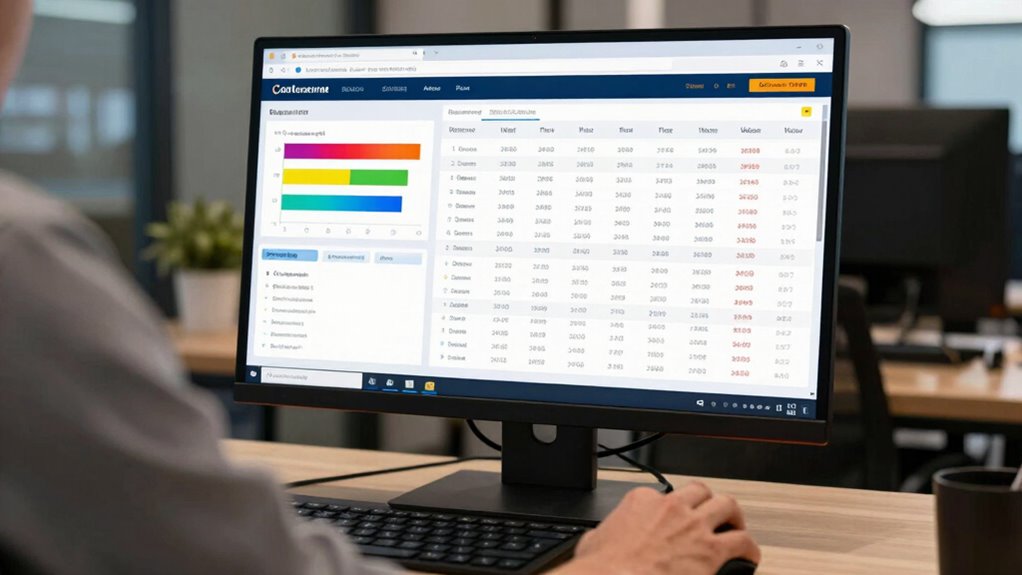
Understanding how payout scheduling works is vital for platforms and marketplaces to maintain smooth operations and build trust with their users. When you manage transactions, the timing of when funds are released plays a pivotal role in keeping everyone satisfied and the system running efficiently. Payout scheduling determines the transaction timing, which is how and when your platform releases payments to sellers, vendors, or service providers. It’s not just about moving money; it’s about creating predictable and reliable payment cycles that users can depend on. If these cycles are inconsistent or confusing, users might lose confidence in your platform, or you could face operational hiccups that disrupt your business flow.
Most platforms implement payment cycles—regular intervals like weekly, bi-weekly, or monthly—so users know when to expect their earnings. These cycles help establish a rhythm for payout processing, making transaction timing predictable. When you set up payment cycles, you’re fundamentally defining the rhythm of your payout schedule, which impacts how quickly your users get paid after a transaction. For example, if you choose a weekly payout cycle, you might process all transactions completed within the week and disburse funds at a set time, such as every Monday. This consistency helps users plan their finances and builds trust in your platform’s reliability.
Payment cycles like weekly or monthly create predictable, reliable payout schedules that build user trust and facilitate financial planning.
Beyond choosing payment cycles, you also need to contemplate how transaction timing influences payout schedules. Sometimes, platforms set a hold period—delays between a transaction and the payout—to ensure quality control, prevent fraud, or verify transactions. This delay impacts the overall transaction timing and, consequently, when users receive their funds. If your platform handles high-risk transactions, you might implement longer hold periods, which can affect user satisfaction if not communicated clearly. Conversely, shorter hold periods can be advantageous but might increase your exposure to disputes or chargebacks. Incorporating effective requirements traceability into your processes can also improve transparency and compliance, fostering user confidence. Recognizing the importance of transaction timing and how it integrates with payout scheduling helps optimize your operational efficiency and user trust.
Effective payout scheduling balances operational needs with user expectations. You want to process payments swiftly enough to keep your users happy but also allow enough time for transaction verification and risk management. Clarity is key—make sure your users understand your payment cycles and when to expect their payouts. Transparency about transaction timing and payout intervals builds trust and reduces confusion or frustration. Moreover, aligning your payout schedule with industry best practices can enhance overall efficiency and user satisfaction. Ultimately, a well-designed payout schedule aligns your platform’s operational capabilities with your users’ financial needs, creating a seamless experience that encourages ongoing engagement and loyalty.
payout schedule management software
As an affiliate, we earn on qualifying purchases.
As an affiliate, we earn on qualifying purchases.
Frequently Asked Questions
How Do Payout Delays Affect Seller Trust and Platform Reputation?
Payout delays can substantially harm your trust impact, making sellers feel uncertain about your platform’s reliability. When payments are delayed, sellers might doubt your credibility, leading to dissatisfaction and decreased loyalty. Over time, these issues can cause reputation consequences, as sellers share negative experiences. To maintain a strong reputation, it’s essential to guarantee timely payouts, showing sellers you value transparency and dependability, ultimately fostering long-term trust.
Can Sellers Customize Their Payout Schedules?
Yes, sellers can often customize their payout schedules, depending on the platform’s policies. Payout customization offers scheduling flexibility, allowing you to choose when you receive your earnings. This feature helps you manage cash flow better and reduce delays. Keep in mind, some platforms might have restrictions or require certain account statuses for payout customization. Always check the platform’s specific rules to verify you can tailor your payout schedule effectively.
What Security Measures Protect Payout Transactions?
You’re protected by robust security measures like transaction encryption, which keeps your payout information safe from hackers. Platforms also implement fraud prevention techniques to detect and stop suspicious activities before they impact your transactions. These safeguards guarantee your payout transactions remain secure, giving you peace of mind that your funds are protected during every transfer. Rest assured, your financial data is handled with industry-standard security protocols.
How Are Payout Disputes Resolved on Platforms?
When a payout dispute arises, you’ll typically go through a dispute resolution process outlined in the platform’s payout policies. You should submit your claim with relevant details, and the platform’s support team reviews the case. They evaluate evidence from both parties, ensuring a fair resolution. Most platforms aim for transparent communication, helping you resolve payout issues quickly and efficiently, so you can continue focusing on your business.
Are There Penalties for Missed or Delayed Payouts?
Yes, there are penalties for missed or delayed payouts. Payout timing is essential, and platforms enforce penalty policies to guarantee timely payments. When you miss a payout, you might face fees, delays, or account holds. To avoid penalties, stay aware of payout schedules, meet all requirements, and promptly resolve any issues. Consistent, on-time payouts safeguard your reputation and keep your account in good standing.
platform payout cycle calculator
As an affiliate, we earn on qualifying purchases.
As an affiliate, we earn on qualifying purchases.
Conclusion
Understanding payout scheduling isn’t just about timelines; it’s about aligning your expectations with the platform’s rhythm. When you grasp how these processes work, you can better plan your finances and avoid surprises—almost like a coincidence that everything falls into place just when you need it. Keep an eye on payment schedules, stay organized, and you’ll find that the flow of funds becomes a seamless part of your marketplace journey, almost effortlessly.
transaction hold period monitoring tools
As an affiliate, we earn on qualifying purchases.
As an affiliate, we earn on qualifying purchases.
payment processing and payout tools
As an affiliate, we earn on qualifying purchases.
As an affiliate, we earn on qualifying purchases.
Fall Picks
fall essentials
As an affiliate, we earn on qualifying purchases.